















Vitamins are essential substances that the human body needs for survival and proper functioning. They play a crucial role in many biological processes such as metabolism, immune function, growth, and overall health. Without sufficient vitamins, the body cannot function normally, and various health problems may arise. Therefore, it is important to consume high-quality foods rich in vitamins or to take dietary supplements if needed. But which vitamins are essential, and what should we know about them?
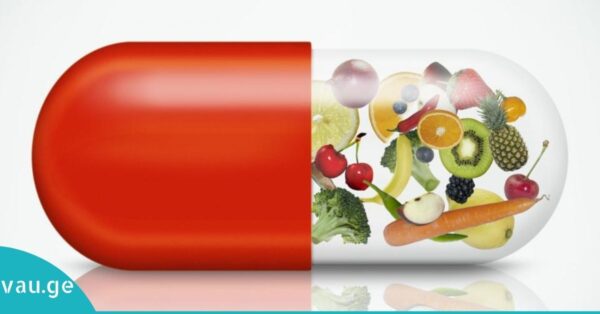
In this article, we will discuss the most important vitamins, their benefits, and the foods that contain them. We will also explain why it is better to get vitamins naturally through food rather than relying only on pills and supplements. By the end of this article, you will have a clear understanding of how to provide your body with the necessary vitamins in a simple, healthy, and natural way.
What Are Vitamins and Why Are They Important?
Vitamins are organic compounds that the body needs in small amounts for normal growth, metabolism, and overall health. Unlike carbohydrates, proteins, and fats, vitamins do not provide energy directly. Instead, they help regulate the body’s chemical reactions and support essential functions such as:
Immune system support
Healthy skin and hair
Strong bones and teeth
Proper functioning of the nervous system
Energy production
Protection against oxidative stress
Normal blood clotting
Many vitamins cannot be produced by the body in sufficient amounts, which means they must be obtained through food or supplements. For this reason, a balanced diet rich in fruits, vegetables, dairy, meat, and grains is essential for maintaining good health.
Vitamin A: A Powerful Antioxidant
Vitamin A is known as a strong antioxidant. Antioxidants help the body fight free radicals—unstable molecules that can damage cells and lead to various diseases, including cancer. Vitamin A is especially important for:
Healthy vision
Normal growth and development
Immune system function
Healthy skin and mucous membranes
In the human body, vitamin A is converted into beta-carotene, which is necessary for the health of organs and tissues. Beta-carotene is also found in many colorful fruits and vegetables, and it is especially important for protecting the body from oxidative stress.
Foods rich in Vitamin A:
Carrots
Citrus fruits
Butter
Cheese
Eggs
B Vitamins: The Energy and Metabolism Group
B vitamins are water-soluble and play a major role in cell metabolism. They help convert carbohydrates, fats, and proteins into energy, which is necessary for the normal functioning of the body. The B vitamin group includes several essential vitamins, each with its own functions and benefits.
Vitamin B1 (Thiamine)
Vitamin B1 helps improve mental performance and supports the normal function of the nervous system and heart. It also plays a role in converting carbohydrates, fats, and proteins into energy.
Benefits of Vitamin B1:
Improves cognitive function
Supports the nervous system
Supports heart health
Helps convert food into energy
Foods rich in Vitamin B1:
Liver
Pork
Grains
Nuts
Wheat
Peanuts
Vegetables
Vitamin B2 (Riboflavin)
Vitamin B2 participates in all metabolic processes. It is essential for maintaining healthy skin, vision, and hemoglobin production.
Benefits of Vitamin B2:
Supports healthy skin
Supports vision
Helps produce hemoglobin
Supports overall metabolism
Foods rich in Vitamin B2:
Wheat germ
Soy
Broccoli
Liver
Egg yolk
Cheese
Vitamin D: The Bone and Immune Vitamin
Vitamin D helps the body absorb calcium and phosphorus, which are essential for strong bones and teeth. It also supports the absorption of iron, magnesium, phosphate, and zinc. Vitamin D is especially important during the cold season when the body needs extra support to fight infections.
Benefits of Vitamin D:
Supports bone health
Helps calcium absorption
Supports the immune system
Helps prevent weak bones and fractures
During cold seasons or when the body is fighting a cold, you can take vitamin D together with vitamins A and C to strengthen your immune system.
Foods rich in Vitamin D:
Milk
Eggs
Fatty fish (salmon, tuna, sardines)
Vitamin E: An Important Antioxidant
Vitamin E is an antioxidant that protects the body from oxidative stress. It helps prevent the oxidation of proteins, nucleic acids, and steroids. This vitamin is important for maintaining healthy cells and protecting them from damage.
Benefits of Vitamin E:
Protects cells from damage
Supports immune system
Supports healthy skin
Helps prevent oxidative stress
Foods rich in Vitamin E:
Corn
Sunflower seeds
Olive oil
Barley
Vitamin K: Essential for Blood Clotting
Vitamin K is necessary for blood clotting and bone health. It helps the body form blood clots and prevents excessive bleeding. It is also important for bone health and helps regulate calcium in the body.
Foods rich in Vitamin K:
Green leafy vegetables
Spinach
Brussels sprouts
Potatoes
Cauliflower
Whole grains
Other Important B Vitamins
Vitamin PP (Niacin)
Vitamin PP is important for the nervous system and digestion. It helps the body convert food into energy and supports healthy skin.
Foods rich in Vitamin PP:
Green vegetables
Nuts
Whole grains
Yeast
Meat
Fish
Milk and cheese
Vitamin B5 (Pantothenic Acid)
Vitamin B5 is essential for producing energy and synthesizing fatty acids. It supports healthy skin and helps the body produce hormones.
Foods rich in Vitamin B5:
Yeast
Legumes
Mushrooms
Rice
Liver
Meat by-products
Vitamin B6
Vitamin B6 supports the nervous system and helps produce neurotransmitters. It also helps the body produce red blood cells.
Foods rich in Vitamin B6:
Green leafy vegetables
Meat
Liver
Fish
Milk
Eggs
Vitamin B9 (Folate)
Vitamin B9 is important for cell growth and DNA synthesis. It is especially important for pregnant women because it helps prevent birth defects.
Foods rich in Vitamin B9:
Nuts
Green leafy vegetables
Beans
Bananas
Oranges
Eggs
Organ meat
Vitamin B12
Vitamin B12 is essential for the nervous system and the production of red blood cells. It is especially important for people who follow a vegetarian or vegan diet because it is mainly found in animal products.
Foods rich in Vitamin B12:
Yeast
Seaweed
Liver
Fish
Eggs
Cheese
Milk
Cottage cheese
Meat
Vitamin H (Biotin)
Vitamin H is important for healthy hair, skin, and nails. It also supports metabolism and helps convert food into energy.
Foods rich in Vitamin H:
Egg yolk
Liver
Beta-Carotene: The Precursor to Vitamin A
Beta-carotene is a powerful antioxidant that the body converts into vitamin A. It is essential for maintaining healthy vision and protecting the body from oxidative stress.
Foods rich in Beta-Carotene:
Carrots
Parsley
Spinach
Spring greens
Melon
Tomatoes
Pumpkin
Broccoli
Apricots
Why Natural Vitamins Are Better Than Pills
Many people rely on vitamin pills because they think it is easier. However, taking vitamins naturally through food is safer and more effective. Foods contain not only vitamins but also minerals, enzymes, and antioxidants that help the body absorb and use the vitamins properly. Natural vitamins are also balanced, which reduces the risk of overdose or vitamin imbalance.
Here are some reasons why natural vitamins are better:
Better absorption:
Natural foods contain enzymes and nutrients that help the body absorb vitamins more effectively.
Balanced nutrients:
Foods provide the correct balance of vitamins and minerals, which helps the body use them properly.
Lower risk of overdose:
Taking too many vitamin pills can cause side effects, but natural foods rarely cause overdose.
Additional health benefits:
Foods rich in vitamins also contain fiber, antioxidants, and other nutrients that support overall health.
How to Get Enough Vitamins Daily
To improve your health and maintain energy, include a variety of vitamin-rich foods in your daily diet. Here are simple tips:
Eat fruits and vegetables daily:
Include a variety of colors to get different vitamins.
Add dairy products:
Milk, cheese, and yogurt provide vitamins D, A, and B.
Include protein:
Meat, fish, eggs, and legumes provide essential B vitamins.
Use healthy oils:
Olive oil and sunflower seeds provide vitamin E.
Eat whole grains:
Whole grains provide B vitamins and fiber.
Conclusion
If you want to maintain good health, increase your energy, and protect your body from diseases, do not rely only on vitamin pills. Choose natural foods rich in essential vitamins and use supplements only when necessary. A balanced diet is the key to health, and natural vitamins are the best way to achieve it.








































