

Thyroid disorders have recently become a significant health concern among people in Georgia—just as they are in many parts of the world. One well-known thyroid condition is a goiter, which means an enlarged thyroid gland. The enlargement may be diffuse, affecting the entire gland, nodular, involving discrete lumps, or mixed, having both widespread enlargement and nodules.
Common Misconceptions About Thyroid Disease
A mistake often made is calling any thyroid disorder a “goiter.” However, that term refers only to visible or palpable enlargement of the gland. Not all thyroid conditions involve swelling. While goiter may result from such disorders, it is incorrect to label all thyroid issues as goiter. The main cause remains iodine deficiency, but other contributing factors include:
Genetic or congenital defects in hormone synthesis
Ethnic or hereditary predisposition
Chronic stress and environmental or lifestyle triggers (like smoking)
Types of Thyroid Conditions and Their Prevalence
1. Subclinical Hyperthyroidism
“Subclinical” means it presents without obvious symptoms. Diagnosis is only possible through monitoring hormone levels in the blood. This condition is commonly found in older women, especially those between ages 30 and 50. Women in this age group are 8–10 times more likely to develop thyroid problems than men.
Symptoms to watch for (when clinical hyperthyroidism progresses):
Rapid heartbeat or heart palpitations
Elevated blood pressure
Unexplained weight loss
Overheating and intolerance to warm environments
Sub-febrile body temperature in the evenings
Anxiety, irritability, or restlessness
Fatigue and inner trembling
Muscle weakness and joint pain
Digestive disruptions, such as diarrhea
Menstrual irregularities
2. Autoimmune Thyroiditis (Hashimoto’s Disease)
This is the most common cause of hypothyroidism (underactive thyroid). It is an organ-specific autoimmune disorder linked to a genetic predisposition activated by environmental factors. Often, patients do not exhibit clear clinical signs of thyroid dysfunction (euthyroidism).
3. Nodular Goiter
Nodules within the thyroid often cause alarm due to their association with surgery or cancer risk. While nodular goiter is common, especially among women, older adults, and inhabitants of iodine-deficient regions, having nodules is not inherently dangerous. Many are benign and manageable with monitoring. Risk factors include:
Smoking
Obesity
Exposure to environmental radiation (e.g., from certain tanning equipment)
Poor environmental quality and lack of clean food and water
Holistic Tips for Thyroid Health
Here are lifestyle-based strategies that support thyroid function:
Reduce weight and quit smoking—both are risk factors for thyroid disease.
Avoid unnecessary UV tanning, as UV exposure can raise thyroid pathology risks.
Switch to clean, organic foods and pure water—a simple but essential measure for thyroid and overall metabolic health.
Consider using amber necklaces (Amber neck beads), which some traditional practices believe can help with neck and gland warmth or comfort—though more research is needed.
A Traditional Remedy Using Nutmeg (Myristica fragrans)
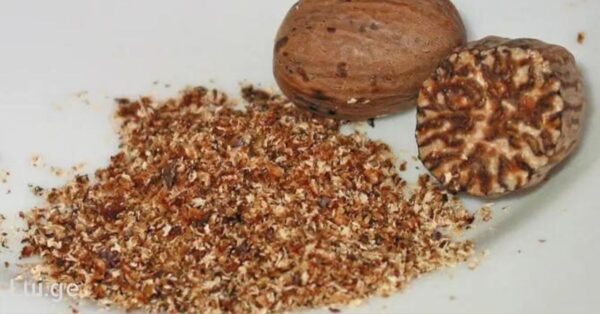
A folk remedy many Georgian families know involves nutmeg (also known as muscat or javz). This has been passed down through generations and tested personally by many for thyroid enlargement and nodules. It may offer symptomatic relief and support, though it does not replace medical evaluation.
How to Prepare Nutmeg Tincture:
Ingredients:
3–5 whole nutmeg seeds (about 15 grams total)
0.5 liters (approximately 2 cups) of high-proof alcohol (vodka or grain spirit)
Instructions:
Grate or chop the nutmeg seeds finely to increase surface area.
Place them in a clean, dark glass jar.
Pour in the alcohol so that the nutmeg is fully submerged.
Seal the jar and store it in a cool, dark place for 10 days.
After 10 days, strain out the solids.
Transfer the tincture to a dark glass bottle for storage.
Usage:
Take 1 tablespoon each morning on an empty stomach or split into morning and evening doses. After a full course, take a 10-day break, then restart if needed. It’s practical to prepare a new batch before your current supply runs out.
Nutmeg tincture has traditionally been used to:
Improve digestion
Calm nerves
Support thyroid tissue metabolism
Reduce gland tension or discomfort (though scientific evidence is limited)
Important Note: Its effects should be evaluated with follow-up imaging (like an ultrasound) and tracked according to how you feel. Some respond after just one cycle, while others may need multiple courses.
Merging Traditional and Medical Care
Both modern medicine and traditional remedies can be valuable when combined thoughtfully:
Use ultrasound and hormone labs (TSH, T3, T4, antibodies) to monitor changes during treatment.
Listen to your body—track symptom improvements or side effects.
Reassess regularly with your doctor before continuing additional tincture cycles.
Maintain holistic habits—healthy diet, stress management, gentle exercise, and environmental mindfulness (like limiting chemicals or radiation exposure).
Amber necklaces are often worn near the thyroid area in folk traditions, believed to emit gentle warmth and comfort. While scientific backing is scarce, many swear by their soothing, calming effect.
Summary Table
Thyroid Condition Common Causes / Risk Factors Traditional Remedies Recommended Lifestyle Support
Goiter (Diffuse/Nodular) Iodine deficiency, genetic predisposition Nutmeg tincture (with breaks) Clean diet, quit smoking, exercise
Subclinical Hyperthyroidism Hormonal imbalance, stress Nutmeg + healthy lifestyle Test TSH/T3/T4, monitor symptoms
Autoimmune Thyroiditis (Hashimoto’s) Autoimmune, multi-factorial Nutmeg ok as complementary remedy Blood tests, sometimes hormone treatment
Nodular Goiter Iodine deficiency, toxins, radiation Nutmeg + monitor via ultrasound Avoid excess radiation, eat nutrient-rich diet
Final Thoughts
Putting faith in folk and herbal medicine does not mean ignoring modern medical wisdom. Many traditional remedies—like nutmeg tincture—serve as supportive tools that may ease discomfort and nourish the body. But progress should always be verified by clinical evaluation.
If you’d like more traditional recipes or European/Georgian herbal traditions, I can help tailor them for your wellness goals.