















We all know that fruits and vegetables contain essential nutrients and vitamins that are necessary for maintaining good health, and that regular consumption of them is highly recommended. A balanced diet rich in plant-based foods supports the immune system, promotes healthy digestion, helps regulate body weight, and reduces the risk of many chronic diseases. However, certain fruits and vegetables stand out because of their especially powerful properties. They contain higher concentrations of specific antioxidants, phytochemicals, vitamins, and minerals that play a particularly important role in protecting the body against cellular damage. According to numerous scientific studies, some varieties have been identified as especially beneficial not only for overall well-being but also for their potential role in cancer prevention.
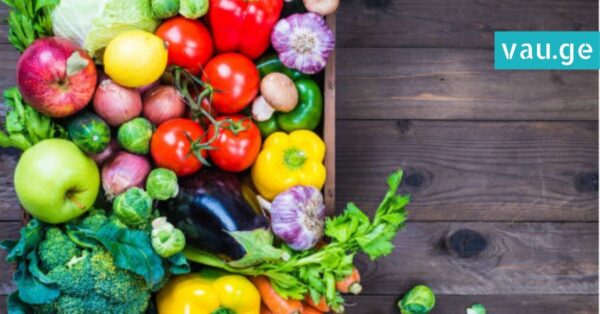
Cancer develops when abnormal cells grow uncontrollably, often as a result of genetic mutations triggered by oxidative stress, inflammation, or exposure to harmful substances. Antioxidants and bioactive compounds found in plant foods help neutralize free radicals, reduce inflammation, and support the body’s natural defense and detoxification systems. While no single food can completely prevent cancer, incorporating a wide variety of nutrient-dense fruits and vegetables into your daily diet may significantly lower the risk. Below are several particularly noteworthy examples.
Tomatoes
Tomatoes are among the most widely studied foods in relation to cancer prevention. They are especially rich in lycopene, a powerful red pigment belonging to the carotenoid family. Lycopene is a potent antioxidant that helps protect cells from oxidative damage caused by free radicals. Research suggests that higher lycopene intake is associated with a reduced risk of certain cancers, particularly prostate cancer. Some studies also indicate possible protective effects against lung and stomach cancers.
Interestingly, lycopene becomes even more bioavailable when tomatoes are cooked. This means that tomato sauce, tomato paste, and cooked tomato-based dishes may provide more absorbable lycopene than raw tomatoes. Additionally, consuming tomatoes with a small amount of healthy fat, such as olive oil, enhances lycopene absorption. Beyond lycopene, tomatoes contain vitamin C, potassium, folate, and vitamin K, all of which contribute to overall health.
Watermelon
Similar to tomatoes, watermelon is also a rich source of lycopene. Its bright red flesh indicates the presence of this valuable antioxidant. Although watermelon is often thought of simply as a refreshing summer fruit, it provides more than hydration. It contains vitamin C, vitamin A (in the form of beta-carotene), and various phytonutrients that support immune function and reduce oxidative stress.
Because watermelon has a high water content, it also helps maintain proper hydration, which is important for overall cellular function and detoxification processes in the body. Regular consumption of lycopene-rich foods like watermelon may contribute to lowering inflammation and protecting against certain types of cancer, especially those linked to oxidative damage.
Oranges
Oranges are well known for their high vitamin C content. Vitamin C is a powerful antioxidant that plays a crucial role in immune defense and tissue repair. Research indicates that adequate vitamin C intake may significantly reduce the risk of cancers of the esophagus and stomach. One of its important functions is neutralizing harmful compounds known as nitrosamines, which can form in the digestive tract and are associated with cancer development.
In addition to vitamin C, oranges contain flavonoids such as hesperidin and naringenin, which have anti-inflammatory and antioxidant properties. The fiber in oranges also supports digestive health and promotes the growth of beneficial gut bacteria. A healthy gut microbiome is increasingly recognized as an important factor in cancer prevention and overall immunity.
Bell Peppers
Bell peppers, especially the brightly colored varieties, are another excellent source of vitamin C. In fact, yellow and red bell peppers often contain even more vitamin C than oranges. Among bell peppers, yellow varieties typically have the highest concentration of vitamin C, while green peppers contain slightly less because they are harvested earlier in the ripening process.
Vitamin C not only strengthens the immune system but also supports collagen production, protects cells from oxidative stress, and enhances iron absorption. Bell peppers are also rich in carotenoids such as beta-carotene, lutein, and zeaxanthin. These compounds have been studied for their potential role in reducing the risk of various cancers by protecting cells from DNA damage and supporting healthy cell communication.
Brussels Sprouts
Cruciferous vegetables are widely recognized as some of the best foods for cancer prevention. Brussels sprouts belong to this family, which also includes broccoli, cauliflower, cabbage, and kale. These vegetables are unique because they contain sulfur-containing compounds called glucosinolates. When chewed or chopped, glucosinolates break down into biologically active compounds such as sulforaphane and indole-3-carbinol.
These substances have been shown in laboratory studies to support detoxification enzymes in the liver, reduce inflammation, and help eliminate potential carcinogens from the body. They may also influence hormone metabolism and slow the growth of certain cancer cells. Brussels sprouts are also rich in fiber, vitamin C, vitamin K, and folate, all of which contribute to overall health and disease prevention.
White Grapefruit
White grapefruit is another fruit with impressive antioxidant properties. It contains approximately 1.7 micrograms of selenium, an essential trace mineral that plays a key role in the body’s antioxidant defense system. Selenium is a component of enzymes that protect cells from oxidative damage and support immune function.
In addition to selenium, white grapefruit contains vitamin C and beta-carotene, both known for their strong antioxidant effects. Regular consumption of citrus fruits like grapefruit may help reduce inflammation and lower the risk of certain cancers. However, it is important to note that grapefruit can interact with certain medications, so individuals taking prescription drugs should consult a healthcare professional before consuming it frequently.
Spinach
Spinach is a leafy green vegetable packed with nutrients that are beneficial for cancer prevention. It contains selenium and carotenoids, both of which are important in protecting cells from damage. Carotenoids such as lutein and beta-carotene act as antioxidants and may reduce the risk of certain cancers, particularly those affecting the lungs and digestive system.
Spinach is also rich in folate, iron, magnesium, and vitamin K. Folate plays a critical role in DNA synthesis and repair, which is essential for preventing mutations that can lead to cancer. Additionally, spinach contains chlorophyll, a natural pigment that may help block the absorption of some carcinogens in the digestive tract.
The Importance of Variety
While each of these fruits and vegetables offers unique protective compounds, it is important to emphasize that no single food can guarantee cancer prevention. The most effective approach is consuming a diverse range of colorful plant foods every day. Different colors in fruits and vegetables often indicate different beneficial phytochemicals. For example, red foods tend to be rich in lycopene, orange and yellow foods contain beta-carotene, and dark green vegetables provide chlorophyll and folate.
Combining these foods as part of a balanced diet that also includes whole grains, legumes, nuts, seeds, and healthy fats further enhances their protective effects. In addition to diet, maintaining a healthy weight, engaging in regular physical activity, avoiding tobacco, and limiting alcohol consumption are equally important strategies for reducing cancer risk.
In conclusion, tomatoes, watermelon, oranges, bell peppers, Brussels sprouts, white grapefruit, and spinach are among the fruits and vegetables identified as especially beneficial for cancer prevention due to their high levels of antioxidants, vitamins, minerals, and phytochemicals. Including these nutrient-rich foods regularly in your diet can support your body’s natural defense systems, reduce oxidative stress, and contribute to long-term health and well-being.








































