














Don’t Throw Away Used Coffee Grounds – Here’s How to Reuse Them in Smart and Practical Ways

Most of us enjoy at least one cup of coffee every day, and millions of people around the world do the same. After brewing, the leftover grounds almost always end up in the trash. This waste eventually finds its way into landfills, where it contributes to environmental pollution and creates additional disposal problems. Yet, few people realize that used coffee grounds are far from useless. In fact, they are packed with nutrients, natural compounds, and properties that make them extremely valuable for both household and gardening purposes.
Instead of throwing them away, you can put your coffee grounds to work in several creative and highly beneficial ways. From gardening to pest control, and even home improvement, this simple by-product of your daily cup can become an eco-friendly solution to many problems. Let’s explore the most effective and practical uses of coffee grounds in greater detail.
1. Coffee Grounds as a Natural Fertilizer
One of the most remarkable benefits of coffee grounds is their ability to act as a natural fertilizer for plants. Coffee contains nitrogen, which is a vital nutrient for plant growth. When coffee grounds are mixed into the soil, they enrich it by releasing nitrogen, potassium, and a variety of other trace minerals. These elements are essential for maintaining healthy plant development.
Additionally, the organic matter in coffee grounds improves soil texture, helping it retain moisture while also enhancing aeration. This creates a more balanced environment for plant roots. Perhaps even more importantly, coffee grounds support the growth of beneficial microorganisms in the soil. These microbes break down organic matter, releasing nutrients that plants can easily absorb.
For gardeners, sprinkling used coffee grounds directly onto flower beds, vegetable patches, or even potted plants can bring visible improvements. Roses, hydrangeas, azaleas, and camellias are just a few examples of plants that thrive with the slightly acidic conditions that coffee grounds help create. Instead of relying solely on commercial fertilizers, consider using your leftover grounds as a free, natural alternative.
2. Coffee Grounds in Composting
If you maintain a compost bin, coffee grounds are a perfect addition. Composting works best when it contains a balanced mixture of “greens” (nitrogen-rich material) and “browns” (carbon-rich material). Coffee grounds fall into the green category because of their high nitrogen content.
When added to compost, coffee grounds supply the energy that composting bacteria need to break down organic matter more efficiently. This accelerates the composting process, ensuring that your kitchen scraps, yard waste, and other biodegradable materials decompose faster. The end result is a nutrient-rich compost that can be applied back to your garden.
Another significant benefit is that coffee grounds help eliminate unpleasant odors that sometimes develop in compost bins. Their natural aroma masks foul smells, creating a more pleasant composting experience. So the next time you brew coffee, simply toss the leftover grounds into your compost bin rather than into the trash. Over time, you’ll notice richer compost and healthier plants.
3. Coffee Grounds as Natural Pest Control
Another fascinating use of coffee grounds is their ability to repel pests and insects. Mosquitoes, ants, and certain other bugs dislike the strong, sharp aroma of coffee. This makes coffee grounds a simple yet effective method of pest control around your home and garden.
To repel mosquitoes, sprinkle dried coffee grounds around outdoor seating areas, patios, or anywhere mosquitoes tend to gather. If your garden or yard contains standing water sources where mosquito larvae may thrive, adding coffee grounds to the water can interfere with their life cycle and reduce the number of mosquitoes in the area.
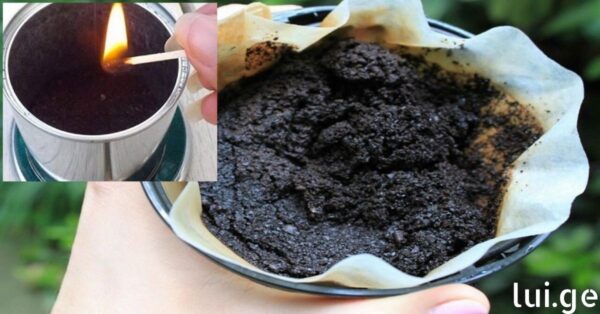
For even stronger results, you can burn dried coffee grounds in a heat-safe container. The smoke acts as a natural mosquito repellent, driving them away without the need for chemical sprays. Additionally, coffee grounds can be mixed with hot water, placed in a spray bottle, and applied to plants, doorways, and windows to keep insects at bay.
In this way, coffee grounds become not only a safe but also an eco-friendly alternative to synthetic insecticides. They help you protect your family and your garden without introducing harmful chemicals into your living space.
4. Coffee Grounds as a Natural Wood Stain
Beyond gardening and pest control, coffee grounds can also play a role in home improvement. Surprisingly, they make an excellent, natural wood stain. If you want to give wooden furniture, small wooden crafts, or even picture frames a rich, organic color, coffee grounds are an affordable and eco-conscious option.
The process is straightforward. Start by collecting a sufficient amount of used coffee grounds in a container. Add boiling water and allow the mixture to steep for at least two hours, or even overnight for a stronger concentration. Once ready, strain the liquid into a separate container, dip a paintbrush or cloth into it, and begin applying the stain to the wood surface.
After the first coat, allow the wood to sit for about ten minutes before applying another layer. This method provides a warm, natural tone that enhances the grain of the wood. If you desire a darker shade, you can rub the grounds directly onto the wood in addition to applying the liquid stain. Not only is this method cost-free, but it also avoids the use of harsh chemical-based stains, making it a healthier choice for indoor projects.
Additional Creative Uses of Coffee Grounds
While the four main applications above are the most popular, coffee grounds can be used in many other ways:
Deodorizer: Place dried grounds in a small bowl in your refrigerator or freezer to neutralize unwanted odors.
Natural Scrub: Their coarse texture makes coffee grounds ideal as an exfoliant for skin or as a gentle abrasive cleaner for pots, pans, and sinks.
Pet Care: Sprinkling coffee grounds on pets’ fur (in small amounts) has been traditionally used to repel fleas.
Crafting & DIY: Coffee grounds can be incorporated into homemade candles, soaps, or even natural dyes for fabrics and paper.
Why You Should Start Reusing Coffee Grounds Today
Throwing away used coffee grounds may seem harmless, but when multiplied by millions of households, the amount of waste becomes staggering. By reusing them in the ways described above, you not only save money but also contribute to a healthier environment. Coffee grounds offer an endless list of benefits: enriching your garden, speeding up composting, repelling pests, enhancing home projects, and even supporting creative hobbies.
So, the next time you make your morning coffee, think twice before tossing the grounds into the trash. Instead, put them to good use, and you’ll quickly discover how something so simple can make a surprisingly big difference.








































