




Millions of people use antibacterial soap every single day, believing that it offers extra protection against germs and keeps their families safer. For many consumers, the word “antibacterial” sounds reassuring. It suggests stronger hygiene, better prevention of illness, and a cleaner home environment. However, concerns have been raised over the years about one particular ingredient commonly found in many antibacterial soaps: triclosan.
Triclosan is a synthetic antimicrobial chemical that was widely added to soaps, hand washes, toothpaste, cosmetics, kitchenware, and even some textiles. For decades, it was marketed as an effective way to kill bacteria and reduce the spread of infectious diseases. Yet scientific research has gradually begun to question both its safety and its overall effectiveness.
In June 2014, a study conducted by researchers and published in the Proceedings of the National Academy of Sciences reported concerning findings regarding triclosan’s effects on laboratory animals. According to the study, triclosan disrupted the chemical balance in the livers of laboratory mice. Researchers observed that prolonged exposure to triclosan appeared to interfere with normal liver function and altered important metabolic pathways.
In the experiment, mice that were exposed to triclosan for six months developed significantly more liver tumors compared to mice that were not exposed to the chemical. The findings suggested that long-term exposure could promote liver tumor formation in these animals. Scientists involved in the project proposed that triclosan may contribute to liver cell mutation and fibrosis — a condition characterized by excessive scar tissue formation in the liver. Fibrosis can impair normal liver function and, over time, may increase the risk of serious liver disease.
The researchers explained that triclosan seemed to act as a “tumor promoter” in mice, meaning that while it might not directly cause cancer on its own, it could enhance the development of tumors under certain conditions. The chemical appeared to trigger cellular stress responses in the liver and interfere with detoxification processes that are essential for maintaining healthy organ function.
Although these findings were observed in mice, and animal studies do not always translate directly to humans, they raised important questions about the long-term safety of frequent triclosan exposure. The liver plays a central role in detoxifying harmful substances in the body. Any compound that disrupts its balance or causes cellular damage deserves careful scrutiny.
In addition to potential liver-related risks, other concerns about triclosan have emerged over the years. Some studies have suggested that triclosan may disrupt hormone regulation. It has been investigated for possible effects on thyroid hormones and other endocrine functions. Hormonal balance is crucial for metabolism, growth, reproduction, and overall well-being. Even subtle disruptions over time could potentially have broader health consequences.
There are also environmental concerns. Triclosan does not easily break down after being washed down the drain. It can accumulate in waterways and affect aquatic life. Researchers have detected triclosan residues in rivers, lakes, and even in the tissues of some fish species. Environmental exposure raises further questions about its long-term ecological impact.
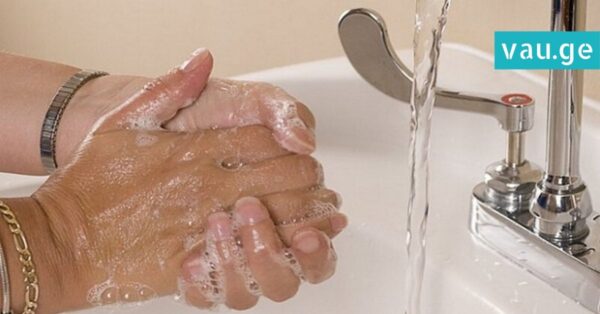
Another key issue raised by experts is whether antibacterial soaps containing triclosan are actually more effective than regular soap and water. Colin Rogers, a microbiologist, has argued that when it comes to preventing common illnesses in everyday settings, antibacterial soap is not significantly more effective than plain soap. The mechanical action of washing hands with regular soap and water — rubbing for at least 20 seconds and rinsing thoroughly — is generally sufficient to remove germs and reduce the spread of infection.
Health authorities in several countries have reviewed the available evidence and concluded that there is no clear advantage to using triclosan-containing soaps over traditional soap for routine handwashing at home. In fact, in 2016, the U.S. Food and Drug Administration (FDA) banned the use of triclosan and several other antibacterial ingredients in over-the-counter consumer hand soaps, citing insufficient evidence of safety and effectiveness for long-term daily use. Manufacturers were required to either remove triclosan from their products or provide additional safety data.
It is important to emphasize that not all products labeled “antibacterial” still contain triclosan, as many companies have reformulated their products in response to regulatory changes and public concern. Nevertheless, some personal care and household products in certain markets may still include it or similar compounds. This is why reading ingredient labels carefully is essential.
The debate surrounding triclosan highlights a broader issue: not all products marketed as “stronger” or “more protective” are necessarily better for long-term health. Sometimes, simple and time-tested methods — such as washing hands thoroughly with plain soap and water — are both effective and safer.
When evaluating potential health risks, context matters. The animal study results do not automatically mean that triclosan causes liver cancer in humans. Human exposure levels, metabolic differences, and real-world usage patterns differ from controlled laboratory conditions. However, the findings serve as a warning sign that encourages further research and precaution.
Public health decisions often rely on the principle of minimizing unnecessary exposure to substances that may pose risks, especially when safer alternatives exist. If regular soap provides the same protective benefit without the added chemical exposure, many experts argue that it is the more разумed choice for everyday hygiene.
Consumers can take several simple steps to protect themselves:
Check product labels for triclosan or other antibacterial additives.
Choose plain soap and water for routine handwashing.
Use alcohol-based hand sanitizers (with at least 60% alcohol) when soap and water are not available.
Avoid overusing antibacterial products unless specifically recommended in medical settings.
Medical environments, such as hospitals, may require specialized disinfectants for infection control. However, for typical household use, the evidence does not strongly support the superiority of triclosan-based soaps.
So, when considering your health and the health of your family, it is worth thinking carefully about the products you use daily. Marketing claims can sometimes create a false sense of security. Scientific evidence should guide decisions, especially when it concerns substances that may accumulate in the body over time.
In conclusion, while millions of people have used antibacterial soaps believing they offer enhanced protection, research has raised legitimate concerns about triclosan’s potential effects on the liver and overall health. Animal studies have linked prolonged exposure to liver chemical imbalance, increased tumor formation, and possible cellular mutations. Experts also question whether antibacterial soap is more effective than regular soap in preventing disease.
Therefore, it is wise to reflect on your personal health choices. Opting for simple, well-established hygiene practices may be both safer and just as effective. Awareness and informed decision-making are key. Everyone deserves access to accurate information so they can make the best choices for their well-being.