












Almost everyone has experienced swelling at some point in their lives. This condition, often uncomfortable and sometimes painful, occurs due to the accumulation of excess fluid in the body. Swelling can affect different parts of the body, such as the legs, hands, face, or abdomen, and it is usually a sign that your body is retaining more water than necessary. While mild swelling is often temporary and harmless, persistent or severe swelling can indicate underlying health issues such as kidney problems, heart disease, or hormonal imbalances.
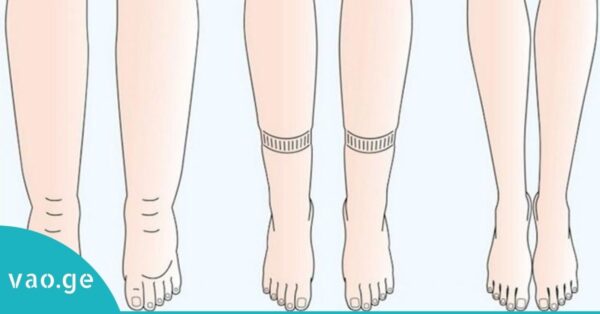
The good news is that there are many natural ways to help reduce fluid retention and alleviate swelling. By incorporating certain foods, nutrients, and lifestyle habits into your daily routine, you can effectively manage water retention. Here, we present nine of the most effective methods to combat swelling. Pay attention to each tip and integrate them gradually into your lifestyle for best results.
1. Monitor Your Daily Water Intake
It may seem counterintuitive, but drinking the right amount of water is essential to preventing fluid retention. When the body is dehydrated, it tends to hold onto the water it has, leading to swelling. Calculating your daily water needs based on body weight, activity level, and environmental conditions is important. A general guideline is to drink about 30–35 milliliters of water per kilogram of body weight per day, but individual needs may vary.
Keeping a daily water log or using an app to track water intake can help ensure you are consuming enough water to support kidney function and maintain fluid balance. Proper hydration flushes out toxins and excess sodium, reducing bloating and swelling.
2. Reduce Salt Intake
Excess sodium is one of the leading causes of fluid retention. Sodium causes the body to hold onto water, leading to swelling in the hands, feet, and face. Processed foods, canned products, fast food, and salty snacks are particularly high in sodium.
To reduce water retention, try the following strategies:
Limit processed and packaged foods.
Use herbs and spices such as garlic, basil, or lemon juice instead of salt for flavor.
Read nutrition labels carefully to monitor sodium content.
Lowering salt intake not only reduces swelling but also benefits heart health and blood pressure regulation.
3. Address Vitamin B6 Deficiency
Vitamin B6 plays a critical role in maintaining fluid balance in the body. A deficiency in this vitamin can contribute to swelling, especially in the hands, feet, and legs. Foods rich in vitamin B6 include:
Poultry, such as chicken and turkey
Fish, such as salmon and tuna
Potatoes and sweet potatoes
Bananas and fortified cereals
Regular intake of vitamin B6 supports the kidneys’ ability to eliminate excess fluid, improves metabolism, and reduces water retention naturally.
4. Include Magnesium in Your Diet
Magnesium is another essential mineral that helps prevent water retention. It regulates fluid balance, supports healthy nerve and muscle function, and reduces bloating caused by excess water.
Magnesium-rich foods include:
Leafy green vegetables like spinach and kale
Nuts and seeds such as almonds and pumpkin seeds
Whole grains and legumes
Dark chocolate (in moderation)
Ensuring adequate magnesium intake can help reduce swelling, ease premenstrual water retention in women, and support overall cardiovascular and muscular health.
5. Avoid Dehydration
Dehydration is a hidden cause of water retention. When the body does not receive enough water, it responds by holding onto the fluids it already has, which can worsen swelling. Drinking enough water throughout the day helps maintain electrolyte balance and allows the kidneys to function optimally.
Tips to prevent dehydration:
Drink a glass of water first thing in the morning.
Carry a reusable water bottle to track daily intake.
Include hydrating foods like cucumber, watermelon, and oranges in your diet.
Balanced hydration is the foundation of reducing swelling and promoting overall health.
6. Limit Refined Carbohydrates
Refined carbohydrates, such as products made from white flour and sugar, can increase water retention and contribute to bloating. These foods cause spikes in blood sugar, which in turn leads to higher insulin levels and sodium retention.
To minimize swelling:
Replace white bread, pastries, and sugary snacks with whole grains, oats, and brown rice.
Choose natural sweeteners in moderation, such as honey or maple syrup.
Include fiber-rich foods to support digestion and reduce bloating.
Making these dietary adjustments helps maintain stable blood sugar levels, reduces inflammation, and prevents excess fluid accumulation.
7. Use Natural Diuretics
Several foods and herbs have natural diuretic properties, meaning they help the body eliminate excess water through urine. These include:
Garlic: Garlic stimulates kidney function and promotes the excretion of excess fluid. It also has anti-inflammatory and cardiovascular benefits.
Cherries: Cherries contain antioxidants and natural compounds that support fluid balance and help reduce swelling.
Chamomile: Chamomile tea has mild diuretic effects and helps flush excess water while calming the digestive system.
Regular consumption of these natural diuretics can complement other lifestyle changes to reduce water retention effectively.
8. Replenish Potassium
Potassium is a key electrolyte that helps balance sodium levels in the body. Adequate potassium intake encourages the kidneys to excrete excess sodium and water, reducing swelling and bloating.
Potassium-rich foods include:
Bananas
Avocados
Spinach and other leafy greens
Sweet potatoes
Including potassium-rich foods in your diet helps restore electrolyte balance, improves muscle function, and supports overall cardiovascular health.
9. Drink Cranberry Juice
Cranberry juice is not only delicious but also highly beneficial for reducing fluid retention. Its diuretic properties help flush excess water and toxins from the body. Additionally, cranberries are rich in antioxidants, vitamins, and minerals that strengthen the immune system and support urinary tract health.
To maximize benefits:
Choose unsweetened or low-sugar cranberry juice.
Drink a small glass daily as part of a balanced diet.
Combine cranberry juice with water or herbal teas for hydration.
Lifestyle Tips to Prevent Swelling
In addition to dietary strategies, certain lifestyle habits can significantly reduce water retention:
Exercise regularly: Physical activity improves circulation and helps the body eliminate excess fluid.
Elevate your legs: If swelling occurs in the lower extremities, elevate your legs to encourage fluid drainage.
Wear compression garments: Support stockings or sleeves help reduce swelling in the legs and arms.
Avoid prolonged sitting or standing: Change positions frequently to prevent fluid accumulation in the extremities.
Limit alcohol intake: Alcohol can contribute to dehydration and water retention.
By combining these lifestyle strategies with the nine natural methods described above, you can effectively reduce swelling and improve your overall health.
Final Thoughts
Swelling caused by water retention is a common problem, but it is manageable with natural remedies, dietary adjustments, and healthy lifestyle habits. Monitoring water intake, reducing salt and refined carbs, replenishing essential nutrients like magnesium, potassium, and vitamin B6, and incorporating natural diuretics such as garlic, cherries, chamomile, and cranberry juice can all contribute to improved fluid balance and reduced swelling.
Taking care of your body through these natural methods not only alleviates swelling but also enhances overall health, supports kidney and cardiovascular function, and boosts energy levels. With consistent application of these strategies, you can maintain a healthier, more balanced body and prevent the discomfort caused by excess fluid accumulation.