













Blackheads: Causes, Misconceptions, and a Natural Remedy with Lemon and Baking Soda
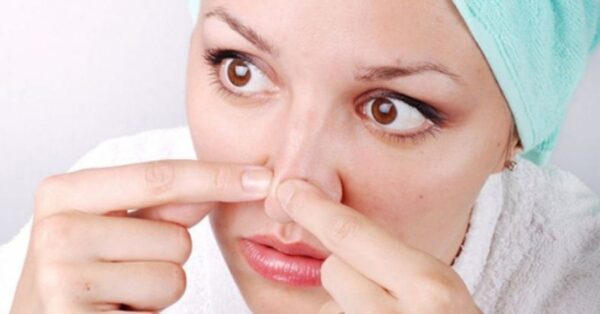
Skin health plays an essential role in how we feel and how others perceive us. A clear, radiant face often symbolizes vitality and self-care, while skin problems can affect not only appearance but also confidence and overall wellbeing. Among the most common skin concerns are blackheads, which, although small in size, can make the skin look unhealthy, dull, and unrefined.
Blackheads most frequently appear on the T-zone of the face—the forehead, nose, and chin—because this area has the highest concentration of sebaceous (oil) glands. For many people, blackheads are not only a cosmetic inconvenience but also a recurring issue that resists quick fixes.
This expanded guide explores what blackheads are, how they form, why harsh scrubbing does not solve the problem, and how a simple natural remedy made with lemon juice and baking soda can effectively reduce them.
What Are Blackheads?
Blackheads, scientifically known as open comedones, form when pores become clogged with excess sebum (oil), dead skin cells, and sometimes environmental debris. Unlike pimples, they do not involve infection or pus. Instead, they result from the oxidation process:
When a pore is open, the trapped sebum and cells inside are exposed to air.
The oxygen causes this mixture to oxidize, turning it dark.
This darkened plug appears on the skin’s surface as a black spot.
In contrast, whiteheads (closed comedones) are caused by the same process but occur when the pore remains sealed at the surface. Without exposure to air, the material inside does not oxidize and stays white.
Thus, the difference between a blackhead and a whitehead lies simply in whether the pore is open or closed.
Common Misconceptions About Blackheads
Many people mistakenly believe that blackheads are caused by dirt trapped in the skin. This misconception leads to excessive washing, harsh scrubbing, or the overuse of chemical cleansers. Unfortunately, this approach does not solve the problem.
When the skin is over-cleansed:
Its natural oils are stripped away.
The skin responds by producing even more oil to compensate.
The result is a cycle of dryness, irritation, and worsening breakouts.
Blackheads are not about hygiene but rather about oil balance, pore function, and cellular turnover. Washing the face repeatedly will not remove them—it may, in fact, make the condition more noticeable.
A Simple Natural Solution
Fortunately, there are gentle and effective ways to deal with blackheads. One of the simplest remedies involves ingredients most people already have in their kitchens: lemon juice and baking soda. This natural combination targets the underlying causes of blackheads without harsh chemicals.
Ingredients:
1 teaspoon baking soda
1 teaspoon lemon juice
Preparation Method:
Place one teaspoon of fresh lemon juice into a small clean bowl.
Add one teaspoon of baking soda.
Mix well until the ingredients form a smooth, creamy paste.
Once the mixture is ready:
Apply it with your fingertips directly onto the areas affected by blackheads, focusing on the nose, forehead, and chin.
Leave the paste on the skin for 15 minutes.
Rinse thoroughly with warm water while gently massaging the skin in circular motions.
This procedure should be repeated twice a week for best results.
How Does It Work?
This remedy is powerful because each ingredient contributes unique skin benefits:
1. The Role of Lemon Juice
Lemon is well-known for its cleansing and brightening effects on the skin. It is rich in citric acid, a natural alpha hydroxy acid (AHA), which exfoliates the skin by breaking down dead cells.
Exfoliation: Removes old skin layers, allowing fresh, healthy cells to appear.
Pore cleansing: Clears debris and oil, preventing new blockages.
Antibacterial protection: Lemon juice inhibits the growth of bacteria that can cause acne, lowering the risk of infection after blackheads are cleared.
Skin tightening: Helps shrink pores, reducing their tendency to become clogged again.
In addition, lemon contains vitamin C, a powerful antioxidant that supports collagen production and enhances skin brightness.
2. The Role of Baking Soda
Baking soda, or sodium bicarbonate, is another household item with surprising skin benefits.
Gentle exfoliant: Its fine texture helps physically remove dead cells and impurities.
Antibacterial properties: Baking soda prevents the spread of harmful microbes that may worsen acne.
Oil balancing: It helps absorb excess sebum from the surface of the skin.
Soothing action: It reduces inflammation and redness, giving the skin a calmer appearance.
Together with lemon juice, baking soda enhances the cleansing effect and ensures that pores remain free of blockages.
The Science Behind the Remedy
From a dermatological perspective, the effectiveness of this treatment comes from the synergy of chemical and physical exfoliation:
Lemon juice acts as a chemical exfoliant (citric acid), breaking bonds between dead cells and loosening pore blockages.
Baking soda provides mechanical exfoliation, physically removing the loosened debris.
Both ingredients possess antibacterial qualities, reducing the chance of infection after pore clearing.
The combined result is smoother, clearer skin with fewer blackheads over time.
Practical Guidelines and Safety Tips
Although this remedy is natural, certain precautions should be observed:
Dilution and moderation: Do not use concentrated lemon juice on the skin daily—it can be irritating if overused.
Patch test: Before applying the mixture to the entire face, test it on a small area of skin to check for sensitivity.
Sun protection: Lemon juice can make the skin more sensitive to sunlight. Always apply sunscreen after treatments.
Frequency: Limit use to twice per week to avoid excessive dryness or irritation.
Moisturize: Follow up with a gentle, non-comedogenic moisturizer to restore skin hydration.
Additional Natural Approaches to Blackheads
While lemon and baking soda are highly effective, other natural remedies can also support blackhead prevention:
Clay masks (bentonite or kaolin): Absorb oil and draw out impurities.
Honey: Provides antibacterial protection and hydrates the skin.
Aloe vera: Soothes irritation and balances sebum production.
Steam therapy: Opens pores and makes removal of blackheads easier.
Combining these approaches with good daily habits can significantly improve long-term results.
Lifestyle Factors That Influence Blackheads
Skin health is not determined only by topical remedies. Lifestyle choices also play an important role. To minimize blackheads:
Maintain a balanced diet: Avoid excessive sugar and processed foods, which can trigger oil production.
Stay hydrated: Drinking enough water helps regulate skin function.
Cleanse gently: Use mild, non-comedogenic cleansers twice daily.
Avoid heavy cosmetics: Oil-based makeup can block pores.
Manage stress: Hormonal changes caused by stress often increase sebum production.
By combining external remedies with internal balance, you create a holistic strategy for clearer, healthier skin.
Conclusion
Blackheads may seem like a small cosmetic issue, but they affect millions of people and can undermine confidence and skin health. Understanding how they form—through pore blockages and oxidation—helps dispel myths and prevents ineffective solutions like over-washing.
The simple remedy of lemon juice and baking soda provides an affordable, natural, and highly effective way to tackle blackheads. With its exfoliating, antibacterial, and pore-cleansing effects, it offers visible improvements within weeks when used consistently and safely.
When combined with healthy habits, proper hydration, and gentle skin care practices, this remedy can transform the skin, restoring not only clarity and smoothness but also confidence.