














An infusion of marsh cinquefoil rhizomes (both water-based and alcohol-based) is beneficial for rinsing the mouth in cases of toothache, gum diseases, and unpleasant oral odor. This plant has long been used in traditional medicine due to its anti-inflammatory, antiseptic, and pain-relieving properties. Regular mouth rinsing with such an infusion helps reduce bacterial growth, soothes irritated gums, and freshens breath naturally. It is especially useful for people who suffer from recurrent gum inflammation or sensitivity.
An infusion of sage is also highly effective. Sage has well-known antibacterial and anti-inflammatory qualities, making it an excellent natural remedy for oral health problems. The mouth should be rinsed with a warm infusion, frequently and patiently, holding the liquid in the mouth for a longer time to allow the active compounds to take effect. This method helps relieve toothache, reduce swelling, and improve overall oral hygiene. Sage is particularly recommended for people with bleeding gums or chronic gum irritation.
Another traditional remedy involves finely chopped raspberry and mint leaves. These leaves should be mixed together and poured over with 30 grams of wine vinegar. The mixture is left to infuse in a glass container for three days, after which it is strained. The resulting liquid is used as a mouth rinse. Raspberry leaves help strengthen gum tissue, while mint provides a refreshing effect and reduces unpleasant odor. Wine vinegar acts as a mild disinfectant, helping to control harmful bacteria in the mouth. Regular use of this rinse can significantly improve gum health and leave the mouth feeling clean and refreshed.
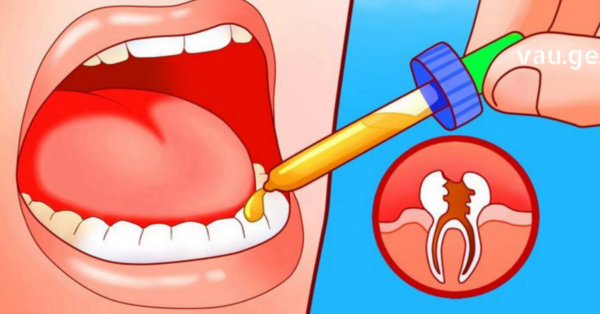
An infusion and powder made from bay leaves are known to relieve toothache. The infusion is prepared using 40-degree alcohol. Take three tablespoons of well-crushed bay leaves, pour 100 ml of 40-degree alcohol over them, and leave the mixture to infuse for ten days in a cool, dark place. After this period, strain the liquid. A few drops of the infusion are applied to a piece of gauze or cotton and placed into the cavity of the aching tooth. This method often provides quick pain relief. Alternatively, a pinch of bay leaf powder can be placed directly into the cavity and covered with cotton. Bay leaves contain essential oils and active compounds that have analgesic and antiseptic effects, making them useful for temporary pain management.
An infusion of black cumin also helps relieve toothache. Black cumin has been valued for centuries for its healing properties, including its ability to reduce pain and inflammation. When used as a mouth rinse or applied locally, it can help calm irritated nerves and reduce discomfort.
For teeth whitening and caries prevention, the following natural method is recommended. Take a pinch of sea salt or regular table salt and grind it well. Add two to three drops of olive oil and mix thoroughly. The resulting paste is gently massaged into the gums and teeth with a finger for five minutes. This procedure should be performed one to two times a month, in the morning and evening. Salt helps remove plaque and bacteria, while olive oil nourishes the gums and prevents excessive dryness. When used correctly and moderately, this method can help maintain tooth whiteness and strengthen gum tissue.
Tips for dental care are essential for maintaining long-term oral health. At first glance, brushing teeth may seem extremely simple: move the brush back and forth, spit, rinse, and that is all. However, achieving proper oral hygiene requires both practical and theoretical knowledge. Tooth brushing is an art that demands professional guidance and correct technique. Incorrect brushing habits can lead to gum recession, enamel damage, and insufficient plaque removal, even if brushing is done regularly.
Only a personalized, individual approach and professional knowledge, such as that offered at the “Nino Beridze Orthodontic Center,” can help change hygiene habits and ensure the health of teeth and gums throughout a lifetime. Specialists emphasize that each person’s oral cavity is unique, and therefore hygiene routines, tools, and techniques must be selected individually to achieve the best results.
Learning innovative tooth-cleaning techniques is a crucial part of modern dental care. New methods focus not only on cleaning visible tooth surfaces but also on effectively removing plaque from hard-to-reach areas, such as between teeth and along the gumline. These techniques help prevent the buildup of dental plaque, which is the main cause of tooth decay and gum disease.
The individual selection of home-use hygiene products is equally important. Toothbrushes, toothpaste, dental floss, interdental brushes, and mouthwashes should be chosen based on a person’s specific needs, such as gum sensitivity, orthodontic appliances, or a tendency toward cavities. Using inappropriate products may reduce the effectiveness of oral care or even cause harm over time.
Professional recommendations for maintaining health, whiteness, and shine of teeth play a significant role in prevention. Dentists provide guidance on diet, daily hygiene routines, and habits that can either support or undermine oral health. For example, excessive consumption of sugary foods and acidic drinks can weaken enamel, while proper nutrition and adequate water intake contribute to stronger teeth and healthier gums.
Dental plaque is the primary cause of tooth decay and various oral diseases. It hides between teeth, above and below the gumline, in areas that are inaccessible to regular brushing. When plaque is not removed properly, it hardens into tartar and becomes a breeding ground for harmful bacteria. In cases of neglect and poor hygiene, plaque leads to cavities, gum inflammation, bad breath, and eventually tooth loss. This is why wise dentists often begin any discussion with the question: “So, how do you brush your teeth?”
Professional dental cleaning performed twice a year reduces the risk of gum disease by 80% and cavities by 60%. During professional cleaning, plaque and tartar are removed from areas that cannot be cleaned at home. This procedure not only improves oral health but also enhances the appearance of teeth, making them smoother and brighter.
In conclusion, combining traditional natural remedies with modern professional dental care provides the best results for maintaining healthy teeth and gums. Herbal infusions and natural treatments can help relieve pain, reduce inflammation, and freshen breath, while proper brushing techniques, personalized hygiene products, and regular professional cleanings ensure long-term oral health. Consistent care, awareness, and professional guidance are the key factors that protect your smile throughout your life.