















There are many effective chemical and natural remedies for treating burns, but since ancient times, honey has stood out as one of the most remarkable and trusted healing substances.
From the earliest civilizations to modern medicine, honey has been valued not only as a nutritious food but also as a powerful natural remedy. Ancient Egyptians, Greeks, and Romans used honey to treat wounds, burns, and skin infections, recognizing its unique ability to protect damaged skin and accelerate healing. Even today, despite the wide availability of advanced pharmaceutical products, honey continues to attract the attention of scientists and medical professionals due to its impressive therapeutic properties.
In New Zealand, a scientific study was conducted to evaluate how effectively honey works on wounds and burns. The purpose of the research was to compare honey with commonly used modern treatments and to determine whether this natural product could truly compete with, or even surpass, conventional remedies. The results of the study were striking and exceeded expectations.
As the research demonstrated, honey can act exceptionally well on damaged human skin. Researchers noted that honey creates a protective barrier over the wound or burn, helping to prevent infection while maintaining a moist environment that is essential for proper healing. This moisture balance is crucial, as overly dry wounds heal more slowly and are more prone to scarring. Honey naturally supports the skin’s regeneration process, allowing new tissue to form more quickly and effectively.
One of the key reasons honey is so effective in treating burns is its strong antibacterial and antimicrobial properties. Honey contains natural enzymes that produce small amounts of hydrogen peroxide when applied to the skin. This helps eliminate harmful bacteria without damaging healthy tissue. Unlike some chemical antiseptics, honey does not irritate the skin or slow down the healing process. On the contrary, it soothes inflammation and reduces redness and pain.
Researchers involved in the New Zealand study emphasized that honey outperforms many modern medicinal products currently available. According to their observations, burns treated with honey healed faster, showed fewer signs of infection, and resulted in less scarring compared to those treated with standard creams or ointments. These findings reinforce the idea that natural remedies, when used correctly, can be just as effective—if not more so—than synthetic alternatives.
Another important advantage of honey is its anti-inflammatory effect. Burns often cause swelling, pain, and discomfort, which can significantly impact a person’s quality of life during recovery. Honey helps calm inflamed tissue, reduce swelling, and ease pain, making the healing process more comfortable. Many people report a noticeable reduction in pain shortly after applying honey to a burn.
Honey is also rich in antioxidants, which play a vital role in tissue repair. Antioxidants help protect cells from oxidative stress and support the body’s natural healing mechanisms. By nourishing the skin at a cellular level, honey promotes faster regeneration and improves the overall appearance of healed skin. This is especially important for burns, which can otherwise leave lasting marks or scars.
Another reason honey is considered an ideal remedy for burns is its accessibility and affordability. Unlike specialized pharmaceutical products, which can be expensive and sometimes difficult to obtain, honey is widely available and easy to use at home. This makes it an excellent first-aid option for minor burns, especially in situations where immediate medical products are not accessible.
However, it is important to note that not all honey is the same. Medical-grade honey, such as Manuka honey from New Zealand, is often used in clinical settings because of its particularly strong antibacterial properties. That said, even regular natural honey can be beneficial when applied properly to minor burns. The key is to ensure that the honey is pure and free from additives.
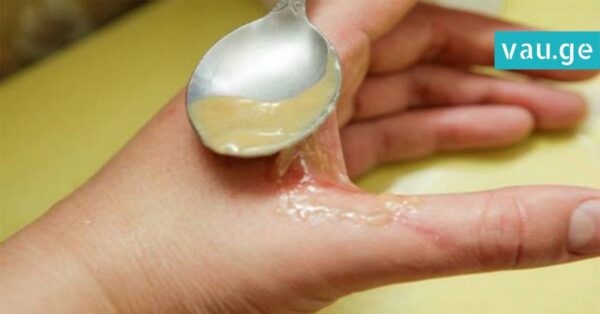
The application process is simple. After gently cleaning the affected area with clean water and allowing it to cool, a thin layer of honey can be applied directly to the burn. The area can then be covered with a sterile bandage or gauze to keep it clean. This method helps protect the wound, reduces the risk of infection, and supports continuous healing. The dressing should be changed regularly, and fresh honey should be applied each time.
Despite its many benefits, honey should be used responsibly. While it is highly effective for minor burns and superficial wounds, more serious burns still require professional medical attention. Deep burns, extensive skin damage, or burns accompanied by severe pain, blistering, or signs of infection should always be evaluated by a healthcare professional. Honey can be a supportive treatment, but it should not replace proper medical care when it is necessary.
Modern science continues to explore and confirm what ancient healers intuitively knew: honey is a powerful natural medicine. Its ability to heal skin, fight bacteria, reduce inflammation, and accelerate recovery makes it truly unique. Researchers increasingly recognize that some traditional remedies deserve a place alongside modern treatments, especially when supported by scientific evidence.
In today’s world, where many people are seeking more natural and gentle approaches to health and self-care, honey stands as a perfect example of nature’s healing potential. It reminds us that effective solutions do not always come from laboratories; sometimes, they come directly from nature itself.
In conclusion, while many chemical and natural remedies exist for treating burns, honey remains one of the most exceptional and time-tested options. Scientific research, including studies conducted in New Zealand, confirms that honey can work ideally on damaged skin and, in many cases, surpass modern medicinal products. It heals the skin quickly, safely, and effectively, making it an invaluable remedy for burn care. When used correctly and with appropriate precautions, honey truly deserves its reputation as an ideal, unparalleled product for healing burns.








































