















Savory — known scientifically as Satureja — was called a “blessed herb” by the ancient Greeks. This remarkable plant has been known to humanity since antiquity and was highly valued not only for its rich, spicy aroma but also for its powerful medicinal properties. In ancient Greece and later in Rome, savory was cultivated in monastery gardens and used both as a culinary spice and as a healing herb. Physicians of the time praised it for strengthening the body, stimulating digestion, and restoring vitality.
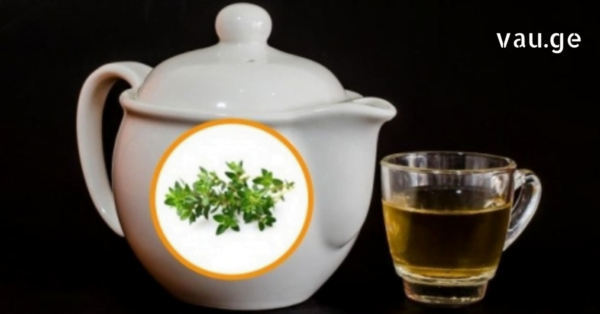
Savory possesses numerous beneficial properties. It is known for its bactericidal (antibacterial) effects, wound-healing abilities, soothing action, expectorant qualities, bronchodilatory effects (helping to open the airways), antifungal activity, and many other therapeutic benefits. In addition, savory helps normalize metabolism, which makes it particularly important for individuals who strive to maintain a balanced lifestyle and healthy body weight. By supporting proper metabolic processes, it contributes to overall well-being and sustained energy levels.
Savory Tea
The benefits of savory tea are difficult to overestimate. It is truly a treasure trove of vitamins, essential oils, tannins, organic acids, and bioactive compounds that work together to support the body. Savory is not only popular in traditional folk medicine but is also recognized by official herbal medicine for its therapeutic value. Modern phytotherapy acknowledges its antiseptic, anti-inflammatory, and digestive-supporting properties.
Tea made from dried savory flowers and leaves is especially recommended for people suffering from insomnia. It has a gentle calming effect on the nervous system and helps promote restful sleep without causing heaviness or grogginess. Furthermore, savory tea effectively relieves pain associated with rheumatism and arthritis due to its anti-inflammatory and warming properties.
This plant is widely used in the treatment of various respiratory diseases, including asthma, bronchitis, persistent cough, and seasonal colds. Because of its bronchodilatory and expectorant properties, savory helps clear mucus from the lungs and soothes irritated airways. Drinking warm savory tea during respiratory infections may ease breathing and reduce throat discomfort.
In addition to respiratory support, savory has long been valued for its digestive benefits. It stimulates appetite, improves digestion, reduces bloating, and helps relieve intestinal spasms. Traditionally, it has been used for flatulence, diarrhea, stomach cramps, and intestinal parasites. Its antimicrobial properties also help maintain a healthy balance of gut flora.
Savory Tea Recipes
Recipe 1
Add 1 teaspoon of dried savory to 1/4 cup of water. Bring the mixture to a boil and let it steep for 10 minutes. Strain the liquid into a cup and allow it to sit for an additional 5 minutes before drinking. This concentrated infusion is particularly effective for relieving digestive discomfort and mild respiratory symptoms.
Recipe 2
Place 3 teaspoons of black tea and 2 teaspoons of dried savory into a teapot. Pour boiling water over the mixture and allow it to steep. Add sugar or honey to taste. This blend combines the energizing properties of black tea with the therapeutic effects of savory, making it suitable for morning or afternoon consumption.
Recipe 3
Mix savory and mint in equal proportions. Place the mixture in a teapot and pour boiling water over it. This aromatic drink acts as a quick remedy for nervous tension, insomnia, mood disturbances, and increased fatigue. The refreshing qualities of mint complement the warming and stimulating nature of savory, creating a balanced herbal infusion.
Due to its high thymol content, savory is not recommended for individuals with gastritis, stomach ulcers, hyperthyroidism, or diabetes without medical supervision. Thymol is a powerful antiseptic compound, but in high concentrations it may irritate sensitive stomach linings or affect thyroid function. Pregnant women and children should consume savory-containing beverages only after consulting a physician to determine appropriate dosage. Moderation is essential, as with any medicinal herb.
Once you taste this tea, it is likely to become a lasting favorite due to its distinctive flavor and noticeable effects on well-being.
Chemical Composition and Active Components
Savory is rich in essential oils, whose main components include carvacrol, cymol, borneol, cineole, pinene, and other terpenes. Carvacrol and thymol are particularly responsible for its strong antimicrobial and antifungal properties. These compounds help combat harmful bacteria and fungi, making savory useful in preventing minor infections and supporting immune health.
In addition to essential oils, savory contains resins, tannins, flavonoids, and various phenolic compounds. Tannins contribute to its astringent effect, which can help reduce diarrhea and soothe irritated mucous membranes. Flavonoids provide antioxidant protection, helping the body fight oxidative stress and cellular damage.
Savory has a distinctive and rather intense aroma, characterized by spicy, peppery, and slightly minty notes. In cooking, both freshly harvested young leaves and dried leaves and stems are used. It enhances the flavor of legumes, meat dishes, soups, and vegetable stews. Historically, savory was added to heavy meals to improve digestion and prevent bloating.
In medicine, savory is often combined with other medicinal plants to enhance its effectiveness. It is used for treating meteorism (gas accumulation), diarrhea, gastrointestinal spasms, and intestinal worms. It is also considered beneficial for people with diabetes and certain bile duct disorders, as it may support liver and gallbladder function when used appropriately.
Additional Health Benefits
Savory is believed to support cardiovascular health by improving circulation and mildly stimulating the heart. Some traditional sources suggest that it helps reduce fatigue and restore strength after illness. Its warming properties make it especially suitable during cold seasons, as it helps maintain internal warmth and resist seasonal infections.
The herb’s mild antiseptic properties also make it useful for gargling during sore throat or minor oral infections. A diluted savory infusion may be used externally for cleansing minor wounds, thanks to its antibacterial action.
Savory also has a mild mood-lifting effect. Ancient herbalists believed that it could dispel melancholy and increase vitality. While modern science continues to study these claims, many herbal tea enthusiasts report feeling refreshed and energized after drinking savory tea regularly in moderate amounts.
Conclusion
Savory, once revered by the ancient Greeks as a blessed herb, remains a powerful natural remedy and flavorful culinary ingredient. Its rich chemical composition, including essential oils such as carvacrol and thymol, gives it strong antimicrobial, anti-inflammatory, and digestive-supporting properties. Savory tea can aid sleep, soothe respiratory conditions, improve digestion, relieve mild pain, and contribute to overall vitality.
However, like all medicinal herbs, it should be used responsibly and with awareness of contraindications. When consumed wisely, savory tea can become not only a pleasant daily ritual but also a natural ally in supporting the health of the entire body.