




Horse chestnut (Aesculus hippocastanum) is a deciduous tree widely found in many regions of Europe and Asia and often cultivated in parks and gardens for its decorative beauty. In the wild, the tree can reach a height of up to 30 meters and typically has a pyramidal or rounded crown shape. Its leaves are large and palm-shaped, consisting of several leaflets spreading from a central point, which gives the tree a distinctive appearance. The tree blossoms in April and May, producing upright clusters of white or pale pink flowers, and its fruits mature between September and October. The fruit is a brown, glossy seed enclosed in a spiny green capsule that opens when ripe.
Although horse chestnut seeds are not edible in their raw form, different parts of the tree—including seeds, bark, flowers, and leaves—have long been used in traditional herbal medicine. Extracts prepared from these plant parts are especially valued for their beneficial effects on the circulatory system, particularly veins and capillaries.
Chemical Composition of the Flowers and Leaves
Horse chestnut flowers and leaves contain a number of biologically active compounds that contribute to their medicinal properties. Among the most important components are flavonoids such as quercitrin and isoquercitrin, as well as coumarins, tannins, and various plant antioxidants. These compounds help strengthen blood vessels, improve circulation, and protect tissues from oxidative damage. Additionally, the plant contains glycosides and saponins, including escin (also spelled aescin), one of the most important active substances responsible for the therapeutic effects associated with horse chestnut preparations.
Pharmacological Properties of Horse Chestnut
The medicinal action of horse chestnut is primarily linked to the glycoside escin and the compound esculin. Esculin helps strengthen capillary walls and supports the antithrombotic activity of blood serum by stimulating the production of antithrombin, a substance that helps prevent excessive clot formation. Escin, on the other hand, improves venous tone, reduces swelling, and helps decrease fluid retention in tissues. Because of these properties, horse chestnut extracts are widely used in herbal medicine to support vascular health, especially in conditions involving poor circulation or weakened vein walls.
Horse chestnut preparations are known to increase the tone and elasticity of venous blood vessels, making them particularly useful for people who experience symptoms related to venous insufficiency, such as heaviness in the legs, swelling, or visible varicose veins. Many modern herbal supplements designed for circulatory support include standardized horse chestnut extracts for this reason.
When Horse Chestnut Preparations Are Traditionally Used
Traditional herbal practices recommend horse chestnut preparations for a variety of circulatory and inflammatory conditions, including:
Damage to the walls of veins and capillaries
Hemorrhoids
Varicose veins
Leg ulcers associated with poor circulation
Inflammation of veins (phlebitis)
Postoperative thrombosis
Thrombosis of the central retinal vein
Sclerotic changes in blood vessels of the legs
Rheumatism affecting joints
Gallbladder disorders
Certain cases of uterine bleeding (under medical supervision)
Because of its circulation-supporting properties, horse chestnut is also frequently used externally in creams, ointments, and compresses designed to reduce swelling, bruising, and joint discomfort.
Preparation of Horse Chestnut Leaf Tincture
To prepare a traditional tincture from horse chestnut leaves, you will need the following ingredients:
50 grams of dried, crushed horse chestnut leaves
1 bottle (approximately 500 ml) of vodka or another neutral alcohol
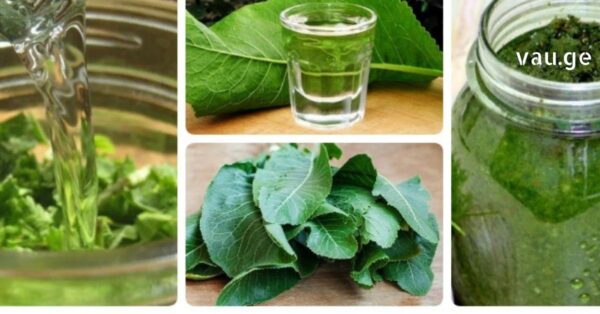
Place the crushed leaves into a clean glass bottle or jar. Pour the alcohol over the plant material until it is completely covered. Seal the container tightly and store it in a cool, dark place for two weeks. During this period, it is important to shake the bottle regularly—preferably once a day—to ensure proper extraction of the active compounds. After two weeks, strain the liquid through clean gauze or a fine filter to remove the plant residue. The tincture is then ready for use and should be stored in a dark glass container to preserve its potency.
Directions for Use
The traditional dosage is approximately 30 drops taken three times daily, about 30 minutes before meals. The usual course of use lasts three to four weeks, after which a break is recommended. However, anyone considering internal use of herbal tinctures should consult a healthcare professional, especially individuals with chronic health conditions or those taking medications affecting blood clotting.
In addition to oral use, the tincture may also be applied externally. It can be gently rubbed into affected areas in cases of thrombophlebitis or used as a compress for joint pain, swelling, or muscle discomfort. External application allows the active compounds to act locally, helping reduce inflammation and improve circulation in the treated area.
Additional Benefits and Traditional Uses
Beyond its primary circulatory benefits, horse chestnut leaf preparations have also been used in traditional wellness practices to support recovery from fatigue associated with prolonged standing or sitting. Many individuals who spend long hours on their feet report relief from leg heaviness and swelling when using horse chestnut-based products regularly. The plant’s anti-inflammatory properties may also help reduce discomfort associated with minor injuries, bruises, or localized swelling.
Horse chestnut extracts are sometimes included in cosmetic products intended to improve skin tone and reduce the appearance of visible capillaries, particularly on the face and legs. By strengthening small blood vessels and improving microcirculation, these preparations can contribute to healthier-looking skin.
Important Safety Considerations
Although horse chestnut has many beneficial properties, it must be used responsibly. Raw horse chestnut seeds and improperly prepared extracts can be toxic if consumed. Only properly prepared herbal tinctures or standardized extracts should be used, and excessive doses should be avoided. Pregnant or breastfeeding individuals, as well as people taking anticoagulant medications, should consult a healthcare provider before using horse chestnut products.
About Natural Health Resources
Natural health platforms and educational websites often aim to provide practical information about traditional remedies, self-care techniques, and everyday wellness solutions. Their goal is to introduce readers to natural recipes and methods that can support health, beauty, and daily comfort using accessible ingredients. Many traditional remedies can be prepared at home with simple materials, allowing people to explore natural wellness approaches while saving money and enjoying the preparation process.
Information about herbal preparations, natural skincare, and household remedies often becomes part of everyday routines, helping individuals maintain healthier lifestyles and share useful knowledge with family and friends. These resources emphasize that maintaining health does not always require expensive treatments or complex procedures; in many cases, simple natural methods used responsibly can complement a balanced lifestyle and contribute to overall well-being.
In conclusion, horse chestnut leaves possess valuable medicinal properties that have been appreciated in traditional herbal medicine for centuries. Properly prepared tinctures and extracts may support circulatory health, strengthen blood vessels, reduce swelling, and relieve joint discomfort. When used carefully and with appropriate guidance, this natural remedy can become a helpful addition to a holistic approach to maintaining vascular health and overall wellness.