















Peanuts are widely known as a nutritious and delicious food, but many people are still unaware of how beneficial they truly are for overall health. It is well established that peanuts can improve memory, yet this is only one of their many advantages. Rich in vitamins, minerals, healthy fats, antioxidants, and essential nutrients, peanuts play an important role in supporting both physical and mental well-being.
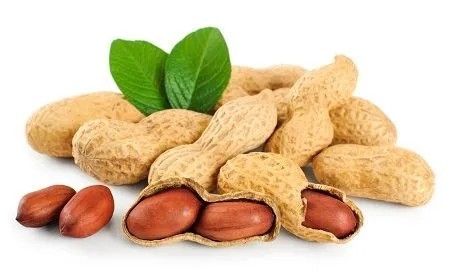
Below, you will find an expanded and detailed overview of 12 powerful health benefits of peanuts that everyone should know. This text explains not only what peanuts do for your body, but also why they are so valuable as part of a balanced diet.
1. Improves Memory and Brain Function
Peanuts are often referred to as “brain food,” mainly because of their high content of vitamin B3 (niacin). This vitamin is essential for proper brain function and plays a key role in improving memory, concentration, and cognitive performance. Regular consumption of peanuts may help reduce the risk of cognitive decline and support long-term brain health. Niacin improves blood flow to the brain, ensuring that brain cells receive enough oxygen and nutrients to function efficiently.
2. Supports Heart Health
Peanuts are extremely beneficial for the heart due to their high levels of monounsaturated and polyunsaturated fats, which are known as “good fats.” These fats help lower bad cholesterol (LDL) while maintaining or increasing good cholesterol (HDL). Peanuts also contain oleic acid, a healthy fatty acid that reduces inflammation and protects against cardiovascular diseases. When consumed in moderation, peanuts can significantly reduce the risk of heart attacks and strokes.
3. Helps with Weight Loss
Although peanuts are high in calories and fats, they do not necessarily contribute to weight gain. In fact, peanuts can support weight loss when eaten in controlled portions. Their high protein and fiber content helps promote a feeling of fullness, which reduces overeating and unnecessary snacking. Peanuts also help regulate metabolism, making them a smart and satisfying snack for people trying to manage their weight.
4. Boosts Energy Levels
Peanuts are widely recognized for their energy-boosting properties. They are packed with essential vitamins, minerals, antioxidants, and nutrients that provide long-lasting energy. The combination of healthy fats, protein, and complex carbohydrates makes peanuts an excellent food choice for people with active lifestyles, athletes, or anyone experiencing fatigue. Unlike sugary snacks, peanuts provide sustained energy without sudden crashes.
5. Helps Fight Depression
Serotonin is a crucial brain chemical responsible for regulating mood, emotions, and mental stability. Low serotonin levels are often linked to depression and anxiety. Peanuts contain tryptophan, an amino acid that plays a direct role in increasing serotonin production in the brain. As a result, regular peanut consumption may help improve mood, reduce stress, and lower the risk of depression in a natural way.
6. Helps Fight Cancer
Peanuts contain polyphenolic antioxidants, which are powerful compounds that help protect the body against cancer. These antioxidants are particularly effective in reducing the risk of stomach cancer. In addition, peanuts may help inhibit the formation of carcinogenic substances such as nitrosamines. Their antioxidant properties neutralize harmful free radicals, which can damage cells and lead to cancer development.
7. Beneficial During Pregnancy and Protects the Fetus
Consuming peanuts during pregnancy can be highly beneficial for both the mother and the developing baby. Peanuts are rich in folic acid, which is essential for fetal brain and spinal cord development. Studies also suggest that peanut consumption during pregnancy may reduce the likelihood of allergic conditions, such as asthma, in children later in life. When eaten in moderation, peanuts can be a valuable part of a healthy prenatal diet.
8. Prevents Gallstones
Gallstones affect approximately 10–25% of adults and can cause serious discomfort and health complications. Regular peanut consumption has been shown to reduce the risk of gallstone formation. Research indicates that eating just 30 grams of peanuts per day can lower the risk of gallstones by up to 25%. This benefit is mainly due to peanuts’ healthy fat content, which supports proper gallbladder function.
9. Slows the Aging Process
Early signs of aging, such as wrinkles, skin discoloration, and loss of elasticity, are major cosmetic concerns for many people. Peanuts are rich in vitamin C, which is essential for collagen production. Collagen helps maintain skin firmness, elasticity, and a youthful appearance. The antioxidants found in peanuts also protect skin cells from damage caused by free radicals and environmental factors.
10. Protects and Improves Skin Health
Peanuts contain nutrients that contribute to healthy, glowing skin. The dietary fiber in peanuts helps the body eliminate toxins more efficiently, which has a direct positive effect on skin appearance. Additionally, vitamins and antioxidants in peanuts help reduce inflammation, improve skin texture, and promote natural radiance. Regular consumption can make the skin softer, smoother, and healthier.
11. Helps Prevent Alzheimer’s Disease
Numerous studies suggest that diets rich in niacin (vitamin B3) can significantly reduce the risk of Alzheimer’s disease. Research indicates that adequate niacin intake may lower the risk of developing Alzheimer’s by up to 70%. Since peanuts are an excellent natural source of niacin, they play an important role in supporting brain health and protecting against neurodegenerative disorders.
12. Reduces the Risk of Diabetes
Because peanuts support heart health and help regulate metabolism, they are also beneficial in reducing the risk of type 2 diabetes. Peanuts contain manganese, a mineral that plays a vital role in regulating blood sugar levels. Their low glycemic index means they do not cause sudden spikes in blood sugar, making them a suitable snack for people with diabetes when consumed in moderation.
Additional Benefits and Ways to Consume Peanuts
Peanuts can be consumed in many forms: raw, roasted, boiled, or as peanut butter. They are especially beneficial for people with diabetes when eaten without added sugar or excessive salt. Their versatility makes them easy to include in everyday meals, snacks, and even healthy desserts.
In addition to the benefits listed above, peanuts also support digestive health, strengthen bones due to their magnesium and phosphorus content, and help maintain muscle mass thanks to their high protein levels. They are affordable, widely available, and easy to store, making them an excellent nutritional choice for people of all ages.
Conclusion
Peanuts are far more than just a tasty snack. They are a powerful, nutrient-dense food that supports brain health, heart function, skin quality, mental well-being, and overall vitality. When consumed regularly and in moderation, peanuts can significantly improve quality of life and help prevent many chronic diseases. Including peanuts in your daily diet is a simple yet effective way to support long-term health naturally.