















Gout, also known as podagra, is a fairly common condition caused by high levels of uric acid in the blood. When uric acid accumulates, it can form sharp crystals that deposit in the joints. This leads to sudden and intense pain, swelling, redness, warmth, and stiffness — most often affecting the big toe, but it can also involve the ankles, knees, fingers, wrists, and elbows. Gout attacks can occur unexpectedly, often at night, and the pain can be severe enough to disrupt daily life.
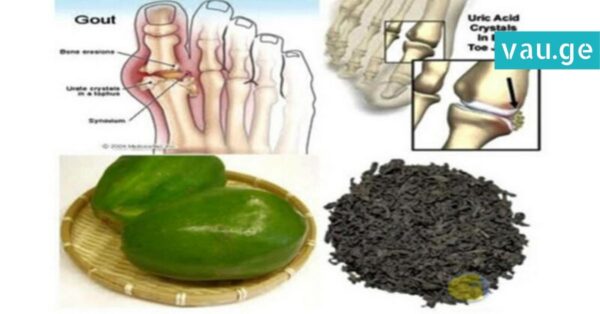
Uric acid is a natural waste product formed when the body breaks down purines — substances found in certain foods and drinks such as red meat, organ meats, seafood, alcohol (especially beer), and sugary beverages. Normally, uric acid dissolves in the blood and is eliminated through the kidneys in urine. However, when the body produces too much uric acid or fails to excrete enough of it, levels rise. Over time, this imbalance can trigger inflammation and painful flare-ups.
While medical treatment and lifestyle changes are essential for managing gout properly, many people also look for supportive natural approaches that may help the body maintain balance. One traditional remedy that is often recommended is papaya tea — especially when prepared from green (unripe) papaya.
Papaya is a tropical fruit valued not only for its flavor but also for its beneficial compounds. It contains an enzyme called papain, a proteolytic enzyme that helps break down proteins and supports digestion. Papain is also associated with anti-inflammatory properties. Because inflammation plays a central role in gout flare-ups, ingredients that may help reduce inflammatory responses are often considered supportive in a balanced routine.
Green papaya, in particular, is believed to be especially rich in papain. In addition to supporting digestion, papain may help reduce the buildup of certain metabolic waste products in the body. Some traditional practices suggest that regular consumption of green papaya tea may support the body in maintaining healthier uric acid levels, although it should not replace medical treatment.
Furthermore, green papaya is sometimes described as helpful in reducing inflammation more broadly. It has been traditionally used to support individuals dealing with asthma, osteoarthritis, and rheumatoid arthritis due to its potential soothing properties. Its vitamin content — including vitamin C and antioxidants — may also contribute to immune and joint health.
If you struggle with elevated uric acid levels or experience gout symptoms, you may consider trying this supportive drink as part of a balanced lifestyle approach. Some people report that after consuming it regularly for about two weeks, joint discomfort decreases and overall well-being improves. However, results may vary from person to person, and consistency is key.
Here is how to prepare this traditional papaya tea:
You will need:
1 green (unripe) papaya
A large pot
Approximately 3 liters of water
Green tea (about 1 teaspoon)
Preparation steps:
Wash the green papaya thoroughly to remove any dirt or residue. Peel the skin carefully, as green papaya can release a sticky latex-like substance. Once peeled, cut the papaya in half and remove the seeds. Then chop the flesh into small pieces.
Place the chopped papaya pieces into a large pot and add approximately 3 liters of water. Bring the water to a boil over medium heat.
Once the mixture begins to boil, reduce the heat to low and allow it to simmer gently for about 30 minutes. This slow simmer helps extract beneficial compounds from the papaya.
After simmering for 30 minutes, turn off the heat and add 1 teaspoon of green tea. Let the green tea steep in the hot liquid for several minutes.
Strain the mixture to remove the papaya pieces and tea leaves. Allow the liquid to cool to a comfortable drinking temperature.
How to consume:
It is recommended to drink this beverage regularly — about 3 to 4 cups per day. For best results, some traditional advice suggests continuing this routine for two weeks. During this period, many people report a reduction in joint discomfort and inflammation.
Once symptoms improve, you may reduce consumption to once per week as a maintenance routine. However, it is important to remember that gout is a metabolic condition that often requires long-term management through diet, hydration, weight control, and sometimes prescribed medication.
Additional supportive tips for managing gout:
Drink plenty of water throughout the day to help flush uric acid from the body.
Limit foods high in purines, such as red meat, processed meats, and certain seafood.
Reduce alcohol intake, especially beer.
Avoid sugary beverages high in fructose.
Maintain a healthy weight, as excess body weight increases uric acid production.
Include anti-inflammatory foods such as leafy greens, berries, and healthy fats.
While papaya tea may serve as a supportive natural beverage, it should not replace professional medical advice or prescribed treatment. If you experience frequent gout attacks, severe pain, or complications such as kidney stones, consult a healthcare provider for proper diagnosis and management.
Natural remedies can play a complementary role when combined with healthy lifestyle habits. Listening to your body, maintaining balance, and addressing underlying causes are essential steps toward long-term joint comfort.
By incorporating mindful nutrition, hydration, and supportive natural drinks like green papaya tea, you may help your body maintain healthier uric acid levels and reduce the likelihood of painful flare-ups. Consistency, patience, and a holistic approach are key to feeling better and supporting overall joint health.








































