













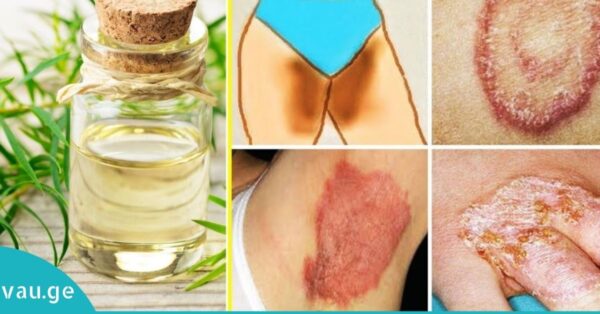
Dermatomycosis, also known as a fungal skin infection, is a common condition caused by fungi. It can appear on any part of the body, and while it is highly contagious, it is generally not considered life-threatening. The group of fungi responsible for causing dermatomycosis are called dermatophytes. Typically, symptoms start to appear approximately 4 to 10 days after the fungal infection begins. The characteristic sign of dermatomycosis is a small, round rash that emerges on the skin. Other accompanying symptoms include redness, itching, and inflammation, which can cause significant discomfort if not treated promptly.
Although dermatomycosis is not usually severe, it is important to address it as soon as possible to prevent the infection from spreading to other parts of the body or to other individuals. Treatment can involve prescription medications, but there are also several effective home remedies that can help manage the infection and support skin healing. Here, we present five of the most effective home remedies for treating dermatomycosis.
1. Proper Hygiene
Maintaining excellent personal hygiene is the first and most crucial step in preventing and treating dermatomycosis. Poor hygiene can lead to the infection spreading to other areas of the body, making it more difficult to control. Clean water is essential for maintaining hygiene, so it is important to wash your skin daily with soap and water. After showering or bathing, ensure that your skin is thoroughly dried, especially in areas prone to moisture accumulation such as between the fingers, the groin, and under the arms. Moisture promotes fungal growth, so it is essential to prevent sweat and dampness from lingering around the infected area. Regular washing, careful drying, and avoiding contact with contaminated objects or surfaces can significantly reduce the chances of the fungal infection worsening or spreading.
2. Apple Cider Vinegar
Apple cider vinegar (ACV) is a powerful natural antifungal agent that can help combat the fungi responsible for dermatomycosis. Research has shown that ACV contains compounds capable of inhibiting fungal growth and promoting healing. To use ACV, dilute it with water in a 1:1 ratio and soak a cotton pad in the mixture. Apply this pad directly to the affected area and leave it for several minutes before washing off. Alternatively, you can mix 1–2 tablespoons of unfiltered apple cider vinegar in a cup of warm water and add a small amount of honey. Drinking this solution twice daily can help prevent fungal infections from developing internally, supporting your immune system and reducing the risk of further outbreaks. ACV can help balance the skin’s pH, making it less favorable for fungal growth and promoting faster healing.
3. Tea Tree Oil
Tea tree oil is another highly effective natural remedy for dermatomycosis due to its potent antifungal and antiseptic properties. It helps to kill fungi on the skin while preventing secondary infections caused by bacteria. To use tea tree oil, apply a few drops to a cotton ball or pad and gently dab it on the affected area. This can be done two to three times daily for at least a week. For a gentler application, especially for sensitive skin, you can dilute tea tree oil with an equal amount of coconut oil and then apply it to the infected area. Using tea tree oil consistently can reduce redness, itching, and inflammation while supporting the skin’s natural healing processes.
4. Coconut Oil
Coconut oil is widely recognized for its rejuvenating properties and is highly effective in treating dermatomycosis. It contains antifungal compounds, such as lauric acid, that can directly combat the fungi causing the infection. In addition to its antifungal effects, coconut oil is deeply moisturizing, which can help relieve itching and discomfort associated with fungal rashes. To use coconut oil, warm a small amount in the microwave for a few seconds until it becomes easily spreadable. Apply the oil directly to the affected area and massage it gently into the skin until fully absorbed. Repeat this process three times daily for optimal results. The moisturizing and antifungal combination helps to repair the skin barrier, prevent further irritation, and accelerate healing.
5. Garlic
Garlic is a natural antifungal agent known for its ability to fight fungal infections effectively. It contains a compound called allicin, which has been scientifically shown to possess strong antifungal properties. Garlic not only helps fight the fungal infection on the skin but also boosts the immune system, providing additional protection against infections. To use garlic for dermatomycosis, crush a few cloves to form a paste and apply it directly to the affected area. Cover with a clean bandage and leave it on for a short period before rinsing off with warm water. This can be done once or twice daily for several weeks until the infection resolves. Regular use of garlic can reduce itching, inflammation, and redness while promoting faster healing.
Additional Recommendations for Managing Dermatomycosis
In addition to using these home remedies, it is essential to follow some lifestyle practices to ensure the infection is fully treated and to prevent recurrence:
Wear breathable clothing: Fungi thrive in warm, moist environments. Wearing loose-fitting, breathable clothing made of natural fibers can help reduce sweating and keep the affected area dry.
Avoid sharing personal items: Towels, clothing, and grooming tools should not be shared with others, as dermatomycosis is highly contagious.
Keep nails short and clean: Fungi can grow under the nails and reinfect the skin. Regular trimming and cleaning of nails can help prevent this.
Strengthen the immune system: A balanced diet rich in vitamins, minerals, and antioxidants can help your body fight fungal infections more effectively.
Clean living areas regularly: Disinfect floors, bedding, and clothing to prevent fungal spores from spreading in the home environment.
Conclusion
Dermatomycosis may be a common and contagious skin infection, but it is manageable with the right combination of hygiene, home remedies, and lifestyle adjustments. Remedies such as apple cider vinegar, tea tree oil, coconut oil, and garlic have proven antifungal properties and can accelerate healing when applied consistently. Maintaining proper hygiene, keeping the skin dry, and following preventative measures will also help reduce the likelihood of recurrence. While these home treatments are highly effective for mild to moderate infections, severe cases may require medical attention, and consulting a dermatologist is advised if symptoms persist or worsen. By using these methods diligently, you can safely and naturally combat dermatomycosis, restore healthy skin, and prevent the infection from spreading further.








































