















A laser is not a toy, and this is something every parent must remember. According to the Australian Broadcasting Corporation (ABC), a teenager from Tasmania lost 75% of his vision while playing with a laser. The incident occurred because the boy was shining a laser pointer directly into his eye during play.
The child was brought to ophthalmologist Ben Armitage, who spoke with ABC about the case. He explained that the 14-year-old boy came in for a consultation on a Friday after experiencing serious eye damage. The boy had suffered a burn to his retina — the light-sensitive layer at the back of the eye responsible for vision. While the boy did not feel immediate pain, the laser caused instant and permanent damage to his vision.
Dr. Armitage emphasized that the worst part of this type of injury is that corrective lenses, such as glasses, will not restore the vision loss. “Imagine damaging the film in an old camera,” he said. “No matter how good the lens is, you cannot take clear photos anymore.” The laser essentially destroyed delicate retinal tissue, and once retinal cells are damaged in this way, they cannot regenerate. This means the boy’s visual acuity has been permanently impaired.
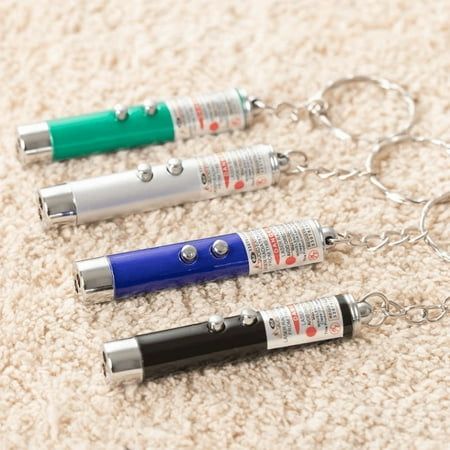
Laser pointers can seem harmless, especially to children and teenagers, because they are often marketed as toys or novelty items. They emit concentrated beams of light that can appear fun to play with, but in reality, they are high-energy light sources capable of causing serious injury. Even brief exposure to a high-powered laser can burn the retina, leading to permanent vision loss, blind spots, or distorted vision. The eye is extremely sensitive to light, and the retina cannot repair itself after thermal or photochemical damage.
According to experts, children and adolescents are particularly at risk because they may not understand the danger and are more likely to experiment with lasers in unsafe ways. In this case, the Tasmanian teenager was simply “playing” with the laser pointer, unaware that pointing it into his eye could have irreversible consequences. Lasers are not harmless toys, and safety precautions are absolutely essential.
Dr. Armitage explained that, after a laser burn, the affected area of the retina can form scars, which block light from being processed correctly. Depending on the severity of the burn, this can lead to permanent blind spots or a significant reduction in central vision. In this boy’s case, he lost 75% of his vision — a life-changing impairment. Even with modern ophthalmic care, including glasses, lenses, or corrective surgery, the damage is irreversible because the retinal cells do not regenerate once destroyed.
Parents, educators, and caregivers must understand that laser pointers, especially high-powered ones, are dangerous and should never be used as toys. Children should never handle lasers unsupervised, and any exposure should be taken seriously. Warning labels and manufacturer instructions must always be followed, and high-powered lasers should be stored securely out of children’s reach.
The Australian Broadcasting Corporation also reported that incidents like this are increasing worldwide, as high-powered laser pointers become more accessible online and in stores. Even brief exposure — a few seconds of shining a laser into the eye — can lead to serious and permanent vision problems. Many children are drawn to these devices because of the bright light and novelty, but they lack the awareness of the risks.
Dr. Armitage also compared laser-induced eye damage to damaging film in a camera. “Once the retina is burned, it’s like burning the photographic film,” he said. “Even if you have the best lenses or glasses, you will never regain the quality of vision that was lost. The tissue cannot grow back.” This is why laser eye injuries are considered one of the most severe types of preventable accidents.
In addition to retinal burns, lasers can cause secondary eye problems, such as inflammation, increased sensitivity to light, and long-term visual distortions. Even small burns in the macula, the central part of the retina responsible for sharp vision, can make reading, recognizing faces, and performing daily tasks extremely difficult. Children and teenagers who experience such injuries often require lifelong adjustments to manage their vision loss.
Experts recommend strict supervision of children around any laser device, avoiding direct eye contact, and never pointing lasers at mirrors, reflective surfaces, or other people. Schools, sports clubs, and families should educate children about the dangers of lasers, emphasizing that even short-term exposure can be catastrophic.
This case serves as a stark warning to all parents and guardians. High-powered lasers, even ones sold as toys or novelty items, are not safe for unsupervised use. The consequences of misuse are immediate and often irreversible. Families should store these devices securely, educate children about the risks, and always monitor any usage carefully.
In summary, laser pointers are not toys. The Tasmanian teenager’s loss of 75% of his vision demonstrates just how quickly and severely these devices can damage eyesight. Parents must take the risks seriously, supervise their children, and prevent access to high-powered lasers. Once retinal damage occurs, vision cannot be restored, and even corrective lenses will not help. Awareness and prevention are the only ways to protect young people from these life-altering injuries.
This incident also highlights the importance of public education regarding laser safety. Children, teens, and even adults must be informed about the potential dangers and the irreversible nature of retinal injuries. Parents must remember that something as seemingly harmless as a laser pointer can permanently affect a child’s quality of life, making it critical to enforce strict rules and supervision.
By taking these precautions and spreading awareness, similar tragedies can be prevented. Every parent, teacher, and guardian should take note: laser pointers are not toys, and the consequences of misuse can be devastating and permanent.