















High blood pressure—also known as hypertension—is often called the “silent killer” for a reason. It rarely causes obvious symptoms, yet it significantly increases the risk of life-threatening conditions like heart disease, stroke, and kidney failure. According to global health statistics, high blood pressure is a leading contributor to cardiovascular-related deaths, causing over 1,100 deaths every single day.
What’s perhaps most alarming is that the majority of these deaths are preventable. We now have access to highly effective and affordable treatments for managing blood pressure, yet only about 44% of people with hypertension actively monitor or manage their condition.
Whether you’ve just been diagnosed or have lived with high blood pressure for years, there are three important facts you must know. These insights could not only help you live longer, but also improve your quality of life dramatically.
1. Monitoring Your Blood Pressure at Home Is More Accurate Than You Think
Many people—including healthcare professionals—believe that the most reliable way to measure blood pressure is during a doctor’s visit. However, recent research challenges this assumption.
Why clinic measurements can be misleading
Multiple studies have shown that up to 65% of blood pressure readings taken by doctors are inaccurate. This inaccuracy is often due to several factors:
White coat syndrome (where anxiety around doctors causes elevated readings)
Improper cuff size or positioning
Talking during measurement
Not resting before the reading
In contrast, home blood pressure monitoring tends to provide a more realistic picture of your cardiovascular health, especially if done consistently and correctly.
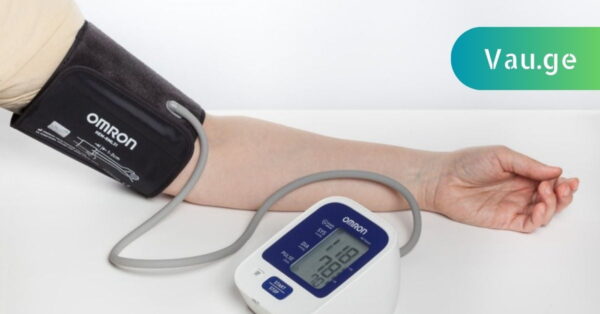
Best practices for measuring your blood pressure at home
To get the most accurate results:
Sit calmly for at least 5 minutes before checking your blood pressure.
Avoid caffeine, alcohol, and smoking at least 30 minutes before the reading.
Place your arm on a flat surface at heart level.
Keep your feet flat on the floor and avoid crossing your legs.
Don’t talk or move while the measurement is in progress.
Use an FDA-approved digital monitor, and take two to three readings at the same time each day (morning and evening are ideal), recording the results to share with your doctor.
2. Taking Blood Pressure Medications at Night May Be More Effective
For decades, it was widely believed that blood pressure naturally rises throughout the day, making morning medication the logical choice. However, recent studies have revolutionized this view.
The surprising benefits of evening medication
A landmark clinical trial published in recent years found that taking blood pressure medications at bedtime was not only more effective at lowering nighttime blood pressure, but it also significantly reduced the risk of heart attacks, strokes, and heart failure.
Here’s why: Our bodies follow a natural circadian rhythm, and blood pressure doesn’t stay constant throughout the day. In fact, most cardiovascular events occur in the early morning hours, when blood pressure surges upon waking. Taking medication at night helps blunt this spike and keeps blood pressure in check during the most vulnerable hours.
Important exception: Diuretics
There’s one critical exception—diuretics (often called “water pills”). These medications work by helping your body eliminate excess sodium and water through urination. Taking them at night may disrupt your sleep due to frequent trips to the bathroom.
If you are on a diuretic, it’s better to take it in the morning, and reserve other blood pressure medications for evening use, as advised by your doctor.
Always consult your physician
Before changing the timing of your medication, talk to your healthcare provider. The best time to take your medication can depend on the specific drug, your lifestyle, and your personal health history.
3. If Managing Blood Pressure Is Difficult, It Could Be a Hormonal Issue
Not all cases of high blood pressure are caused by diet or lifestyle. In some people, the real issue may lie deeper—in their hormones.
The hidden role of aldosterone
Aldosterone is a hormone produced by the adrenal glands. Its primary job is to regulate salt and water balance, which in turn influences blood pressure. Excess aldosterone causes the body to retain salt and water, leading to elevated blood pressure.
For many years, aldosterone-related hypertension was considered rare. However, recent studies suggest that as many as 20% of people with resistant hypertension—that is, high blood pressure that doesn’t respond to medication—may have elevated aldosterone levels.
The problem: underdiagnosis
Shockingly, only 1 in 1,000 hypertensive patients are actually tested for aldosterone imbalances. This leaves millions of patients undiagnosed, potentially being treated with the wrong medications.
If your blood pressure remains high despite multiple medications and lifestyle changes, ask your doctor about aldosterone testing. Treatment may include mineralocorticoid receptor antagonists, a different class of drugs that specifically target hormonal causes.
Lifestyle Changes Matter—More Than You Might Think
While medications can be life-saving, your daily habits are the true foundation of long-term blood pressure control. In some cases, lifestyle improvements can be as effective—or even more effective—than drugs.
Essential lifestyle changes:
Regular physical activity – Aim for at least 30 minutes of moderate exercise (such as brisk walking) five days a week. Exercise strengthens the heart and helps it pump blood more efficiently, lowering pressure in the arteries.
Healthy diet – Embrace the DASH diet (Dietary Approaches to Stop Hypertension), which focuses on:
Fruits and vegetables
Whole grains
Lean proteins
Low-fat dairy
Low sodium (ideally under 2,300 mg/day)
Limit salt and processed foods – Most dietary salt comes from packaged and restaurant foods. Cooking at home gives you better control.
Reduce alcohol – No more than one drink per day for women and two for men, if at all.
Lose excess weight – Even losing 5–10 pounds can significantly reduce blood pressure if you’re overweight.
Quit smoking – Smoking damages blood vessels and accelerates the progression of hypertension-related complications.
Manage stress – Chronic stress contributes to high blood pressure. Try relaxation techniques like deep breathing, meditation, or yoga.
Take Control of Your Health
High blood pressure is not a life sentence. With the right information, consistent habits, and support from healthcare providers, it can be monitored, controlled, and even reversed in some cases.
Here’s what you can start doing today:
Monitor your blood pressure at home
Review your medication timing with your doctor
Consider hormone testing if blood pressure remains high
Commit to healthy lifestyle choices daily
Small changes lead to big results over time. High blood pressure doesn’t have to define your life—but ignoring it might shorten it.