















Ingrown toenails are a common yet painful condition where the edge of a toenail grows into the surrounding skin, causing inflammation, swelling, and sometimes even infection. This condition can affect anyone and often results from wearing tight shoes, improper nail trimming, or injury to the nail area.

While medical intervention is recommended for severe cases, many people have found relief through time-tested natural remedies that can be safely used at home. Folk medicine offers several effective solutions for treating ingrown toenails, particularly in the early stages. These methods not only help relieve discomfort but also aid in reducing inflammation, softening the skin, and preventing infections.
In this article, we’ll explore some of the most popular and accessible natural remedies you can try at home, including honey, eucalyptus oil, and garlic. These ingredients are widely known for their healing properties and can be found in almost every kitchen or local store.
1. Honey – A Natural Antibacterial and Skin Softener
Honey is not only a delicious natural sweetener but also a powerful healing agent. Rich in minerals, enzymes, and antibacterial compounds, honey has been used for centuries in traditional medicine to treat wounds, infections, and skin conditions.
When applied to the affected area, honey helps:
Prevent bacterial growth
Soothe inflamed skin
Soften the skin tissue around the nail
Accelerate the healing process
How to use honey for ingrown toenails:
Take a small amount of raw, organic honey (preferably unfiltered).
Gently apply it to the area where the nail is growing into the skin.
Leave it on for about 30 minutes.
Rinse the area with lukewarm water and pat dry.
Repeat this treatment twice a day until the inflammation subsides and the nail grows out correctly.
This method is simple, safe, and suitable for people of all ages. Honey is a readily available household item and serves as a gentle yet effective treatment for mild to moderate ingrown toenails.
2. Eucalyptus Oil – Anti-inflammatory and Pain-Relieving
Eucalyptus essential oil is widely recognized for its anti-inflammatory, antiseptic, and pain-relieving properties. Derived from the leaves of the eucalyptus tree, this essential oil can help reduce swelling, disinfect the affected area, and relieve the pain caused by an ingrown nail.
Instructions for use:
Soak a clean cotton ball or pad in eucalyptus essential oil.
Apply it directly to the affected toe, making sure the oil is in contact with the inflamed skin.
Let it sit for 30 minutes. Alternatively, you can use the soaked cotton as a compress by wrapping it onto the toe with a bandage and leaving it for 2 hours.
Repeat this daily until the area is no longer swollen or painful.
Make sure to use a high-quality, skin-safe eucalyptus oil. Avoid contact with eyes or mucous membranes. Always perform a patch test before using any essential oil if you have sensitive skin.
3. Garlic – A Natural Antimicrobial and Skin Softener
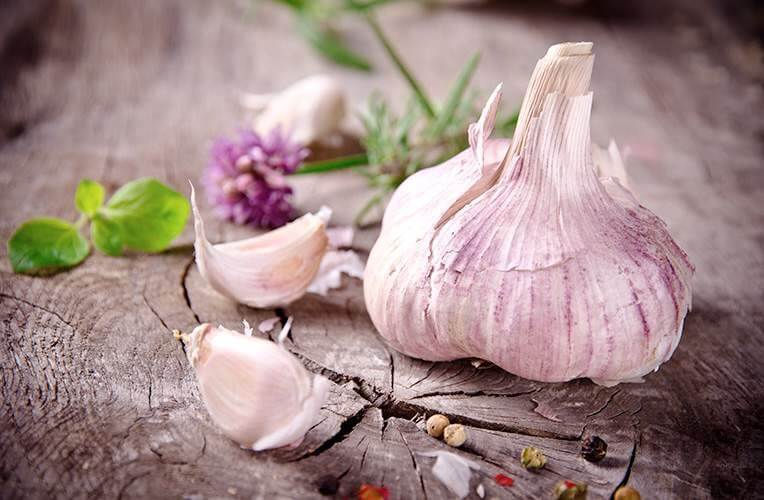
Garlic is known not only for its culinary uses but also for its powerful medicinal properties. It contains a compound called allicin, which has potent antibacterial, antifungal, and anti-inflammatory effects. Garlic can help:
Prevent infection
Soften the surrounding skin
Reduce swelling and redness
How to use garlic for ingrown toenail treatment:
Crush 1–2 cloves of fresh garlic to create a paste.
Apply the paste directly to the inflamed area.
Optionally, add a few drops of olive oil to the paste to enhance its moisturizing and healing properties.
Cover the area with a gauze or bandage to hold the paste in place.
Leave it on for at least 4 hours, then rinse with cold water and dry the area thoroughly.
Repeat this remedy once a day until the nail grows out correctly and symptoms improve.
Garlic is a potent remedy, but its strong smell might be a downside for some people. However, its benefits often outweigh the inconvenience.
Important Notes and Final Tips
While these natural remedies can be very effective, it’s important to follow proper hygiene during the treatment process:
Always clean your hands and feet before applying any remedy.
Use sterile tools when trimming the nail.
Wear open-toed or loose-fitting shoes to avoid additional pressure on the toe.
Don’t try to forcefully remove the nail yourself – this can worsen the condition or cause further injury.
If you notice severe swelling, pus, or the pain intensifies despite home treatments, consult a healthcare provider. In some cases, ingrown toenails require medical intervention, including partial nail removal or antibiotics if an infection is present.
Why Choose Natural Remedies?
Natural remedies like those mentioned above are easy to prepare, cost-effective, and often carry fewer risks than over-the-counter medications. Many of these ingredients are already available in your kitchen or pantry, making them convenient for immediate use. In addition, these treatments not only target the physical symptoms but also nourish the skin and support overall foot health.
About Lui.ge – Your Trusted Source for Natural Health Solutions
At Lui.ge, we are dedicated to providing you with practical tips and natural solutions for your health, self-care, and everyday needs. Our goal is to make your daily life easier, healthier, and more enjoyable with remedies and recipes that are safe, effective, and budget-friendly.
Our platform focuses on sharing knowledge about natural healing methods that have been passed down for generations. Whether you’re looking to improve your skin, strengthen your hair, relieve pain, or find alternative treatments for common ailments – Lui.ge is here to help.
The best part? You don’t need expensive products or professional services to feel better. Many of the solutions we offer can be done right at home using simple ingredients found in your kitchen or garden.
Our advice is not meant to replace medical treatment but to offer supportive care that can make a difference in your well-being. Always consult a healthcare provider if you’re dealing with a serious or persistent condition.
Conclusion
Ingrown toenails can be painful and bothersome, but with the right care and patience, they can be managed at home using natural remedies. Honey, eucalyptus oil, and garlic are just a few examples of how nature provides effective tools for healing.
By incorporating these methods into your routine and practicing good foot hygiene, you can alleviate discomfort and promote healing—without costly treatments or prescriptions. Embrace the power of nature, and let your body heal gently, naturally, and safely at home.
For more tips and trusted natural remedies, visit Lui.ge — where health, beauty, and simplicity come together.








































