












For centuries, long before the development of modern pharmaceuticals, people turned to nature and their cultural heritage for healing. Folk medicine, also known as traditional or herbal medicine, consists of remedies passed down from generation to generation. Rooted in ancient wisdom and observation, many of these practices remain in active use today — not only in rural communities but also among those who seek more natural approaches to health.
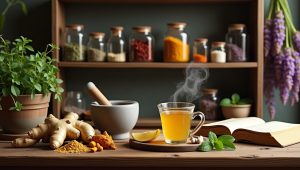
In this article, we’ll explore 15 of the most widely used folk medicine remedies that continue to play an important role in holistic and home-based healing around the world. These remedies are used for a variety of conditions ranging from colds and digestive problems to pain relief and immune support.
1. Honey and Lemon for Sore Throat and Cough
One of the most time-tested remedies for a sore throat or persistent cough involves the combination of honey and lemon in warm water. Honey has antibacterial and soothing properties, while lemon provides vitamin C and helps break down mucus. Drinking a mixture of the two in warm water can provide immediate relief and boost your immune system.
2. Ginger Tea for Nausea and Indigestion
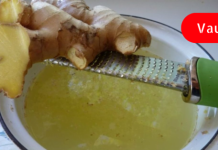
Ginger has been used for thousands of years to relieve digestive discomfort, nausea, and motion sickness. Ginger tea, made by boiling fresh ginger root in water, is a go-to remedy for bloating, stomach cramps, and even morning sickness. It stimulates saliva, bile, and gastric enzymes, aiding digestion and calming the stomach.
3. Garlic for Immune Support and Infections
Raw garlic is known for its powerful antimicrobial, antifungal, and antiviral properties. In folk medicine, it is often crushed and consumed raw or infused in oil to help fight colds, flu, or even minor infections. Garlic also supports cardiovascular health by lowering cholesterol and improving circulation.
4. Chamomile Tea for Anxiety and Insomnia
Chamomile, a daisy-like herb, is a favorite remedy for promoting relaxation and sleep. Folk healers have long recommended chamomile tea to calm the nervous system, reduce anxiety, and ease symptoms of insomnia. It is also believed to aid digestion and soothe an upset stomach.
5. Cabbage Leaves for Swelling and Inflammation
Used in Eastern European and Balkan traditions, cabbage leaves have been applied to swollen joints, bruises, or even inflamed breasts during breastfeeding. The leaves are slightly crushed and wrapped around the affected area, where they draw out fluid and reduce pain and inflammation.
6. Salt Water Gargle for Sore Throat
This age-old remedy involves gargling with a solution of warm water and salt to relieve sore throats, reduce inflammation, and kill bacteria. It’s a simple, cost-effective treatment that is still recommended by many doctors today.
7. Apple Cider Vinegar for Digestion and Detoxification
Apple cider vinegar (ACV) has been a staple in folk medicine for its ability to improve digestion, balance pH levels, and flush toxins from the body. A common use is drinking a tablespoon of ACV diluted in water before meals to prevent acid reflux and promote better digestion.
8. Turmeric for Pain and Inflammation
Turmeric, especially in Ayurvedic and South Asian traditions, is renowned for its anti-inflammatory and antioxidant properties. Its active compound, curcumin, helps manage pain from arthritis, muscle injuries, and even skin conditions. It’s consumed as a tea, in warm milk (“golden milk”), or applied topically.
9. Onion for Earaches and Colds
In some folk traditions, a small piece of warm onion is placed near the opening of the ear to relieve earaches. Onion’s antimicrobial compounds are believed to reduce infection and soothe discomfort. Onions are also used in chest compresses to help relieve congestion during colds.
10. Peppermint for Headaches and Nausea
Peppermint oil or tea is widely used to alleviate headaches, nausea, and muscle tension. The menthol in peppermint has a cooling effect and promotes better blood flow. Applying diluted peppermint oil to the temples can ease headaches within minutes.
11. Aloe Vera for Burns and Skin Irritation
Aloe vera gel, extracted from the leaves of the aloe plant, is an ancient remedy for skin burns, rashes, and irritations. It cools the skin, reduces inflammation, and accelerates healing. It is still widely used today in both commercial skincare products and homemade remedies.
12. Eucalyptus Steam for Congestion
Inhalation of steam infused with eucalyptus oil is a popular folk remedy for colds and respiratory issues. Eucalyptus acts as a natural decongestant and anti-inflammatory, helping to clear the sinuses and soothe irritated airways.
13. Baking Soda for Indigestion and Insect Bites
Baking soda has a long history in folk medicine as a treatment for heartburn and insect bites. A small amount dissolved in water can neutralize stomach acid. When made into a paste with water, it can relieve itching and irritation from bug bites and stings.
14. Hot and Cold Compresses for Muscle Pain
Alternating hot and cold compresses is a traditional method to manage sore muscles, sprains, or joint pain. Heat increases blood flow and relaxes muscles, while cold reduces swelling and inflammation. This method is still common in physical therapy today.
15. Mustard Plaster for Chest Congestion
A mustard plaster is an old folk remedy used to treat chest colds and bronchitis. A mixture of mustard powder, flour, and water is spread on a cloth and placed on the chest. The warming sensation increases circulation and helps break up phlegm, easing breathing.
Why Folk Remedies Still Matter Today
While modern medicine has made great advances, traditional remedies still hold significant value. Many of these treatments rely on ingredients that are natural, affordable, and easily accessible. They also represent cultural heritage and a deep knowledge of the body’s ability to heal itself with the right support.
However, it’s important to recognize that not all folk remedies are safe for everyone. Individual allergies, chronic conditions, and medication interactions must be taken into account. Always consult a healthcare professional before replacing or combining traditional remedies with prescribed treatments.
Final Thoughts
Folk medicine is not just about healing the body — it’s about connection to history, nature, and the wisdom of those who came before us. These 15 remedies demonstrate how people across cultures and centuries have used simple, natural tools to stay well and treat everyday ailments.
In many cases, science is now catching up to tradition, validating the effectiveness of these ancient practices. Whether you’re treating a cold, calming your nerves, or soothing your skin, chances are there’s a folk remedy that has been helping people do the same for generations.
So, the next time you feel under the weather, consider looking to the past — you may just find the perfect solution waiting in your kitchen cabinet or garden.