














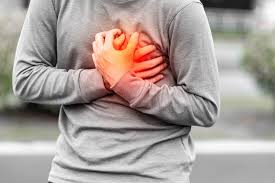
Heart attacks remain one of the leading causes of death worldwide, taking hundreds of thousands of lives each year. According to the latest statistics, over 700,000 people die annually from cardiovascular-related diseases. What makes this especially tragic is the fact that many of these deaths are preventable — not just through emergency medical intervention, but through early detection and simple lifestyle adjustments.
Our bodies are incredibly intelligent systems. They often send clear warning signals when something is wrong — especially when it concerns the most vital organ: the heart. Yet, many of us either ignore these signs or mistake them for minor issues, missing the opportunity to prevent a fatal heart event.
In this article, we’ll explore five crucial signs that a heart attack may be on the horizon. These symptoms often appear weeks — or even a month — in advance, and recognizing them could make all the difference.
1. Unexplained Abdominal Pain
One of the most overlooked signs of an impending heart attack is abdominal discomfort. Many people associate stomach pain with digestion or food sensitivity, but it can also point to heart trouble — especially if it’s paired with other unusual sensations.
Symptoms like:
Bloating
Indigestion
Nausea
Cramping
A feeling of heaviness in the upper abdomen
…can all be early indicators of a looming heart attack.
Stomach pain related to cardiac issues often appears suddenly, and may come and go, making it harder to associate directly with heart problems. Some patients report a recurring dull ache in the upper abdomen that worsens with activity. If you experience this along with other signs, do not dismiss it as gas or fatigue — call emergency services immediately.
2. Shortness of Breath (Dyspnea)
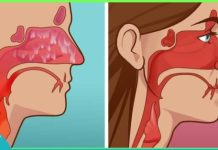
Do you find yourself gasping for air, even after mild physical effort? Does climbing stairs suddenly feel like a workout? You might assume it’s due to weight gain, age, or lack of exercise — but persistent shortness of breath can actually be a strong predictor of heart trouble.
Shortness of breath, also known as dyspnea, may occur up to six months before a heart attack. It happens because your heart struggles to pump enough blood to meet your body’s needs, especially during exertion.
You might notice:
Tightness in your chest or throat
Trouble catching your breath while lying down
Frequent sighing or yawning
Wheezing with no history of asthma
If breathing issues persist for weeks, it’s crucial to seek medical evaluation. A simple test like an ECG or echocardiogram may detect underlying cardiac dysfunction before it’s too late.
3. Sudden Hair Loss or Balding
It might seem strange, but sudden hair loss — particularly on the crown or temples — can be a sign of heart disease, especially in men over 35. Several studies have found that premature balding is linked to high cortisol levels, the stress hormone that affects not only your mental state but your cardiovascular system.
Cortisol can damage blood vessels over time, contributing to atherosclerosis, the narrowing or hardening of arteries — a direct pathway to a heart attack. If you notice a sharp increase in hair shedding, especially combined with high blood pressure or family history of heart disease, it might be time for a cardiovascular checkup.
Hair loss alone isn’t conclusive, but when seen alongside other symptoms, it’s worth further investigation.
4. Tachycardia and Arrhythmia (Irregular Heartbeat)
An erratic heartbeat is one of the most obvious signs that your heart may be in trouble. Tachycardia (rapid heartbeat) and arrhythmia (irregular heartbeat) can feel like your heart is fluttering, racing, skipping beats, or pounding unpredictably.
These symptoms might be:
Occasional and harmless
Triggered by caffeine, stress, or dehydration
Or they might be a red flag for an imminent heart attack
In the hours or days leading up to a cardiac event, you may experience:
Palpitations
Dizziness
Fatigue
Lightheadedness
Fainting spells
If arrhythmias last longer than 2–3 minutes or are accompanied by chest pain or shortness of breath, seek emergency help immediately. They could be signaling an imminent blockage or malfunction in the heart’s electrical system.
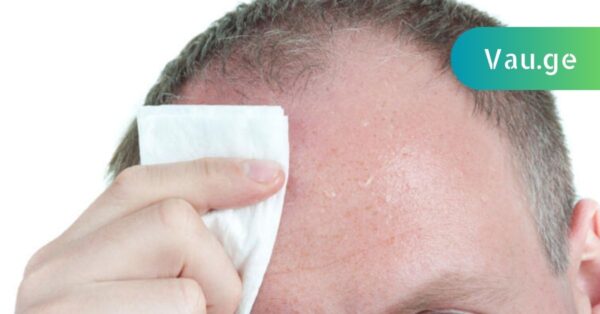
5. Excessive or Unexplained Sweating
Sweating is a natural bodily function, but excessive or cold sweats without obvious physical exertion may indicate that your body is in distress — often related to cardiac issues.
Excessive sweating (especially at night or early morning) can mimic flu-like symptoms, such as:
Clammy skin
Feeling chilled despite warmth
Lightheadedness
Weakness
It is particularly concerning if you wake up with drenched sheets or damp pillows, especially if this is a new or unexplained symptom.
Sweating is your body’s way of coping with reduced blood flow and oxygenation. The nervous system is activated to cool down organs, particularly when the heart is struggling. This is a classic warning sign of myocardial infarction (heart attack).
Why Do People Ignore These Symptoms?
The challenge with these symptoms is that they’re often mistaken for less serious conditions:
Abdominal pain = indigestion
Fatigue = stress or overwork
Palpitations = anxiety
Sweating = hormonal changes
However, when multiple symptoms occur together, your body is not overreacting — it’s warning you. Heart attacks don’t always happen suddenly or dramatically like in movies. In real life, the signs are often subtle and build gradually.
Prevention and Awareness Save Lives
The good news is that many heart attacks can be prevented through early detection, proper diet, exercise, and medical care. If you or a loved one experiences any of the symptoms above — especially in combination — do not ignore them.
Here are some proactive steps to protect your heart:
Get regular blood pressure and cholesterol checks
Maintain a healthy diet low in trans fats and sodium
Exercise at least 30 minutes a day
Manage stress through mindfulness or therapy
Quit smoking and limit alcohol consumption
Stay informed and listen to your body
Final Thoughts
Your heart is not just a muscle — it’s the engine of your body. When it sends out distress signals, whether in the form of shortness of breath, irregular heartbeat, or night sweats, it’s vital to listen and act. These five early warning signs of a heart attack are your chance to prevent a life-threatening event before it happens.
At Lui.ge, we are committed to educating you about health, wellness, and prevention through accessible information and natural solutions. We believe early awareness is the key to a longer, healthier life.
If you experience any combination of these signs, please seek medical attention immediately. It’s better to be safe than sorry — and in the case of heart attacks, early action saves lives.