




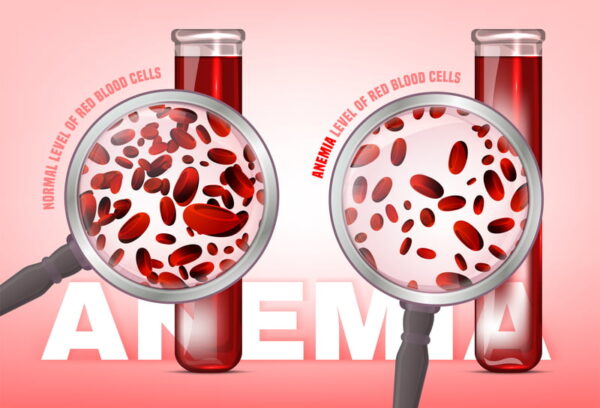
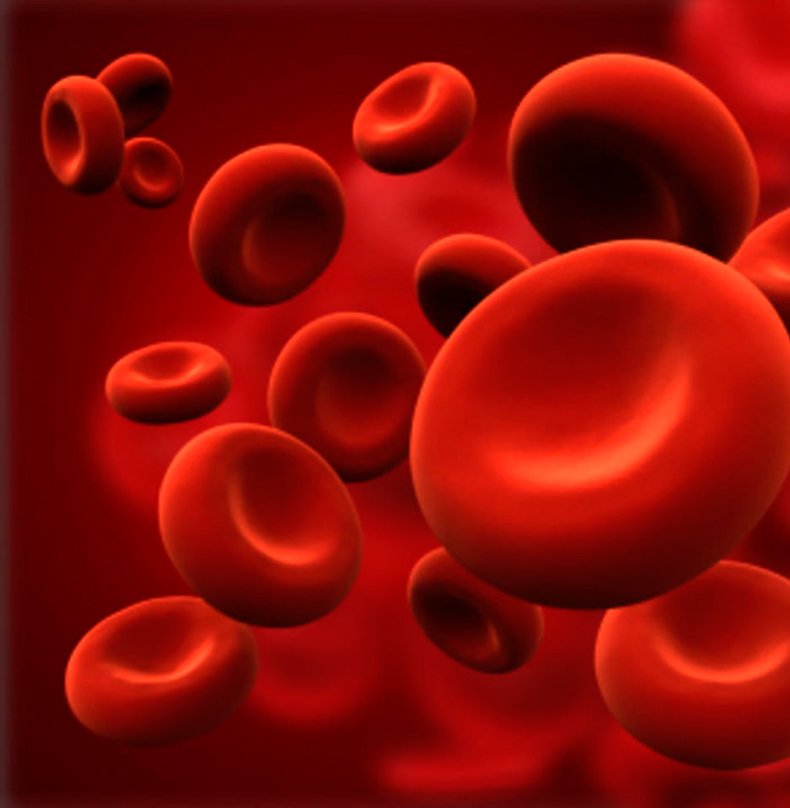
Anemia is a common condition that affects millions of people around the world, often without them even realizing it. It occurs when the level of hemoglobin in the blood drops below the normal range, which reduces the blood’s capacity to carry oxygen to the body’s organs and tissues. Hemoglobin is a vital protein found in red blood cells, and its role is crucial to maintaining overall health, energy, and organ function.
Unfortunately, the early signs of anemia can be subtle and easily mistaken for everyday fatigue or stress. However, ignoring these symptoms can lead to serious health issues over time. Understanding the signs of anemia, and knowing how to treat it through diet and lifestyle, is essential for long-term well-being.
Common Symptoms of Anemia
A significant drop in hemoglobin levels can lead to several physical and psychological symptoms. Some of the most commonly reported signs include:
Chronic Fatigue and Weakness: People with anemia often feel tired, even after getting sufficient rest. The lack of oxygen in the body causes muscles and organs to become sluggish and energy-deprived.
Dizziness or Lightheadedness: As oxygen delivery decreases, the brain may not receive enough supply, leading to frequent dizziness, fainting spells, or mental fog.
Shortness of Breath: Even mild physical activities, like walking or climbing stairs, may cause difficulty breathing due to reduced oxygen in the blood.
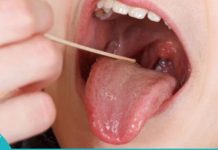
Pale Skin and Mucous Membranes: Anemia can cause the skin to look paler than usual. This is especially noticeable in the inner eyelids, gums, or fingernail beds.
Irritability and Anxiety: Oxygen deficiency can also affect the nervous system, leading to emotional instability, increased sensitivity, and even episodes of panic or stress.
Cold Hands and Feet: Poor circulation caused by anemia can result in a frequent feeling of being cold, especially in the extremities.
Why Anemia Often Goes Undetected
Many people dismiss these symptoms as a result of daily work stress, seasonal mood changes, poor diet, or lack of sleep. In reality, however, these signs may be warning you that your body is struggling due to a lack of iron or other nutrients that support hemoglobin production.
Because these symptoms are so general, anemia often goes undiagnosed for months or even years. The condition can gradually worsen until it starts to interfere significantly with a person’s quality of life. That’s why it’s important to recognize the symptoms early and take action.
Natural and Effective Treatment for Iron Deficiency
In many cases, iron supplements alone are not enough to restore your body’s natural hemoglobin balance. While tablets can help boost iron levels, dietary changes and proper nutrient absorption are equally — if not more — important.
Here are some of the most beneficial iron-rich foods you should include in your diet:
Red Meat – Beef and lamb are among the best natural sources of heme iron, which is more easily absorbed by the body.
Fatty Fish – Fish like salmon and sardines not only provide iron but also omega-3 fatty acids that support heart and brain health.
Vitamin C-Rich Fruits – Citrus fruits, strawberries, kiwis, and bell peppers help enhance iron absorption when eaten with iron-rich foods.
Leafy Green Vegetables – Such as spinach, kale, Swiss chard, and sorrel. These contain non-heme iron, which still plays a significant role in combating anemia.
Legumes – Lentils, peas, and beans are excellent sources of plant-based iron, especially for vegetarians or vegans.
Whole Grains – Oats, brown rice, and fortified cereals can contribute to daily iron intake.
How to Improve Iron Absorption Naturally
Even if you’re eating plenty of iron-rich foods, your body won’t benefit unless you’re also helping it absorb that iron efficiently. Here are a few proven strategies to enhance absorption:
Combine Iron with Vitamin C: Iron is better absorbed in the presence of vitamin C. For example, drinking a glass of fresh orange juice with your morning cereal can make a big difference. Citrus fruits, tomatoes, and bell peppers are great for this purpose.
Be Mindful of Food Preparation: Cooking methods can affect iron availability. Cabbage, for example, is a great source of iron when fresh but loses much of its nutritional value when boiled or overcooked. On the other hand, spinach becomes easier for the body to absorb after it’s lightly steamed or sautéed — cooking increases its bioavailability by up to 55%.
Avoid Iron Blockers: Certain substances can inhibit iron absorption when consumed at the same time. These include:
Tea and coffee (due to tannins)
Dairy products (calcium competes with iron)
High-fiber foods in excess
Antacids and some medications
Try to avoid consuming these items within two hours of iron-rich meals or supplements.
Why You Should Take Iron Seriously
Iron is not just important — it’s essential. Without enough iron, your red blood cells cannot carry oxygen efficiently. This means your brain, muscles, and all vital organs are forced to work under stress. Long-term iron deficiency can lead to:
Severe fatigue
Compromised immune function
Heart complications
Pregnancy complications in women
Decreased performance in school or work
By addressing iron deficiency early, you can prevent these complications and dramatically improve your overall vitality.
More Than Just Food — A Holistic Approach to Recovery
While food is the most natural and sustainable way to treat anemia, your overall lifestyle plays a significant role in your recovery. Consider the following:
Get Regular Exercise – Physical activity stimulates circulation and improves oxygen delivery throughout the body.
Sleep Well – Your body heals and produces red blood cells while you sleep. Aim for at least 7–8 hours of quality sleep per night.
Manage Stress – Chronic stress impacts digestion and nutrient absorption. Mindfulness, relaxation techniques, or even just a daily walk can help reduce stress.
See a Doctor – If your symptoms persist or worsen, consult a medical professional. They may conduct blood tests, check for underlying conditions, or prescribe specific treatment plans tailored to your needs.
Lui.ge – Helping You Improve Your Health Naturally
At Lui.ge, we are committed to offering practical advice on health, self-care, and day-to-day wellness. Our goal is to provide information about natural remedies, home-based treatments, and easy lifestyle changes that help you feel healthier, more confident, and more in control of your life — without spending a fortune.
Much of what you’ll learn from our platform can become part of your daily routine. We encourage you to share your experiences with loved ones, and together we can spread the message of wellness and self-care.
We believe that true beauty and health come from balance — and it doesn’t require expensive procedures or luxury products. Many of the best solutions can be found right in your kitchen or garden.
A Final Note
All the recipes and wellness tips featured on Lui.ge are designed with your safety in mind. However, before trying any new health remedy — especially if you are pregnant, nursing, or dealing with chronic illness — please consult a qualified healthcare professional.
Iron deficiency anemia is treatable and preventable. With awareness, the right foods, and a little care, you can restore your energy and reclaim a vibrant, healthier life.