















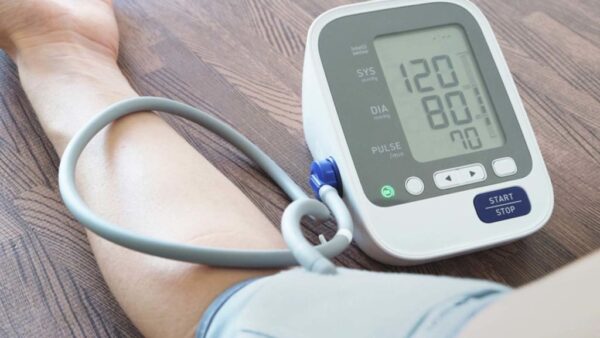
High blood pressure, also known as hypertension, is one of the most significant risk factors for cardiovascular diseases and stroke. Alarmingly, it is the fourth leading cause of death globally, contributing to more than 1,100 deaths every single day. What makes this even more tragic is that the vast majority of these deaths are entirely preventable.
In this article, we’ll explore three crucial facts that everyone with high blood pressure should be aware of — especially those who want to take control of their health, prevent serious complications, and live a longer, healthier life. You’ll also learn simple, affordable ways to manage your blood pressure effectively.
1. High Blood Pressure Can Be Controlled — But Most People Don’t Try
One of the most shocking realities about hypertension is that even though it is manageable and treatable, only about 44% of people diagnosed with high blood pressure take it seriously enough to follow up with proper monitoring and treatment. That means more than half of all hypertensive individuals are either unaware, unmonitored, or untreated — leaving them at risk for stroke, heart failure, kidney damage, and other life-threatening conditions.
It’s important to understand that controlling blood pressure is not a one-time task. It’s something that must be done consistently, every day. Many people make the mistake of ignoring their condition once symptoms lessen or disappear. Unfortunately, hypertension is often called the “silent killer” because it doesn’t always cause noticeable symptoms — until it’s too late.
2. Home Monitoring Is More Accurate Than You Might Think
Traditionally, people — including healthcare professionals — believed that the most accurate way to measure blood pressure was in a clinical setting, such as a doctor’s office or hospital. However, research from recent years tells a different story.
In fact, studies have revealed that up to 65% of blood pressure readings taken in clinical settings are inaccurate. Several factors contribute to this, such as anxiety (often called “white coat syndrome”), recent activity, or improper measuring technique. This means you may get a falsely high or falsely low reading at the doctor’s office.
That’s why home monitoring has become the gold standard for tracking blood pressure over time. Modern digital blood pressure monitors are highly accurate and affordable. But there’s one crucial detail: you must measure your blood pressure correctly.
Before checking your blood pressure:
Sit quietly for at least five minutes
Avoid caffeine, alcohol, and smoking for 30 minutes prior
Rest your arm on a flat surface at heart level
Keep your back supported and feet flat on the ground
By following these simple steps and recording your readings regularly — ideally at the same time every day — you’ll get a clearer picture of how your blood pressure behaves throughout the day and how it responds to lifestyle changes or medication.
3. The Timing of Medication Matters More Than You Think
Most people assume that morning is the best time to take blood pressure medication, and in many cases, that’s true — especially if you’re taking diuretics (water pills) to help eliminate excess fluid and sodium. Taking these in the evening could lead to frequent urination at night, disrupting your sleep.
However, recent scientific studies have shown that taking blood pressure medications at night may be more effective for some patients. This approach, known as chronotherapy, aligns medication timing with the body’s natural circadian rhythms.
Why does this matter? Because blood pressure naturally rises in the morning, peaks in the afternoon, and then decreases during the night. Some people, especially those with uncontrolled hypertension or at higher cardiovascular risk, do not experience this normal nighttime dip — a condition known as non-dipping hypertension. For these individuals, nighttime dosing could:
Provide better 24-hour blood pressure control
Reduce the risk of stroke and heart attack
Lower the chances of developing heart failure
Improve overall cardiovascular outcomes
That said, never change your medication schedule without consulting your doctor. Your healthcare provider can determine the best time to take your medications based on your unique health status and the type of drug you’re prescribed.
Bonus: If Blood Pressure Remains Uncontrolled, Ask About Hormonal Causes
If you’re doing everything right — eating healthy, taking medications, exercising regularly — and your blood pressure is still high, it may be time to investigate other causes. One common but often overlooked reason is a hormone imbalance, specifically involving a hormone called aldosterone.
Aldosterone plays a key role in regulating sodium and potassium levels, which affect fluid balance and blood pressure. When the body produces too much aldosterone, it can lead to a condition known as primary aldosteronism, which causes resistant hypertension.
In the past, this condition was considered rare. But recent research indicates that up to 20% of people with difficult-to-control high blood pressure may actually have elevated aldosterone levels — yet only 1 in 1000 are tested for it. This means thousands of people could benefit from specific treatments but are never diagnosed.
If your blood pressure remains stubbornly high despite treatment, ask your doctor about testing for aldosterone. The test is simple and could significantly change your treatment plan — and your health outcome.
Final Thoughts: Prevention and Lifestyle Changes Are as Powerful as Pills
While medication is often necessary, don’t underestimate the power of lifestyle changes. In fact, for many people, adopting healthier habits can reduce blood pressure as effectively — or more — than a prescription drug.
Here’s what you can start doing today:
Exercise regularly: Aim for at least 30 minutes of moderate activity most days
Eat heart-healthy foods: Focus on fruits, vegetables, whole grains, and low-fat dairy
Limit salt: Keep sodium intake below 2,300 mg per day — or even lower if advised
Reduce alcohol: No more than 1 drink per day for women, 2 for men
Maintain a healthy weight: Even losing 5–10% of your body weight can make a big difference
Manage stress: Try yoga, meditation, or deep breathing exercises
Stop smoking: Every cigarette raises your blood pressure — quitting improves heart health dramatically
Conclusion
High blood pressure isn’t just a number on a screen — it’s a warning sign that your heart, brain, and blood vessels are under strain. But the good news is, you have the power to control it. By understanding the importance of daily monitoring, the timing of your medications, and the potential hormonal factors involved, you can take proactive steps toward a healthier, longer life.
And remember: the journey to better health doesn’t happen overnight. But with consistency, awareness, and support from your healthcare team, you can beat the silent killer — one healthy decision at a time.