









In today’s modern world, we often turn to doctors and specialists whenever something bothers us physically or emotionally — and rightly so. Medical advice is critical, and professional guidance should always be taken seriously. However, what about the minor pains and emotional discomforts that don’t necessarily require medical treatment but still impact our quality of life? In such cases, holistic techniques like Jin Shin Jyutsu, an ancient Japanese art of healing through touch, can offer support in calming the mind, balancing the body, and promoting energy flow.
Among its many practices, Jin Shin Jyutsu includes a unique set of hand and finger exercises rooted in reflexology and energy balancing, which can assist in reducing anxiety, tension, fatigue, and even mild physical pain. These techniques are simple, non-invasive, and can be practiced by anyone, anywhere, at any time — often with surprisingly beneficial results.
Let’s explore how this practice works and how each finger corresponds to particular emotions, organs, and healing intentions.
What Is Jin Shin Jyutsu?
Jin Shin Jyutsu is an ancient Japanese healing art that combines aspects of acupuncture, acupressure, and reflexology, without the use of needles or external tools. It is based on the idea that life energy (also known as Ki or Qi) flows through energy pathways in the body, and that disruptions or blockages in this flow can lead to illness, fatigue, or emotional imbalance.
According to Jin Shin Jyutsu, each finger on the hand corresponds to specific organs and emotions. By gently holding or massaging the fingers, one can harmonize the body’s energy, relieve tension, and support the healing process — physically, emotionally, and spiritually.
The Science Behind the Practice
While Jin Shin Jyutsu is considered a complementary therapy rather than a substitute for medical treatment, research has shown that it can be beneficial. According to reflexologists Barbara and Kevin Kunz, regular finger exercises can positively affect patients’ emotional balance and physical well-being. The University of Minnesota has also conducted studies on reflexology and therapeutic touch, reporting improvements in symptoms such as nausea, anxiety, and fatigue — particularly in cancer patients.
However, it’s important to stress that this technique should never replace medical treatment, especially for serious or chronic conditions. Instead, it can be used as a supportive practice alongside traditional healthcare.
How to Perform the Jin Shin Jyutsu Finger Practice
Here’s how it works:
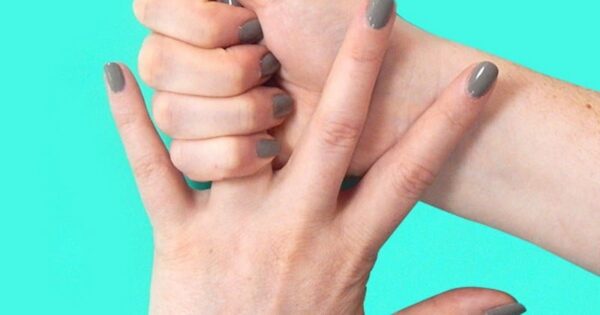
Sit in a relaxed position, breathe deeply, and gently hold one finger at a time with your opposite hand. Apply gentle but firm pressure and hold each finger for 3 to 5 minutes, all while breathing calmly and focusing on the energy flow. Let’s take a closer look at the meaning and benefits behind each finger.
1. Thumb – Worry, Anxiety, and Headaches
The thumb is associated with worry, anxiety, and the stomach and spleen organs. It also affects emotions related to insecurity, depression, and excessive thinking. If you’ve been overthinking, feeling anxious, or experiencing tension headaches, gently holding your thumb can bring calmness.
To try it:
Wrap your opposite hand around your thumb and breathe slowly for 3–5 minutes. Visualize your stress dissolving with each exhale.
Possible benefits:
Reduces anxiety and worry
Relieves headaches
Supports digestion
Calms emotional unrest
2. Index Finger – Fear, Confusion, and Muscle Pain
The index finger is linked to fear, confusion, and the kidneys. Fear can often feel paralyzing — but this simple finger hold can help shift the emotion. According to a study by the University of Minnesota, patients undergoing dialysis reported improvements in their emotional and physical state after gentle hand massage.
To try it:
Hold your index finger with your opposite hand and breathe deeply. Focus on releasing fear and welcoming clarity.
Possible benefits:
Reduces feelings of fear or panic
Helps relieve back and muscle pain
Improves kidney function
Promotes emotional strength
3. Middle Finger – Anger, Irritability, and Fatigue
This finger governs anger, resentment, and frustration, and is also connected to the liver. If you feel annoyed, exhausted, or overwhelmed, giving attention to this finger may help release those pent-up feelings.
To try it:
Gently wrap your hand around the middle finger and breathe. Imagine anger flowing out of your body.
Possible benefits:
Eases anger and irritability
Supports liver health
Reduces fatigue
Brings emotional clarity
4. Ring Finger – Sadness, Negativity, and Digestion Issues
The ring finger is linked with sadness, grief, and a pessimistic outlook. It also relates to the lungs and digestive organs. If you’re struggling with negative thoughts or indigestion, this exercise may help.
To try it:
Hold the ring finger gently. Stay calm and focus on slow, steady breathing.
Possible benefits:
Uplifts mood and emotional state
Supports lung function and breathing
Relieves digestive discomfort
Enhances self-acceptance
5. Little Finger – Low Self-Esteem, Stress, and Nervous Tension
The smallest finger is deeply connected to nervous tension, low self-esteem, and the heart and small intestine. It is especially useful for people who struggle with confidence or high levels of stress.
To try it:
Hold your little finger, close your eyes, and forget everything else. Feel your heartbeat slow and your breath deepen.
Possible benefits:
Reduces emotional and nervous stress
Supports heart function
Increases self-worth
Soothes emotional trauma
6. Palm – Nausea, Emotional Trauma, and Tension Release
In reflexology, the palm of the hand holds immense importance. It is believed to represent the core of a person’s energy system. Placing one palm over the other and taking deep breaths can help restore inner balance and calm the nervous system.
To try it:
Place one hand gently over the center of the opposite palm. Take 3 to 5 deep breaths, focusing on relaxation.
Possible benefits:
Eases nausea
Relieves physical tension
Helps in centering thoughts
Grounds emotional energy
How This Practice Helps
Each person may respond to this technique differently, but regular practice has been shown to benefit cancer patients, according to the University of Minnesota. They observed reduced symptoms of nausea, diarrhea, and constipation with routine use of reflex-based exercises.
Additionally, regular use of this technique has been linked to improved blood circulation and increased relaxation. Some even find that it enhances their meditation practice and improves sleep.
Final Thoughts: Healing Is in Your Hands
While nothing can replace professional medical care, practices like Jin Shin Jyutsu empower individuals to take an active role in their emotional and physical healing. These finger exercises are gentle, accessible, and profoundly calming when practiced consistently.
Whether you’re feeling emotionally overwhelmed, physically tense, or simply want to reconnect with your body in a peaceful way, this ancient method offers a path forward — one hand at a time.
So the next time life feels a little too much, pause for a few minutes, hold your hand, breathe deeply, and let your body do what it was designed to do: heal itself.