














On the shelves of some stores, you can still notice a brown bar of traditional laundry soap. It is very inexpensive, especially compared to modern detergents, liquid cleaners, and branded hygiene products. At first glance, it may seem outdated and far less competitive than contemporary cleaning agents that promise instant results and pleasant fragrances. However, once you learn more about this simple product, your opinion may completely change.
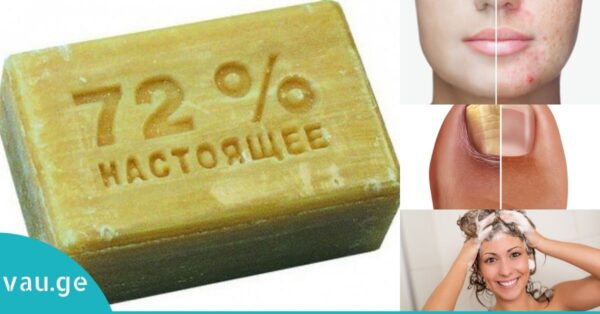
Laundry soap has been used for generations. Before the rise of chemical-based household products, it was a staple item in almost every home. It was valued not only for washing clothes but also for a wide range of practical and even medicinal purposes. While today it may appear modest and old-fashioned, its properties and versatility make it surprisingly useful.
What Do the Numbers on Laundry Soap Mean?
You may have often wondered what the numbers printed on laundry soap bars—72%, 70%, 65%—actually mean. These percentages indicate the amount of fatty acids contained in the soap. Fatty acids are responsible for its cleansing power. The higher the percentage, the more effective the soap is at removing dirt, grease, and certain types of bacteria.
A soap marked 72% generally has stronger cleaning properties than one marked 65%. This makes it especially suitable for tough stains and heavy-duty cleaning tasks. Understanding this detail helps consumers choose the right product for their needs.
Advantages of Laundry Soap
Laundry soap has many qualities that modern products often lack. One of its biggest advantages is its natural composition. Traditional laundry soap is made from vegetable and animal fats, without complex synthetic additives. Because of this, it is often considered environmentally friendly and biodegradable.
Another important benefit is that it is hypoallergenic. It usually does not contain artificial fragrances, dyes, or harsh chemicals that can irritate sensitive skin. For this reason, it is commonly recommended for washing baby clothes and bedding. After washing, the leftover water can even be used for watering plants, making it a more sustainable choice.
Use for Hair Care
Interestingly, laundry soap has also been traditionally used for hair care. First, you wash your hair with regular shampoo to remove surface dirt. Then, you apply laundry soap to cleanse the scalp more deeply. According to traditional advice, over time, thin and weak hair may become thicker and stronger. It is also believed to help eliminate dandruff.
However, it is important to note that laundry soap has a high pH level and may dry out the scalp if used too frequently. Therefore, if someone chooses to try this method, it is wise to follow up with a moisturizing conditioner or natural oil treatment.
Wound and Skin Care
Some people may have heard about another well-known use of laundry soap: washing minor cuts and scratches. Because it has antibacterial and antiseptic properties, it has traditionally been used to clean wounds and help prevent infection. Its hypoallergenic nature makes it less likely to cause irritation compared to some chemical antiseptics.
In certain cases of gynecological infections, traditional remedies also recommend using diluted laundry soap for hygiene purposes. However, medical consultation is strongly advised before using any such method.
For general skin cleansing, it is recommended to wash with laundry soap no more than twice a week. Since it can be drying, applying a moisturizing lotion or baby cream afterward is essential to maintain skin balance.
Cold Symptoms
If you experience the first symptoms of a cold, traditional remedies suggest dissolving laundry soap in water, soaking a cotton swab in the solution, and gently applying it inside the nostrils. It is believed that after two or three applications, the cold symptoms may reduce. While this method has been passed down through generations, modern medical advice should always be considered.
Animal Bites and Scratches
In the case of a dog or cat bite or scratch, traditional practice suggests allowing a small amount of blood to flow from the wound, then washing the area thoroughly with laundry soap. Because of its antibacterial properties, it may help reduce the risk of infection. Nevertheless, animal bites can be serious and may require professional medical treatment, including vaccinations.
Fighting Fungal Infections
Laundry soap is also believed to help fight fungal infections. The affected area should be gently washed with a sponge and soap, then treated with iodine. Its cleansing properties may support hygiene in such cases.
Burns and Post-Depilation Care
Applying laundry soap to minor burns is another traditional method. It may help reduce redness and the burning sensation. Similarly, after depilation, washing the skin with laundry soap is said to calm irritation and prevent inflammation.
Acne and Skin Breakouts
Laundry soap is sometimes used in homemade treatments for acne and skin breakouts. To prepare such a remedy, grate a small amount of soap, add water, and create foam using a brush. Take one tablespoon of the foam and mix it with one teaspoon of salt. Apply the mixture to the face and leave it on for 20 minutes before rinsing thoroughly.
You may feel slight itching during the process, but traditional advice claims the results are worth it. This procedure can be repeated two to three times a week for two weeks. Since facial skin is sensitive, it is crucial to monitor for irritation and discontinue use if discomfort occurs.
Antibacterial and Antiseptic Properties
Due to its composition, laundry soap possesses antibacterial and antiseptic qualities. For this reason, it continues to be used in certain medical settings for sanitation purposes. Its simple formula makes it reliable for basic hygiene and cleaning.
Practical and Affordable
One of the most attractive features of laundry soap is its affordability. In a world where household and cosmetic products can be expensive, this simple brown bar offers multiple uses at a very low cost. It demonstrates that effective solutions do not always require high-end branding or complex chemical formulas.
Join the Folk Medicine Community
Join our public folk medicine group to receive helpful tips about health and self-care. Sharing knowledge and experiences helps more people discover simple and practical ways to improve daily life.
About Vau.ge
Vau.ge is a platform that provides advice about health, personal care, and everyday activities. Our goal is to share information about natural remedies and recipes that may help improve your health, enhance your beauty, and simplify your daily routine. Most importantly, you can do all of this at home, enjoy the process, and save a significant amount of money.
Much of the information you learn from our site can become part of your everyday habits. You can share your experience with family and friends, helping even more people make their lives easier. Vau.ge demonstrates that expensive procedures and products are not always necessary to be healthy, beautiful, and an excellent homemaker. You can achieve desirable results at home using simple ingredients commonly found in your kitchen or garden.
The recipes and advice published on Vau.ge are not intended to harm your health. However, before using any treatment or remedy, it is recommended to consult a doctor. Responsible self-care means combining traditional knowledge with professional medical guidance.
In conclusion, laundry soap may appear simple and outdated, but its versatility, affordability, and natural composition make it a valuable household product. From cleaning clothes to supporting hygiene and traditional remedies, it has earned its place in many homes. While modern science should always guide serious health decisions, this humble bar of soap continues to prove that sometimes the simplest solutions are the most remarkable.








































