















Lately, plastic (polyethylene) bottles have become more than just containers—they are now often carried as everyday accessories. Many of us are aware that staying hydrated is essential for our health, which is why we carry water bottles wherever we go. However, researchers warn that reusing the same plastic bottle multiple times can be harmful to our health, and this is an issue that deserves careful attention.
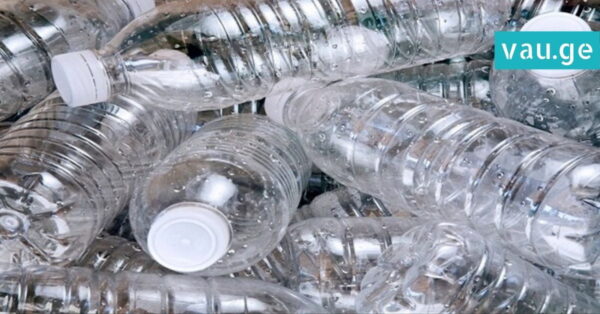
Plastic bottles create an ideal environment for bacteria to grow. When bottles are repeatedly used and not properly sanitized, microorganisms can multiply quickly, leading to potential health risks. Many people mistakenly believe that rinsing a bottle with hot water is enough to clean it, but this is actually a serious error. Most disposable plastic bottles are made from polyethylene terephthalate, commonly known as PET. While PET is sturdy enough for single use, it cannot withstand repeated exposure to high temperatures. When exposed to heat—such as hot water, sunlight, or even warm beverages—these bottles can release harmful chemicals into the water.
One of the primary concerns with reusing plastic bottles is the leaching of substances such as antimony and bisphenol A (BPA). Antimony is a metalloid used in the production of PET, and even small amounts can be toxic over time. BPA, which is sometimes used in certain types of plastic, is a well-documented endocrine disruptor, meaning it can interfere with hormone function in the body. Regular ingestion of water contaminated with these chemicals may increase the risk of hormone-related issues, metabolic disorders, and even certain types of cancer.
Additionally, scratches and microcracks that develop on the inner surface of a reused plastic bottle provide a perfect hiding place for bacteria and fungi. Everyday handling, exposure to moisture, and the natural oils from our hands create conditions where pathogens can thrive. Drinking from a bottle that contains harmful bacteria can lead to gastrointestinal issues, including nausea, diarrhea, and infections, especially in children, the elderly, and individuals with weakened immune systems.
Even if you rinse a plastic bottle thoroughly, it is extremely difficult to remove all microbial growth from the microscopic crevices that form after repeated use. Over time, the risk of contamination increases exponentially. Scientists and public health experts therefore recommend that single-use plastic bottles should only ever be used once. The convenience of reusing them is outweighed by the potential health risks associated with chemical leaching and bacterial contamination.
The environmental angle is also significant. While single-use plastic bottles pose a serious environmental problem, health experts emphasize that the priority should be safety first. Instead of repeatedly reusing disposable bottles, it is better to invest in bottles made from eco-friendly materials such as stainless steel, glass, or BPA-free plastic specifically designed for repeated use. These alternatives are more durable, resistant to heat, and less likely to leach harmful chemicals, making them safer for long-term use.
Glass bottles are non-reactive and do not release any chemicals into the water, regardless of temperature. They are easy to clean and, when used properly, can last for many years. Stainless steel bottles are another excellent option: they are robust, lightweight, and maintain water temperature effectively. Many modern reusable bottles also include silicone seals and caps, ensuring that no water leaks and minimizing bacterial growth if cleaned properly.
For those who still prefer plastic, only certain types of reusable plastics, such as high-density polyethylene (HDPE) or polypropylene (PP), are designed to withstand multiple uses safely. Even then, it is crucial to inspect the bottle regularly for cracks, discoloration, or unusual smells, and to clean it thoroughly after each use. Using a bottle beyond its recommended lifespan increases the risk of chemical contamination and bacterial growth.
Another factor to consider is heat exposure. Leaving a plastic bottle in a hot car, near a heater, or in direct sunlight can accelerate the leaching process. The combination of heat and repeated use amplifies the risk of chemicals migrating into the water, making it unsafe to drink. Experts advise storing bottles in cool, shaded areas and using containers appropriate for their intended purpose.
Children are particularly vulnerable to the dangers of reused plastic bottles because their developing bodies are more sensitive to chemical exposure and bacterial infections. Parents are advised to provide children with bottles specifically designed for safe repeated use and to avoid giving them water from disposable bottles that have already been used. Schools and daycare centers should also educate children on the importance of hygiene and the risks associated with reusing plastic containers.
Ultimately, the safest approach is to follow a few simple rules:
Single-use plastic bottles: Use them only once and recycle them properly afterward. Do not attempt to reuse disposable bottles, even if they appear clean.
Reusable bottles: Invest in bottles made from stainless steel, glass, or safe BPA-free plastics that are designed for multiple uses.
Cleaning: Wash reusable bottles thoroughly with hot water and soap after each use. Some bottles are dishwasher safe, which can help reduce microbial growth.
Storage: Avoid exposing bottles to heat, direct sunlight, or prolonged periods of moisture, as these conditions increase the risk of chemical leaching and bacterial growth.
Inspection: Regularly check your bottles for signs of wear, scratches, or odors, and replace them if any damage is detected.
By following these guidelines, you protect yourself and your family from potential health risks while still staying hydrated. Water is essential for life, but the container you use matters just as much as the water itself. Choosing the right type of bottle and using it responsibly ensures that you benefit from clean, safe water without exposing yourself to harmful chemicals or bacteria.
In summary, the modern convenience of plastic bottles comes with hidden dangers. They may appear harmless, but reusing them can expose your body to toxic chemicals and harmful microorganisms. Researchers strongly recommend that disposable plastic bottles be used only once. For long-term safety, consider switching to eco-friendly, durable, and chemically safe bottles made from glass, stainless steel, or certified reusable plastics. Taking these precautions helps protect your health, reduces the risk of contamination, and ensures that every sip of water is safe, clean, and truly beneficial for your body.
The simple takeaway: never reuse a disposable plastic bottle, and always prioritize safe alternatives for your daily hydration needs. Your health depends on it.
If you want, I can also create a step-by-step visual guide showing which bottles are safe to reuse and which should only be used once, making it easier for families to adopt these safety measures.








































