











Corns and calluses are thickened areas of skin that develop as a protective response to repeated pressure or friction. On the feet, they are often caused by tight, ill-fitting shoes, while on the hands, they can develop due to improper physical exertion, unusual or heavy manual labor, working without gloves, or playing stringed instruments. Even flat feet (pes planus) can contribute to the problem because uneven pressure on the foot causes certain areas of the skin to harden and respond with callus formation.
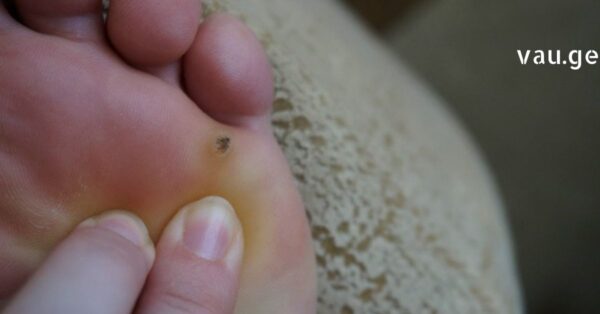
If corns regularly appear on your feet, even without intense or continuous work, it is important not to ignore them. In addition to proper daily care and attention to your skin, you should consult a dermatologist. A professional can perform the necessary examinations, determine underlying causes, and recommend appropriate preventive and treatment measures. Early intervention can prevent complications and make management much easier.
Immediate Actions to Help Corns and Calluses
One of the most effective natural treatments for affected skin areas is a warm nettle bath. Nettle contains compounds that help soften hardened skin and reduce inflammation.
Nettle Bath Instructions:
Take 2 tablespoons of crushed nettle leaves.
Pour 1 liter of warm water over the leaves.
Let the mixture steep to create a healing infusion.
Soak the affected feet or hands in the bath for 10–15 minutes.
After soaking, rinse with cold water to close the pores and refresh the skin.
After the bath, apply a nourishing, fatty ointment to the affected areas and gently massage. Wear soft cotton socks or gloves, and always use the most comfortable, loose-fitting shoes to avoid further irritation.
Onion Peel in Vinegar
Another effective remedy involves onion soaked in vinegar:
Peel and chop an onion.
Soak the onion pieces in vinegar for two weeks.
Apply a 1.5 cm thick layer of the onion on the corn at night.
Cover with a cloth and leave it overnight.
Repeat this process several times until the corn gradually disappears. It is important to note that the effectiveness of this method depends on the quality of the vinegar. This is an old traditional remedy with proven results over generations.
Lemon Peel Treatment
Before bedtime, soak your feet in hot water for a few minutes to soften the skin. Dry them thoroughly and then place a small piece of lemon peel directly on the corn. The natural acidity of lemon helps break down hardened skin. Repeat this daily for 4–5 days, and the corn should begin to shrink and eventually disappear.
Fresh Onion Application
Fresh onion is rich in sulfur compounds and natural enzymes that help soften calluses and promote healing:
Take a fresh onion, peel it, and cut it in half.
Place the onion halves in a cup of vinegar and leave them in a dark place for 24 hours.
Remove the onion and place thin onion slices on the corn twice daily — once in the morning and once in the evening.
Wrap the area with a soft cloth to hold the onion in place.
Prune in Milk Remedy
Prunes are another natural option for treating corns. Boil black prunes in milk, remove the pits, and while still warm, apply them directly to the corn. Replace with a new warm prune application once the first one cools. Continue this process until the corn softens and disappears. This method is gentle, natural, and effective over time.
Important Considerations
If a corn is neglected, it can worsen, forming blisters filled with serous fluid. Such “moist” corns require careful treatment. Before draining the blister, it is essential to disinfect the area with alcohol, and if necessary, sterilize the needle used to open it. Neglecting proper care can lead to infection or prolonged discomfort.
Daily attention to corns, combined with natural remedies, can prevent complications and improve skin health. Remember, prevention is key. Always wear well-fitted shoes, avoid excessive pressure on feet and hands, and maintain proper skin hygiene.
Additional Tips for Healthy Skin and Preventing Corns
Moisturize Regularly: Dry skin is more prone to callus formation. Use natural creams or oils, such as coconut oil, olive oil, or shea butter, to keep the skin soft.
Exfoliate Gently: Use a pumice stone or foot file on hardened areas after soaking to remove dead skin layers.
Wear Protective Gear: Gloves for manual work or cushioned insoles for shoes can significantly reduce friction and pressure.
Adjust Footwear: Shoes should be comfortable, spacious, and provide proper arch support to prevent uneven pressure.
Maintain Foot Hygiene: Wash your feet daily, keep nails trimmed, and check for early signs of corns or calluses.
Natural Ingredients and Their Benefits
Onion: Rich in sulfur compounds, enzymes, and antioxidants; softens hardened skin and fights bacteria.
Vinegar: Contains natural acids that dissolve toughened skin and restore the natural pH of the skin.
Lemon: Its citric acid helps break down calluses and promote smoother skin.
Nettle: Anti-inflammatory and healing properties that reduce irritation and soften the skin.
Prunes in Milk: Gentle, nourishing, and effective in gradually reducing callus thickness.
These remedies are safe, natural, and have been used for generations. They are particularly helpful for people who prefer traditional methods over chemical treatments and want to take a holistic approach to skin care.
Final Thoughts
Corns and calluses are a common but manageable problem. With proper care, consistent use of natural treatments, and preventive measures, you can reduce discomfort, soften hardened skin, and prevent future formations. Traditional remedies such as onion, lemon, vinegar, nettle baths, and prune applications are effective, affordable, and safe for home use.
By incorporating these natural methods into your daily routine, you protect your skin, improve circulation, and reduce the risk of complications. Don’t wait for the pain or hardness to worsen — start caring for your feet and hands today. With patience and consistent care, corns and calluses can be successfully treated and prevented.