















Your Bed Is Full of Mites: Everything You Need to Know – What Are They Afraid Of and How to Get Rid of Them
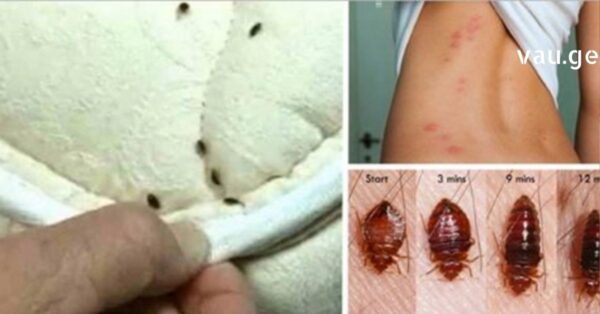
Estimating how many dust mites inhabit your bed can be difficult. On average, a typical mattress can house anywhere from 10,000 to over a million mites. Even in a clean bed, these microscopic creatures are present in significant numbers. Dust mites feed primarily on dead skin cells shed by humans and pets, and they thrive in warm, humid environments. Although it is virtually impossible to completely eliminate all dust mites from your bed, there are effective ways to minimize their population and reduce their impact on your health.
Why Dust Mites Are a Problem
Dust mites themselves do not bite or directly transmit diseases, but their feces, shed body parts, and secretions can trigger allergic reactions and respiratory problems. People sensitive to dust mites may experience:
Sneezing and runny nose
Itchy, watery eyes
Skin rashes or eczema
Asthma flare-ups
Congestion and coughing
It is estimated that a single bed may harbor over 1.5 million dust mites, feeding on dead skin cells and sweat produced during sleep. At night, your body can release up to a liter of sweat, creating an ideal environment for mites to thrive. Regular exposure to these mites increases the risk of allergies and can aggravate asthma in susceptible individuals.
The Role of Bedding in Mite Infestation
If you do not have anti-allergy bedding, a more affordable alternative is to use protective anti-allergy covers for pillows and mattresses. These covers act as a barrier between you and the dust mites living in your bedding, reducing direct contact and minimizing exposure to allergens.
Many people make the mistake of immediately making their bed after waking up. While this may keep your room looking neat, it traps millions of dust mites under the covers in a warm, humid environment. Mites feed on the dead skin cells and sweat trapped in your bedding, allowing their population to grow rapidly. Over time, this can exacerbate allergy symptoms and increase the likelihood of asthma attacks.
Instead, it is far healthier to leave your bed open for a period after waking. This allows air circulation and sunlight to dry out the mattress and bedding, which can destroy many dust mites naturally. Exposing your bedding to sunlight and fresh air is one of the simplest and most effective ways to reduce mite populations.
Expert Recommendations
According to Caroline Fortes, director of a laboratory specializing in cleaning and allergens, while it is true that beds are home to dust mites, proper handling can significantly reduce their numbers. She advises:
Eat breakfast before making your bed so that you can leave the bedding open to air out and dry.
Wash sheets and pillow covers at least once a week.
Dr. Steven Pretlow from Kingston University adds:
“We know that mites survive by drawing moisture from the air and small glands on the surface of the body. Drying the bed during the day removes humidity from the bedding and mattress, dehydrating the mites and ultimately killing them.”
Tips for Reducing Mite Populations
Leave Your Bed Open – Allow fresh air and sunlight to reach your bedding daily. Exposure to sunlight not only dries the bedding but also destroys many dust mites.
Wash Bedding Regularly – Sheets, pillowcases, and blankets should be washed weekly in hot water (at least 60°C / 140°F) to eliminate mites and their allergens.
Vacuum Mattresses and Furniture – Use a vacuum with a HEPA filter to clean the mattress, pillows, carpets, and upholstered furniture. Vacuuming removes dead skin cells, dust, and mites.
Use Anti-Allergy Covers – Mattress and pillow encasements create a protective barrier, preventing mites from entering and reducing allergen exposure.
Control Humidity – Dust mites thrive in humidity above 50%. Using air conditioning or a dehumidifier in the bedroom helps make the environment less hospitable.
Replace Old Bedding – Over time, mattresses and pillows accumulate dust mites. Consider replacing them every 8–10 years.
Avoid Feather Bedding – Traditional down pillows and comforters provide an ideal habitat for mites. Use hypoallergenic synthetic bedding to reduce their growth.
Declutter Your Bedroom – Minimizing unnecessary items such as plush toys, decorative pillows, and excess textiles reduces dust accumulation, which is the mites’ primary food source.
Steam Clean When Possible – Steam cleaning your mattress, curtains, and upholstery can kill mites without chemicals.
Natural Repellents – Essential oils like tea tree, eucalyptus, or lavender may help repel dust mites. Spray diluted solutions on bedding and furniture, but avoid direct skin contact to prevent irritation.
The Importance of a Hypoallergenic Pillow
Since people spend around eight hours a day on their pillow, it should be soft, comfortable, and free from allergens. Feather pillows and traditional down comforters are unfortunately ideal environments for dust mites. These items trap moisture, provide a food source, and promote mite proliferation. Hypoallergenic pillows and bedding, on the other hand, are less inviting to mites, creating a safer and healthier sleep environment.
Daily Habits for Mite Prevention
Avoid making your bed immediately after waking up. Allow the mattress and sheets to air out.
Maintain clean bedding and replace it regularly.
Use synthetic or hypoallergenic pillow and mattress covers.
Control bedroom humidity and temperature.
Minimize clutter to reduce dust accumulation.
Health Benefits of Proper Mite Management
Following these practices reduces the risk of allergic reactions, asthma flare-ups, and skin irritations. Sleeping in a well-ventilated, mite-free environment can improve overall sleep quality and respiratory health. Moreover, these measures are simple, natural, and cost-effective, requiring no harsh chemicals or extreme measures.
By combining proper bedding hygiene, the use of protective covers, and exposure to sunlight and fresh air, you can significantly reduce the number of dust mites in your bed. Over time, this will lead to a healthier, more comfortable sleeping environment and protect you and your family from the adverse effects of allergens.
Your bed may be home to millions of tiny creatures, but with a consistent cleaning routine, careful bedding choices, and proper ventilation, you can control their population and enjoy safe, restful sleep.








































