














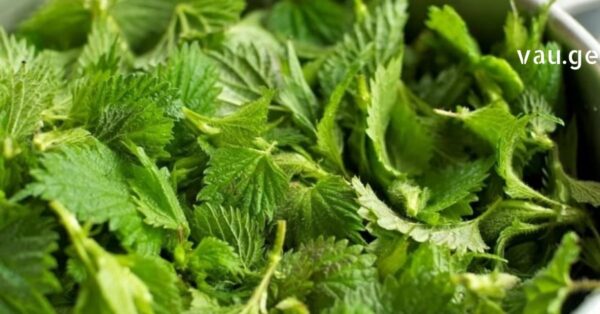
Nettle (Urtica dioica) is a remarkable plant recognized for its extraordinary medicinal qualities, and nettle broth has been valued for centuries as a natural remedy for a wide range of ailments. One of the most distinctive features of the plant is its leaves and stems, which are covered with tiny stinging hairs. When touched, these hairs break and release a liquid containing formic acid, causing a sharp, burning sensation on the skin. While this reaction might seem unpleasant, it is a signal of the plant’s potent bioactive compounds, which contribute to its extensive therapeutic benefits.
Historically, nettle has been used in both traditional and classical medicine. The famous physician Avicenna wrote: “The well-fed leaves of nettle stop bleeding from the nose,” highlighting its early reputation as a hemostatic, or blood-stopping, herb. By the 16th century, nettle leaf decoctions were widely used to manage bleeding from the lungs, gastrointestinal tract, and uterus. However, by the early 20th century, its use had declined somewhat in mainstream medicine.
During the Second World War, the demand for hemostatic agents surged, and researchers remembered the value of nettle. Scientists developed a liquid extract of nettle leaves, which was then used in hospitals to control bleeding. Modern science confirms that nettle’s blood-stopping properties are largely due to its high vitamin K content. Vitamin K is crucial for blood clotting and is found in significant amounts in only a few plants, including nettle, spinach, and chestnut leaves.
In addition to vitamin K, nettle contains up to 200 mg of vitamin C per 100 grams, carotene, B vitamins, and various organic acids. These nutrients contribute to its broad-spectrum health benefits. Nettle is recommended for the prevention and treatment of numerous conditions, including:
Anemia: Nettle’s rich iron content helps improve hemoglobin levels and supports overall blood health.
Hemorrhoids: Its anti-inflammatory and astringent properties help reduce swelling and bleeding.
Bleeding disorders: Nettle can help control uterine, gastrointestinal, pulmonary, kidney, and nasal bleeding.
Joint disorders: Anti-inflammatory compounds in nettle support the treatment of arthritis, rheumatism, and general joint discomfort.
Wound healing: Nettle promotes faster recovery from cuts, burns, and skin infections.
Digestive issues: Effective for colitis, constipation, liver anomalies, and biliary tract disorders.
Metabolic disorders: Supports healthy metabolic processes and may help regulate blood sugar in diabetes.
Respiratory conditions: Nettle is beneficial for bronchitis and other pulmonary issues.
Menstrual irregularities: Helps normalize menstrual cycles and alleviate associated discomfort.
Rickets and calcium-related conditions: Provides minerals necessary for bone health.
Uterine involution: Supports postpartum recovery.
Gum and throat health: Nettle’s antibacterial properties help maintain oral and throat hygiene.
How to Prepare Nettle Infusion
The preparation of nettle broth or infusion is simple yet highly effective:
Take 1 tablespoon of finely chopped dried or fresh nettle leaves.
Pour 1 cup of boiling water over the leaves.
Let the mixture steep for 10 minutes, then strain.
Consume 1 tablespoon of the infusion three times daily.
Bulgarian researchers have noted that nettle positively affects metabolic processes. Consequently, regular consumption of nettle infusion is recommended for conditions such as anemia, atherosclerosis, rheumatism, liver and bile duct disorders, hemorrhoids, constipation, digestive disturbances, and to improve lactation in nursing mothers.
Why Nettle Is So Unique
Nettle stands out in the natural world because it combines multiple therapeutic effects in one plant. Its rich nutrient profile—vitamins, minerals, antioxidants, and bioactive compounds—supports blood health, strengthens the immune system, and improves the body’s resistance to disease. The plant’s hemostatic effect alone has made it invaluable for centuries, while its anti-inflammatory, detoxifying, and restorative properties make it a versatile remedy for a wide range of chronic and acute health problems.
Traditional and Modern Applications
In traditional medicine, nettle has been used to treat both internal and external conditions. Internally, it improves circulation, strengthens the blood, and enhances liver and kidney function. Externally, it has been applied to heal wounds, alleviate eczema, and soothe skin irritations. Nettle leaves, when brewed as a tea or infusion, provide a mild tonic effect that improves energy, supports the body’s natural defenses, and promotes overall wellness.
Modern research supports many of these claims. Studies show that nettle extracts have anti-inflammatory, antioxidant, and antimicrobial properties. They help protect cells from oxidative damage, improve hemoglobin production, and support metabolic and hormonal balance. Additionally, its high vitamin and mineral content supports healthy bones, joints, and connective tissues.
Practical Tips for Using Nettle
Always use clean, fresh, or properly dried leaves to ensure maximum potency.
Avoid handling fresh nettle without gloves to prevent skin irritation from the stinging hairs.
Store dried nettle in a cool, dark place in an airtight container to preserve its therapeutic qualities.
Nettle can be combined with other herbs such as chamomile, mint, or lemon balm to enhance flavor and complementary effects.
Conclusion
Nettle broth is truly a rare natural phenomenon due to its extensive medicinal properties. From promoting blood health and supporting the immune system to aiding digestion, regulating metabolism, and assisting in wound healing, nettle has earned its place as one of the most versatile and valuable medicinal plants in nature. Its centuries-long use, backed by both traditional wisdom and modern scientific research, confirms its effectiveness and safety when used properly. By integrating nettle infusions or broths into your daily routine, you can harness the plant’s remarkable healing potential and improve your overall health.
For those interested in natural remedies and holistic wellness, nettle infusion is an indispensable addition to a healthy lifestyle. Its ability to support multiple bodily functions simultaneously—blood, liver, kidney, skin, joints, and digestion—makes it a uniquely comprehensive remedy. Incorporating this simple yet powerful plant into your daily routine may help maintain optimal health, enhance immunity, and contribute to long-term vitality.








































