














I’m Shocked! – An Ointment Made from Egg and Acetic Acid (Vinegar) Turns Out to Be Ideal for Treating Fungal Infections – Anyone Can Prepare This at Home!
Before sharing this recipe, it is important to clarify something: fungal infections are common medical conditions that should be properly diagnosed and treated. While many traditional remedies circulate online and in folk medicine, not all of them are supported by scientific evidence. If you suspect a fungal infection, especially one that persists or worsens, it is always best to consult a dermatologist or healthcare professional. The information below describes a traditional home remedy and should be approached with caution.
Fungi are natural inhabitants of our skin and mucous membranes. Under normal conditions, they do not cause disease. For this reason, they are considered opportunistic microorganisms. An opportunistic pathogen only becomes harmful when certain favorable conditions arise — such as weakened immunity, excessive moisture, or damage to the skin barrier.
What Types of Fungal Infections Affect the Skin?
There are many different causative agents of fungal skin diseases. Most commonly, we encounter superficial mycoses (fungal infections), which affect the upper layer of the skin. These include:
• Epidermophytosis – infections affecting the outer layer of the skin
• Trichomycoses – fungal infections affecting hair
• Onychomycoses – fungal infections of the nails
In addition to superficial infections, there are also deeper mycoses, though they are less common and usually require systemic medical treatment.
What Conditions Contribute to the Development of Fungal Skin Infections?
The development of fungal infections is influenced by multiple internal (endogenous) and external (exogenous) factors.
Endogenous factors include:
• Excessive sweating
• Chronic skin diseases
• Long-term treatment with corticosteroids
• Weakened immune system
• Hormonal imbalances
Exogenous factors include:
• Direct contact with an infected person or contaminated surface
• Warm and humid environments
• Wearing tight or synthetic clothing that traps moisture
• Poor hygiene or prolonged dampness (for example, sweaty shoes)
Fungi thrive in moist, warm conditions, which is why infections commonly occur between toes, under nails, in skin folds, or in areas covered by tight clothing.
Now, let us move to the preparation of the ointment. This traditional recipe is considered very simple, and according to those who use it, anyone can prepare it at home.
Ingredients Needed:
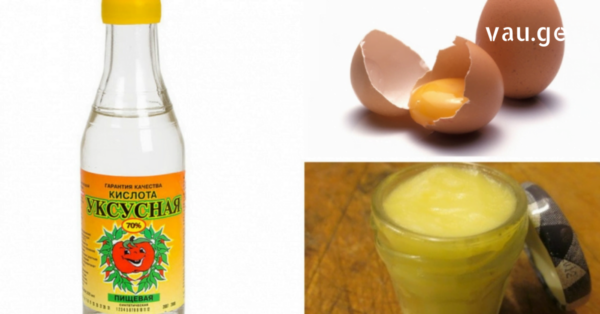
• One whole egg
• 70% acetic acid (concentrated vinegar essence)
• Petroleum jelly (Vaseline)
Preparation Method:
Take a small glass jar (approximately 200–250 grams in size). Wash the egg thoroughly with water and dry it. Place the whole egg inside the jar without breaking it — do not remove the shell.
Pour enough 70% acetic acid into the jar to completely cover the egg. Close the lid tightly and leave the jar in a cool, dark place for 3–4 days.
During this time, a chemical reaction will occur. The acetic acid gradually softens and dissolves the eggshell. After several days, the shell will resemble the texture of a boiled egg and may appear to “disappear,” leaving only a thin membrane around the egg.
After 3–4 days, carefully remove the egg from the liquid. The remaining acetic acid is no longer needed and should be discarded safely.
Peel away the thin membrane surrounding the egg. Place the softened egg (including both the white and the yolk) into a bowl. Mash it thoroughly and pass it through a sieve to create a smooth, paste-like consistency.
Next, add petroleum jelly gradually — approximately 1–2 teaspoons — until the mixture reaches an ointment-like consistency. Stir thoroughly until smooth. Your ointment is now ready.
Some people suggest using butter instead of petroleum jelly. However, butter may stain clothing and spoil more quickly. Petroleum jelly is usually preferred because it is stable, less likely to stain, and provides a protective barrier on the skin.
How to Use the Ointment:
For foot fungus or nail fungus (onychomycosis), apply the ointment to the affected skin areas or nails twice daily — in the morning and evening — until recovery.
If using for joint pain, arthritis, or arthrosis (as suggested in some traditional practices), massage the ointment into the painful areas.
According to proponents of this remedy, results can be noticeable with consistent use. However, individual results may vary, and fungal infections often require several weeks or months of consistent treatment.
Important Safety Considerations:
This ointment contains acetic acid residue, which may produce a strong odor. During application, you may experience mild irritation or a burning sensation in the eyes or respiratory tract due to the smell. Therefore, it should be applied in a well-ventilated area.
Because of the acidic component, the ointment may dry out the skin or cause peeling. Do not be alarmed if mild dryness occurs. You can apply a regular nourishing or moisturizing cream during the course of treatment to maintain skin hydration.
However, if you experience severe burning, redness, blistering, or skin damage, discontinue use immediately and consult a healthcare professional.
Store the ointment in a cool place and keep it tightly sealed. Avoid contact with eyes and mucous membranes.
Medical Perspective and Caution:
It is very important to understand that modern medicine offers proven antifungal treatments, including topical creams (such as clotrimazole or terbinafine) and oral antifungal medications for more severe infections. These treatments are clinically tested and regulated for safety and effectiveness.
Concentrated acetic acid (70%) is a strong chemical that can cause burns if misused. Direct skin exposure to high concentrations can be harmful. For this reason, caution is strongly advised.
Fungal infections of the nails, in particular, are often difficult to treat and may require prescription medication. Self-treatment without diagnosis can delay proper care and potentially worsen the condition.
Final Thoughts:
While traditional remedies like the egg and vinegar ointment have been passed down through generations and may seem simple to prepare, they should be used carefully and responsibly. Natural does not always mean safe.
If you are dealing with persistent fungal infections, worsening symptoms, diabetes, immune disorders, or spreading lesions, seek professional medical advice.
Home remedies may sometimes support mild cases, but your skin and nails deserve safe and evidence-based care. Always prioritize your health and safety above experimentation.








































