














Traditional medicine has long valued natural remedies for supporting digestive health, strengthening immunity, and restoring balance in the body. Among the most widely used medicinal plants are garlic and dill. These simple, everyday ingredients have been used for centuries in various cultures to improve stomach and intestinal function, normalize metabolism, and protect against infections. Knowing when and how to use them properly can make a significant difference in their effectiveness.
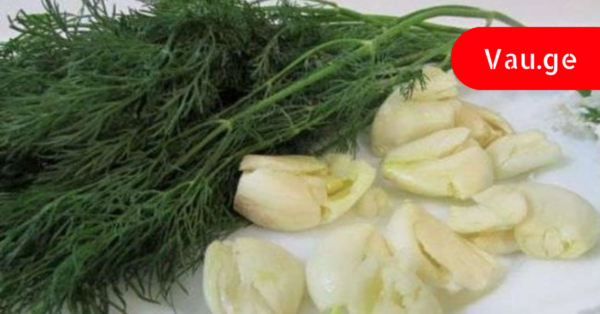
Garlic for Digestive and Overall Health
Garlic has always been considered one of the most powerful natural remedies. For the normalization of gastrointestinal and pancreatic function, traditional medicine recommends consuming small amounts of garlic regularly. In cases of gastritis with low stomach acidity, it is often advised to eat 2–3 cloves of garlic three times a day — at breakfast, lunch, and dinner.
Garlic stimulates digestive secretions, enhances appetite, and promotes better digestion. It supports the production of gastric juices, which is especially helpful when stomach acidity is reduced. Additionally, garlic improves intestinal motility and helps prevent fermentation processes in the digestive tract.
Because of its strong diuretic, diaphoretic, and powerful bactericidal properties, garlic has also been used traditionally in cases of flu, tonsillitis, and dysentery. Its natural antibacterial compounds, such as allicin, are known for combating harmful microorganisms while supporting the immune system.
External Uses of Garlic
Garlic is not only taken internally but also applied externally in various forms — as a paste, juice, ointment, or water infusion. These preparations have traditionally been used for:
Slowly healing wounds
Tonsillitis
Runny nose
Trichomonas colpitis
Seborrhea
Garlic paste can be applied locally to affected areas due to its antimicrobial and anti-inflammatory effects. However, it should always be diluted appropriately to prevent skin irritation.
How to Prepare Garlic Water Infusion
To prepare a garlic infusion:
Crush 2–3 cloves of garlic.
Pour 1 cup (about 200 ml) of boiling water over them.
Let the mixture steep for 40–60 minutes.
Strain before use.
For enemas, 5–6 cloves of garlic may be used per cup of boiling water. However, such procedures should only be done cautiously and preferably under professional guidance.
Important Precautions
Garlic is considered a potentially allergenic product. Individuals prone to allergies should use it carefully and start with very small amounts. Excessive consumption may irritate the stomach lining, especially in people with ulcers or high acidity gastritis. Moderation is key.
When Can Children Start Consuming Garlic?
Children can be introduced to garlic starting from 9–10 months of age, but only in cooked form and as part of meals. From the age of three, small amounts of raw garlic can also be offered, provided the child tolerates it well.
Garlic for Viral Protection
Traditional medicine offers numerous recipes using garlic for protection against viral infections. One popular recipe is as follows:
Add the juice of 1 lemon to 500 grams of honey.
Add the juice of 2 heads of garlic.
Mix thoroughly.
Folk healers claim that taking 1 tablespoon daily of this mixture helps protect against viral infections and strengthens immunity. While the taste may be quite strong, many believe it is worth trying during cold and flu season.
Dill – An Ancient Herbal Remedy
Dill is another plant widely used in folk medicine, particularly for digestive disorders. Ancient Egyptians reportedly used dill for headaches, and throughout history it has been valued for its calming and digestive-supporting properties.
Dill contains essential oils, vitamin C, carotene, and anise acid. These components contribute to its mild antispasmodic, carminative, and soothing effects. Dill helps reduce bloating, relieve intestinal cramps, and support proper digestion.
Dill Herb Infusion
To prepare a dill herb infusion:
Pour 200 ml of boiling water over 1 tablespoon of dried dill herb.
Let it steep for 20 minutes.
Strain before use.
Take half a cup three times daily, 30 minutes before meals. This infusion is traditionally recommended for stage I–II hypertension, as dill may help gently reduce blood pressure due to its vasodilating properties.
Dill Herb Powder
Dry the herb slightly and chop it finely to prepare a powder. Take half a teaspoon three times daily before meals in cases of gastrointestinal disturbances. Dill powder can help regulate digestion, relieve bloating, and reduce discomfort caused by indigestion.
Dill Seed Infusion
To prepare a seed infusion:
Pour 400 ml of boiling water over 2 teaspoons of dill seeds.
Let steep for 20 minutes.
Strain before use.
Drink half a cup three times daily, 30 minutes before meals, for insomnia and nervous excitability. Dill seeds have mild calming properties and can help relax the nervous system while also supporting digestion.
Combined Benefits for the Stomach
Both garlic and dill contribute to improved digestive function but work in slightly different ways. Garlic primarily acts as an antimicrobial, digestive stimulant, and immune booster. Dill, on the other hand, soothes the digestive tract, reduces spasms, and relieves gas formation.
When used appropriately and in moderation, these plants can:
Improve appetite
Stimulate digestive enzymes
Reduce bloating and gas
Support healthy gut microflora
Strengthen immunity
Promote detoxification processes
However, it is important to remember that natural remedies should complement, not replace, professional medical care. Individuals with chronic gastrointestinal diseases, ulcers, pancreatitis, or severe liver conditions should consult a healthcare provider before using concentrated garlic preparations.
Final Thoughts
Garlic and dill remain two of the most accessible and affordable natural remedies available in nearly every kitchen. Their therapeutic potential has been recognized for centuries, and modern research continues to explore their bioactive compounds and health benefits.
Used wisely — in proper form, dosage, and timing — these plants may significantly support stomach health, digestive balance, and overall well-being. Whether consumed as part of daily meals, prepared as infusions, or used in traditional mixtures, garlic and dill offer valuable natural support for the body.
Wishing you good health!








































