















How Easy It Is to Get Rid of Fungal Infections Without Expensive Medications – This Is Now Possible Using This Simple Ingredient!
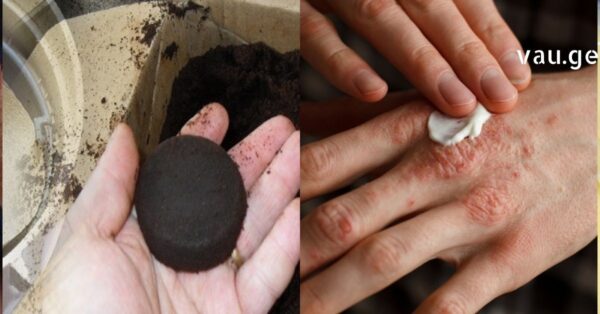
Fungal infections of the skin are among the most common dermatological conditions and can be caused by various types of fungi. Understanding how to prevent fungal growth, knowing the contributing factors for such infections, and recognizing the symptoms early is crucial for effective management and treatment. Fungal infections, if left untreated, can spread and cause chronic discomfort, so taking proactive measures is essential.
Fungi are natural inhabitants of our skin and mucous membranes and normally do not cause disease. Because of this, they are considered opportunistic pathogens—they only cause infections under certain favorable conditions. This means that a normally harmless fungus can become pathogenic if the environment becomes conducive to its growth.
There are many different types of fungal infections affecting the skin. The most common are superficial mycoses, which affect the upper layers of the skin (epidermis), hair (trichomycoses), or nails (onychomycoses). In some cases, deeper infections may occur, but these are less frequent. Superficial fungal infections are particularly widespread and can affect anyone, especially under specific conditions that encourage fungal proliferation.
Several factors can contribute to the development of fungal infections. Endogenous factors include excessive sweating, chronic skin conditions, prolonged use of corticosteroids, and other health issues that compromise the skin’s natural defenses. Exogenous factors are those related to the environment, such as direct contact with infected surfaces or individuals, humid and warm conditions, wearing tight or synthetic clothing, and other external exposures. Almost all fungal infections thrive in moist and warm environments, and some species particularly prefer oily conditions, making areas of friction and sweat ideal for their growth.
Fungal infections can appear anywhere on the body, but they often develop in natural folds and creases of the skin where moisture and warmth accumulate. These areas include the armpits, groin, and the spaces between fingers and toes. Individuals who frequently wear closed shoes, gloves, or work in humid conditions are at higher risk. For this reason, maintaining good hygiene and ensuring that skin remains dry and ventilated is critical in preventing fungal outbreaks.
A common symptom of fungal infection is splitting, cracking, or discoloration of the nails. If you notice such signs, it is often indicative of a fungal infection, which requires careful attention and treatment. While many people turn to expensive antifungal medications, there are natural methods that can be equally effective. One surprisingly simple and highly effective remedy involves using coffee—yes, coffee!
Natural, ground coffee can serve as a therapeutic bath for fungal infections. The method is simple: buy pure, unflavored coffee and prepare a bath using the coffee grounds. You should do this at least three times a day: in the morning, after returning home from work, and at night before going to sleep. Boil the coffee as usual, allow it to cool, and pour it into a basin. Wait until the grounds settle at the bottom. Then soak your hands or feet in the liquid, allowing the active compounds in coffee to act on the affected areas. After soaking, rinse the skin with clean water. This natural coffee bath, when applied consistently for a month, can completely eliminate the fungal infection and promote the growth of healthy new nails, without any need for medication.
The effectiveness of coffee in treating fungal infections is attributed to its natural antifungal and antioxidant compounds. Coffee contains substances that can inhibit fungal growth while simultaneously improving blood circulation to the affected areas. This promotes faster recovery of damaged tissues and reduces inflammation caused by the infection. Coffee also has a mild exfoliating effect, which helps remove dead skin cells that may harbor fungal spores, thus preventing re-infection.
In addition to its direct antifungal effect, coffee baths can help improve the overall health of the skin. The warmth of the bath opens pores and enhances the absorption of active compounds, while antioxidants in coffee reduce oxidative stress and strengthen the skin’s immune response. This holistic approach not only treats the fungal infection but also restores the skin’s natural barrier function, making it more resistant to future infections.
It is important to maintain consistent hygiene practices alongside the coffee treatment. Keep your hands and feet dry, change socks and gloves regularly, and avoid wearing tight, non-breathable footwear or clothing for prolonged periods. After soaking in the coffee bath, thoroughly dry the skin and nails, and apply a clean, breathable barrier if necessary. This combination of natural therapy and preventive measures ensures that fungal infections are fully eradicated and minimizes the likelihood of recurrence.
For individuals with chronic or recurrent fungal infections, this method can be combined with other natural remedies to further enhance its effectiveness. Ingredients such as tea tree oil, neem extracts, or apple cider vinegar have well-documented antifungal properties and can be used as complementary treatments. However, coffee baths alone have proven highly effective for most superficial fungal infections, providing an affordable and accessible alternative to prescription medications.
Furthermore, the use of coffee for fungal infections is entirely safe and free from the side effects commonly associated with chemical antifungal treatments. Many conventional medications can cause skin irritation, allergic reactions, or systemic effects, whereas a coffee bath is gentle on the skin while delivering potent antifungal benefits. This makes it suitable for all ages, including children and the elderly, provided there are no pre-existing sensitivities to coffee or skin conditions that require specialized care.
Consistency is key. Results may vary depending on the severity of the infection, but with regular application over a period of approximately one month, noticeable improvements are seen. New, healthy nail growth replaces the damaged portions, redness and inflammation of the skin decrease, and overall discomfort is relieved. Users often report that the treated areas feel cleaner, healthier, and stronger than before the infection occurred.
In conclusion, treating fungal infections naturally with coffee is an effective, low-cost, and easy-to-implement solution. By following the method of soaking affected areas in natural coffee several times daily, combined with proper hygiene and preventive measures, you can eliminate fungal infections without the need for expensive medications or harsh chemicals. This approach not only addresses the infection itself but also strengthens and revitalizes the skin and nails, promoting long-term protection and overall health.
Natural remedies like this provide a safe and accessible alternative to conventional antifungal treatments, allowing individuals to maintain healthy skin and nails while avoiding the side effects and high costs of pharmaceutical products. With patience, consistency, and proper care, fungal infections can be fully resolved, and the skin can regain its natural strength, appearance, and resilience.
By integrating coffee baths into your daily routine and pairing them with appropriate hygiene practices, you can effectively combat fungal infections, prevent future outbreaks, and restore both the appearance and health of your skin and nails. This method demonstrates how a simple, natural ingredient found in most households can provide a powerful solution for a common health problem, without the financial burden of commercial medications.








































