











Iron is an essential mineral for the human body. It plays a critical role in hundreds of proteins and enzymes that support vital biological processes. Without sufficient iron, the body cannot function properly, and a wide range of symptoms may develop—sometimes gradually and subtly at first.
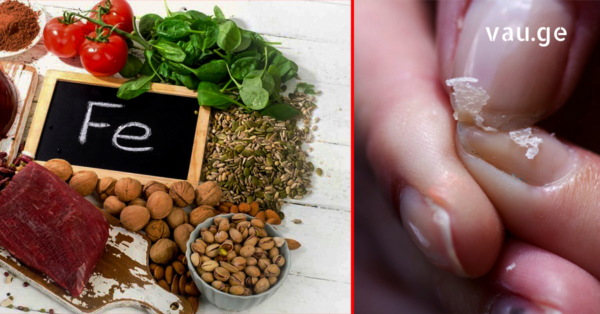
Understanding how iron works in the body and recognizing early warning signs of deficiency can help prevent more serious health complications.
The Role of Iron in the Body
Iron is a key component of hemoglobin and myoglobin—two proteins that are directly involved in oxygen transport and storage.
Hemoglobin is a protein found in red blood cells. Approximately two-thirds of the total iron in the human body is bound to hemoglobin. Its primary function is to transport oxygen from the lungs to tissues and organs throughout the body. Without adequate iron, the body cannot produce enough healthy red blood cells, resulting in reduced oxygen delivery.
Myoglobin, on the other hand, is a protein found in muscle tissue. It stores oxygen and releases it during muscle activity, allowing muscles to function efficiently, especially during physical exertion.
In addition to oxygen transport, iron plays an important role in:
DNA synthesis
Energy production
Immune system function
Growth and development
Hormonal balance
Reproductive health
Cognitive performance
Because iron is involved in so many essential processes, even mild deficiency can affect overall health.
Iron Deficiency and Iron-Deficiency Anemia
The most common clinical manifestation of iron deficiency is iron-deficiency anemia. This condition occurs when iron levels become so low that the body cannot produce adequate hemoglobin.
However, it is important to note that iron deficiency can exist even without full-blown anemia. In early stages, iron stores decline before hemoglobin levels drop significantly.
Iron deficiency may result from:
Insufficient intake of iron-rich foods
Poor absorption (due to gastrointestinal disorders)
Vitamin B12 deficiency
Folic acid deficiency
Parasitic infections (helminthiasis)
Chronic blood loss (heavy menstruation, gastrointestinal bleeding)
Pregnancy (increased demand)
Frequent blood donation
Now let’s explore the symptoms that may signal iron deficiency.
1. Unusual Fatigue
Fatigue is common in daily life, but iron-deficiency fatigue is different. It tends to be persistent, overwhelming, and not relieved by rest.
When hemoglobin levels are low, the body’s tissues receive less oxygen. As a result:
You may feel constantly tired
Weakness may become noticeable
Concentration may decline
Productivity may decrease
You may struggle with mental clarity
This type of fatigue often develops gradually and may be mistaken for stress or overwork.
2. Pale Skin
Healthy skin tone depends largely on proper blood circulation and adequate hemoglobin levels. When iron levels drop, hemoglobin production decreases, and the skin may lose its natural color.
Paleness may be noticeable in:
The face
The inner eyelids
The lips
The gums
The nail beds
This occurs because reduced hemoglobin leads to less oxygen-rich blood reaching surface tissues.
3. Shortness of Breath and Chest Pain
Iron deficiency interferes with the body’s ability to distribute oxygen evenly. As oxygen levels decline, the body attempts to compensate.
You may experience:
Shortness of breath during mild activity
Rapid breathing
Chest discomfort
Feeling winded when climbing stairs
In more severe cases, the heart works harder to circulate oxygen, which may result in chest pain.
4. Dizziness and Headaches
The brain is highly sensitive to oxygen levels. When iron deficiency limits oxygen supply, the blood vessels in the brain may swell slightly, increasing pressure.
This may cause:
Frequent headaches
Migraine episodes
Lightheadedness
Dizziness
Difficulty maintaining balance
Reduced oxygen delivery to the brain is a primary reason these symptoms develop.
5. Heart Palpitations
Low hemoglobin forces the heart to pump harder in order to compensate for reduced oxygen transport.
This extra workload may lead to:
Irregular heartbeat
Noticeable pounding in the chest
Rapid pulse
Heart palpitations
If untreated, severe iron deficiency may increase the risk of heart enlargement or heart failure in extreme cases.
6. Hair and Skin Damage
The body prioritizes vital organs when oxygen is limited. Hair and skin are considered secondary in importance compared to organs such as the heart and brain.
As a result, iron deficiency may cause:
Dry, brittle hair
Increased hair shedding
Dry, flaky skin
Reduced skin elasticity
Hair loss related to iron deficiency is often diffuse and gradual rather than patchy.
7. Swelling of the Mouth and Tongue
Myoglobin—the iron-containing protein that binds oxygen—is also found in muscle tissues, including the tongue.
When iron levels are low, symptoms may include:
A swollen or inflamed tongue
Smooth or glossy tongue surface
Loss of elasticity
Burning sensation in the mouth
Cracks at the corners of the lips
Mouth dryness
Recurrent mouth ulcers
These oral changes are often overlooked but can be important diagnostic clues.
8. Weak or Brittle Nails
Weak nails are a less common but notable symptom, typically appearing in more advanced cases of deficiency.
Signs include:
Thin nails
Loss of strength
Easy breakage
Spoon-shaped nails (a condition known as koilonychia)
When iron deficiency becomes severe, structural changes in the nails may occur.
Additional Possible Symptoms
Iron deficiency may also present with:
Cold hands and feet
Restless legs syndrome
Increased susceptibility to infections
Cravings for non-food items (pica), such as ice or clay
Irritability or mood changes
Children may experience delayed development or behavioral difficulties.
Who Is at Higher Risk?
Certain groups are more vulnerable to iron deficiency:
Women of reproductive age
Pregnant women
Infants and young children
Vegetarians and vegans (if diet is not carefully planned)
Individuals with chronic gastrointestinal disorders
People with chronic kidney disease
Athletes with high endurance training
Diagnosis
Iron deficiency is typically diagnosed through blood tests, including:
Hemoglobin
Hematocrit
Serum ferritin (iron storage marker)
Serum iron
Total iron-binding capacity (TIBC)
Ferritin is often the earliest indicator of declining iron stores.
Prevention and Management
Treatment depends on the severity and underlying cause.
Common strategies include:
Increasing intake of iron-rich foods (red meat, liver, legumes, spinach, fortified cereals)
Combining iron-rich foods with vitamin C to enhance absorption
Avoiding excessive tea or coffee with meals (which inhibit iron absorption)
Taking iron supplements under medical supervision
Treating underlying causes of blood loss
Self-diagnosis and supplementation without testing is not recommended, as excess iron can be harmful.
Final Thoughts
Iron is a vital mineral that supports oxygen transport, immune function, energy production, and cellular health. Because its deficiency can affect nearly every organ system, recognizing early warning signs is crucial.
Symptoms such as unusual fatigue, pale skin, shortness of breath, dizziness, heart palpitations, brittle nails, and changes in hair or oral tissues should not be ignored—especially if several occur together.
If you suspect iron deficiency, consult a healthcare professional for proper evaluation and blood testing. Early diagnosis and treatment can prevent complications and restore energy, vitality, and overall well-being.