













Rosehip has long been valued in traditional medicine as one of the richest natural sources of vitamins and biologically active compounds. For generations, people have prepared rosehip infusions and decoctions to strengthen the immune system, improve digestion, and support overall well-being. Especially during the cold seasons, rosehip tea becomes a popular home remedy believed to help the body defend itself against viral infections such as the flu.
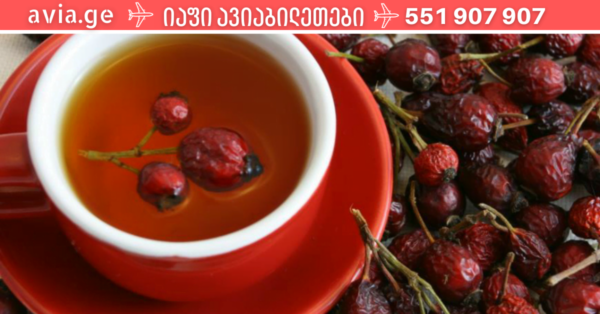
The effectiveness of rosehip largely depends on proper preparation. Many of its beneficial substances—particularly vitamin C—are sensitive to high temperatures and prolonged boiling. Therefore, careful attention must be paid to the method of preparation to preserve its valuable components.
Recipe for Rosehip Infusion
Take 10–15 dried rosehips and rinse them thoroughly. It is advisable to lightly crush or bruise them so that the active substances are released more effectively into the water.
Place the rosehips in a glass container or a thermos. It is important not to add lemon, as the additional acidity may alter the composition and is unnecessary given the already high vitamin C content of rosehip.
Pour 0.5 liters of hot water over the fruit. The water temperature should not exceed 60°C (140°F). Excessively hot water can destroy vitamin C and other sensitive nutrients.
If possible, wrap the container and place it in a warm location. Allow the drink to steep for 12 hours. After this time, strain the infusion and it is ready to drink.
This slow infusion method helps preserve the maximum amount of vitamins and bioactive compounds. The drink has a pleasant, slightly tart taste and can be consumed warm or at room temperature.
Rosehip Seed Decoction
To prepare a decoction from rosehip seeds, pour 1 cup of boiling water over 1 teaspoon of crushed seeds. Simmer on low heat for 15 minutes. Remove from heat and allow it to cool for 2 hours. Strain before use.
Take 1/4 cup daily before meals in cases of kidney and bladder stone conditions. In traditional practice, this decoction is believed to help support urinary tract health and promote gentle cleansing effects.
Rosehip Root Decoction
A decoction made from rosehip roots is traditionally used in cases of bladder inflammation. It is also considered an appetite stimulant and a good astringent remedy for gastrointestinal disturbances.
To prepare: Pour 1 cup of boiling water over 2 tablespoons of crushed roots (preferably in an enamel-coated container). Simmer for 15 minutes on low heat. Allow it to cool for 2 hours, then strain.
Drink 1/2 cup four times a day before meals.
Important Information About Dosage
It is important to know that 10–15 rosehips contain approximately the daily recommended amount of vitamin C. Do not exceed the indicated dosage, as excessive intake may negatively affect your health. Very high levels of vitamin C can cause digestive discomfort, increase the risk of kidney stones in susceptible individuals, and may interfere with certain medical conditions.
Moderation and proper dosing are essential when using any natural remedy.
Harvesting and Drying Rosehips
Rosehip fruits are harvested before the onset of frost. It is advisable to collect them before they are fully overripe—when they are still firm but already red or orange in color.
At this stage, the fruit contains the highest concentration of vitamin C. After harvesting, the fruits should be dried quickly in a well-ventilated attic or under a shelter. They can also be dried in an oven or dehydrator at a temperature of 80–90°C (176–194°F).
Proper drying ensures preservation of nutrients and prevents mold formation. Once dried, rosehips should be stored in a dry, dark place in breathable containers.
Nutritional and Medicinal Properties
Rosehip fruit is considered a natural vitamin concentrate. The pulp contains ascorbic acid (vitamin C), riboflavin (vitamin B2), beta-carotene (provitamin A), phylloquinone (vitamin K), and bioflavonoids (vitamin P). The seeds contain tocopherols (vitamin E), carotene, and various organic acids.
Due to this rich composition, rosehip is believed to have multiple beneficial effects on the body:
Strengthens the immune system
Supports recovery from vitamin deficiencies (avitaminosis)
Promotes bile secretion
Helps reduce blood cholesterol levels
Supports liver and gallbladder function
Contributes to vascular health
In traditional medicine, rosehip fruit has been used for scurvy, stomach disorders, kidney and liver conditions, and gallbladder diseases. The seed decoction is used in cases of kidney and bladder stones.
In medical practice, rosehip is often recommended in cases of vitamin deficiency and as a supportive remedy for improving bile flow. In recent years, it has also been studied for potential anti-sclerotic properties due to its antioxidant content.
The high amount of ascorbic acid in rosehips contributes to lowering cholesterol levels in the blood. Additionally, rosehip preparations are used in cases of cholecystitis, hepatitis, and various gastrointestinal disorders.
Additional Health Benefits
Rosehip’s antioxidant compounds help combat oxidative stress in the body. By neutralizing free radicals, antioxidants may contribute to protecting cells from damage and supporting cardiovascular health. Regular but moderate consumption of rosehip tea may enhance general vitality and support metabolic processes.
Rosehip tea is also valued for its mild diuretic effect, which can assist in eliminating excess fluids from the body. Its gentle astringent properties may help regulate digestion.
Furthermore, due to its pleasant taste, rosehip tea can serve as a healthy alternative to sugary beverages. When prepared correctly, it provides natural flavor and nutritional support without artificial additives.
Precautions and Contraindications
Despite its many benefits, rosehip is not suitable for everyone in unlimited quantities. Long-term use of rosehip decoctions or infusions is not recommended for individuals with thrombophlebitis or a tendency toward blood clot formation.
People with kidney disorders, a history of kidney stones, or high stomach acidity should consult a healthcare professional before regular consumption. As with all herbal remedies, individual reactions may vary.
Pregnant or breastfeeding women should also seek medical advice before incorporating concentrated herbal preparations into their routine.
Conclusion
Rosehip tea is a powerful natural drink rich in essential vitamins and antioxidants. When properly prepared and consumed in moderation, it can support immunity, improve overall well-being, and contribute to maintaining healthy cholesterol levels.
However, the key to benefiting from rosehip lies in correct preparation, proper dosage, and mindful use. Natural remedies can be valuable allies in maintaining health, but they should be used responsibly and, when necessary, in consultation with a medical professional.
By respecting these guidelines, rosehip tea can become a nourishing and beneficial addition to a balanced lifestyle.