




A decrease in hemoglobin levels in the blood is known as anemia. This condition develops in various situations, including blood disorders that involve the destruction of red blood cells, as well as deficiencies of iron or vitamin B12. Hemoglobin is a vital protein found in red blood cells that carries oxygen from the lungs to the rest of the body. When hemoglobin levels drop, tissues and organs receive less oxygen, which leads to fatigue and other health problems.
During pregnancy, hemoglobin levels often decrease as well. This is primarily associated with increased iron requirements in the body, since both the mother and the developing fetus need sufficient oxygen supply. Therefore, maintaining an adequate hemoglobin level is especially important for pregnant and breastfeeding women.
How to recognize low hemoglobin
People with low hemoglobin often experience several noticeable symptoms. These may include:
Headaches and dizziness
Pale skin
General weakness
Loss of appetite
Drowsiness and constant fatigue
Muscle pain
Frequent viral infections
Persistently cold hands and feet
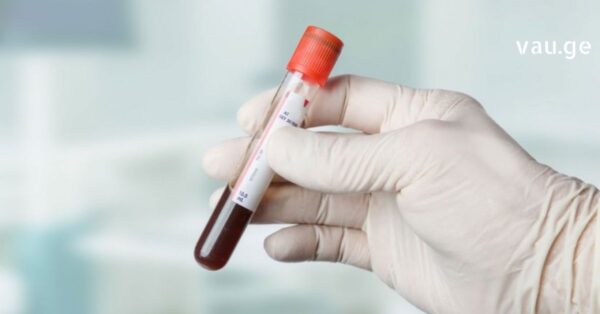
If you experience even one of these symptoms regularly, it is advisable to take a complete blood test to determine the exact hemoglobin level. Hemoglobin norms vary depending on sex, age, and general health condition, but approximate general values are:
For men: 130–140 g/L
For women: 120–130 g/L
For pregnant and breastfeeding women: 120–140 g/L
If your hemoglobin level is below normal, dietary adjustments and certain lifestyle habits can help improve it naturally.
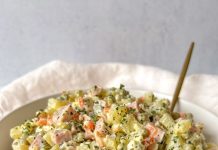
Vegetable salads
People with low hemoglobin should regularly consume fresh vegetable salads throughout the year. Raw vegetables retain more vitamins and minerals than cooked foods and can significantly support blood formation.
Particularly beneficial vegetables include:
Carrots
Cabbage
Beets
Bell peppers
Pumpkin
Among greens, parsley, dill, and green onions are especially useful because they contain iron, vitamin C, and other micronutrients that assist in hemoglobin synthesis.
Pumpkin is another valuable product. Boiled pumpkin can be eaten with a small amount of honey for additional nutritional benefits. Pumpkin porridge is also often combined with honey and walnuts, creating a nutrient-dense dish that supports blood health.
When choosing vegetables, try to buy environmentally clean products whenever possible. Before using them, remove the outer layers where nitrates tend to accumulate most intensely.
Freshly squeezed juices
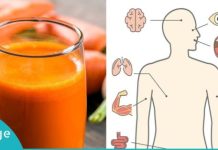
Freshly squeezed juices are highly recommended for increasing hemoglobin levels. Carrot, apple, and beet juices are particularly effective. These juices can be mixed together and consumed daily. The recommended ratio is:
Carrot juice – 2 parts
Beet juice – 1 part
Apple juice – 1 part
Another useful mixture includes 270 grams of carrot juice combined with 30 grams of fennel juice. This combination provides vitamins, antioxidants, and minerals that support blood production.
It is important to drink freshly squeezed juices immediately after preparation. Within a few hours, exposure to air, oxidation, and natural chemical reactions significantly reduce their beneficial properties. Juice stored until the next day loses much of its nutritional value.
Carrot-based juices should always be consumed with a small amount of fat, such as olive oil or corn oil. Without fat, the body cannot properly absorb carotene, a precursor of vitamin A. Some people prefer to eat one or two spoonfuls of sour cream before drinking carrot juice; this is also an acceptable way to ensure proper absorption.
Other beneficial foods
Ripe plums are excellent for improving hemoglobin levels. Individuals with anemia should eat this fruit regularly during its season and freeze some for winter use. Dried fruits, such as raisins, also provide valuable nutrients.
A highly effective natural mixture consists of walnuts, raisins, and honey. In some variations, cranberries are added instead of raisins. Consuming one to two tablespoons daily can help support hemoglobin production due to the combination of iron, natural sugars, antioxidants, and essential minerals.
Other foods that can contribute to higher hemoglobin levels include:
Lentils and beans
Soy products
Whole-grain bread
Egg yolks
Fish
Apples, peaches, and pomegranates
Leafy greens such as lettuce and parsley
A balanced diet that includes these products regularly can significantly improve iron intake and overall blood health.
Important things to remember
Drink enough water. Proper hydration is essential for healthy circulation and metabolic processes. Most adults should consume approximately 1–1.5 liters of water daily, adjusting according to physical activity and climate.
Avoid combining iron-rich foods with substances that inhibit absorption. Tea, coffee, and other beverages containing tannins can reduce the body’s ability to absorb iron. Therefore, it is advisable not to drink these beverages immediately after meals that contain iron-rich foods.
Vitamin C enhances iron absorption. Fruits and vegetables rich in vitamin C—such as citrus fruits, bell peppers, tomatoes, and berries—should be a regular part of your diet. Combining iron-rich foods with vitamin C sources significantly improves the efficiency of iron uptake.
Grains and legumes contain phytates. While cereals and legumes are rich in iron and copper (another mineral essential for blood formation), they also contain phytates—phosphorus compounds that can reduce iron absorption. However, phytates also help remove toxins from the body, so these foods should not be avoided entirely. To reduce phytate content, grains can be sprouted or ground, and legumes should be soaked before cooking.
Lifestyle habits that support hemoglobin levels
In addition to diet, several lifestyle practices can help maintain healthy hemoglobin levels:
Engage in moderate physical activity to stimulate circulation
Spend time outdoors to improve oxygen supply
Maintain regular sleep patterns
Avoid smoking, which reduces oxygen delivery to tissues
Manage stress, as chronic stress can negatively affect metabolism and nutrient absorption
Regular health checkups are also important, especially for individuals who frequently feel tired or weak. Persistent anemia may require medical evaluation and treatment beyond dietary changes.
Conclusion
Increasing hemoglobin levels naturally at home is possible through proper nutrition, regular consumption of iron-rich foods, fresh vegetables and juices, and healthy lifestyle habits. While natural methods can significantly improve mild deficiencies, severe anemia should always be evaluated and treated under medical supervision.
By paying attention to daily dietary choices, ensuring adequate intake of vitamins and minerals, and avoiding factors that hinder iron absorption, it is possible to maintain healthy hemoglobin levels and support overall energy, immunity, and well-being.