














Iron is an essential ally for our bodies, playing a critical role in maintaining overall health, producing hemoglobin, and supporting cellular functions. A well-balanced diet must provide sufficient iron to meet daily needs, and while many people automatically think of red meat as the primary source of iron, certain vegetables can actually surpass meat in iron content. Consuming iron-rich vegetables not only ensures adequate intake but also provides additional nutrients like fiber, vitamins, and antioxidants, which are often absent or limited in meat.
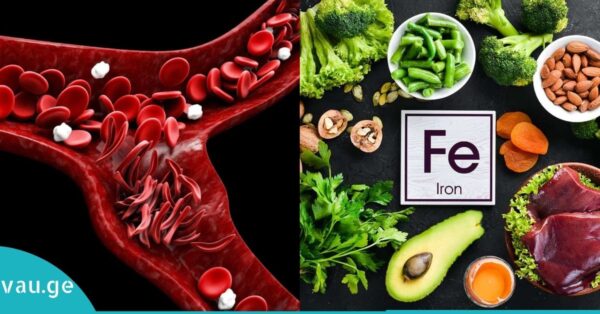
How to Ensure Your Body Gets Enough Iron
Iron can be found in a variety of foods. Traditional sources include red meat, as well as seafood, chocolate, seaweed, and certain spices. However, plant-based sources of iron are also highly effective, especially when consumed alongside foods rich in vitamin C, which enhances iron absorption.
The recommended daily intake of iron varies by age and gender:
Adult men: 9 mg per day
Adult women and adolescents: 18 mg per day, due to menstrual blood loss
Pregnant women: approximately 20 mg per day, to support fetal development
Breastfeeding women: iron intake should also be sufficient to support lactation
For women who have reached menopause, the daily iron requirement drops to around 9 mg, as there is no longer significant iron loss through menstruation. Maintaining adequate iron levels is crucial for energy production, immune function, and overall health.
Signs of Iron Deficiency
Iron deficiency can manifest in several ways, and early recognition is important:
Fatigue and weakness
Paleness of the skin and mucous membranes
Reduced resistance to infections
General exhaustion and lack of energy
Iron deficiency can develop gradually and, if left untreated, may lead to anemia, which further impacts physical and cognitive performance.
Causes of Iron Deficiency
Several factors can contribute to insufficient iron levels in the body:
Low dietary intake: A poorly balanced diet, especially vegetarian or vegan diets lacking iron-rich foods
Reduced absorption: Excess calcium intake can inhibit iron absorption
Gastrointestinal conditions: Diseases like celiac disease, inflammatory bowel disease, or other intestinal disorders may limit iron absorption
Blood loss: Heavy menstruation, childbirth, or internal bleeding
Increased requirements: During pregnancy, breastfeeding, and periods of rapid growth
To maintain optimal iron levels, it is important not only to consume iron-rich foods like red meat and seafood but also to incorporate vegetables high in iron. Many vegetables provide iron along with vitamins, minerals, and antioxidants, making them an excellent complement to animal sources.
Top 10 Iron-Rich Vegetables
Here are ten vegetables that contain significant amounts of iron and may, in some cases, surpass meat in terms of iron content per serving:
1. Beans
Legumes are known for their numerous health benefits, including being high in dietary fiber, carbohydrates, and antioxidants. Among their most important advantages is iron content. Cooked beans contain approximately 1.8 mg of iron per 100 g. They also provide plant-based protein, essential for muscle repair and energy.
2. Spinach
Spinach is an excellent source of iron and a low-calorie food, containing just 22 calories per 100 g. Additionally, it is rich in antioxidants and vitamin A, which supports vision and immune function. Spinach is also versatile in cooking and can be used in salads, soups, or smoothies, providing both iron and a host of other nutrients.
3. Broccoli
Broccoli contains around 1 mg of iron per 100 g, which contributes approximately 6% of the recommended daily intake. It is highly nutritious, rich in vitamin C, fiber, and phytonutrients that support overall health. Regular consumption of broccoli may improve blood circulation and support the immune system while providing essential iron.
4. Tofu
Tofu, a soybean-based product widely used in Asian cuisine, is an excellent plant-based source of iron. A half-block serving of tofu provides 3 mg of iron, while 126 g delivers 3.6 mg, which is about 19% of the recommended daily intake. Tofu is particularly popular among vegetarians and provides high-quality protein along with iron.
5. Dark Chocolate
Dark chocolate is not only delicious but also rich in iron. A moderate serving can provide around 2–3 mg of iron, making it both a treat and a source of essential nutrients. Its antioxidant content further supports cardiovascular and cellular health.
6. Chickpeas
Chickpeas are another legume high in iron, containing 3.3 mg per 100 g. They are also rich in dietary fiber, which aids digestion and supports healthy bowel function. Chickpeas provide plant-based protein and folate, making them particularly beneficial for pregnant women and athletes.
7. Kale
Kale is a leafy green vegetable rich in vitamins and minerals. It provides 512% of the daily recommended intake of vitamin A and 200% of vitamin C, while also containing 1.5 mg of iron per 100 g. Kale is nutrient-dense and can be used in salads, soups, smoothies, or as a cooked side dish.
8. Pumpkin Seeds
Pumpkin seeds contain approximately 3.3 mg of iron per 100 g. They are also high in zinc, phosphorus, and magnesium, and contain vitamins A, E, F, and B-complex. With 35 g of protein per 100 g, pumpkin seeds are an excellent source of plant-based protein and contain all essential amino acids.
9. Beets
Beets provide 1.8 mg of iron per 100 g and are rich in calcium and magnesium. Their deep red color comes from betanin, a compound that supports liver health and may help combat certain types of cancer. Beets are also known to improve blood flow and support detoxification.
10. Nuts
Nuts, including walnuts, almonds, pistachios, and hazelnuts, contain on average 2.4–3 mg of iron per 100 g. They are energy-dense and provide healthy fats, making them an excellent addition to a balanced diet. Nuts also supply protein, fiber, and various micronutrients, complementing other iron-rich foods for optimal nutrition.
Conclusion
These ten vegetables and plant-based foods demonstrate that iron intake does not need to come exclusively from meat. By incorporating beans, leafy greens, legumes, seeds, and nuts into daily meals, you can maintain healthy iron levels while also benefiting from fiber, antioxidants, and other essential nutrients. Plant-based iron sources are particularly important for vegetarians, pregnant women, and individuals seeking to improve overall nutrition without relying solely on animal products.
Combining these vegetables with vitamin C-rich foods, such as citrus fruits or bell peppers, can enhance iron absorption, further supporting energy levels, immune function, and overall health. Eating a variety of iron-rich plant foods ensures that your body receives sufficient iron while also obtaining a wide range of vitamins, minerals, and antioxidants necessary for optimal health.
By making simple dietary adjustments and including these iron-rich vegetables, you can maintain energy, prevent anemia, support cognitive and physical performance, and improve long-term wellness. A diet that balances plant-based iron sources with other nutrient-dense foods can provide superior health benefits, often exceeding those offered by meat alone.








































