













Ear inflammation and ear infections are among the most common health problems affecting both children and adults. They can occur suddenly, often beginning with mild discomfort and gradually progressing into more noticeable pain, pressure, or temporary hearing difficulty. While medical treatment is sometimes necessary—especially in severe bacterial infections—many people also seek supportive natural methods that may help soothe discomfort and provide relief while the body heals. One simple traditional approach involves the use of warm olive oil combined with garlic oil, two natural ingredients long used in home care practices.
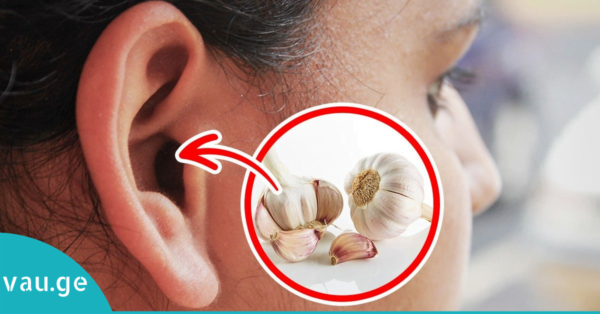
Ear infections are frequently caused by bacteria or viruses that enter the ear following colds, flu, allergies, or sinus infections. When the middle ear becomes inflamed, fluid may accumulate behind the eardrum, leading to pain, a feeling of fullness, and sometimes ringing in the ears. In some cases, individuals may also experience mild fever, irritability, or difficulty sleeping. Although ear infections often resolve on their own, supportive care can make the healing process more comfortable.
Traditional home remedies have been used for centuries across different cultures to ease ear discomfort. Olive oil, known for its soothing and moisturizing properties, has often been used to help soften earwax and calm irritation. Garlic, on the other hand, contains natural compounds such as allicin, which is widely studied for its antimicrobial properties. When garlic oil is combined with warm olive oil, the mixture may provide a gentle warming sensation that helps relax the ear canal and temporarily relieve discomfort.
Below is a simple method that many people use as a supportive home remedy.
Ingredients
2–3 tablespoons of olive oil
4 drops of garlic oil
Preparation
Warm the olive oil gently until it reaches approximately body temperature. It is very important that the oil is not hot; excessively hot oil can damage the sensitive tissues of the ear canal. The safest way to warm the oil is by placing the container in a bowl of warm water rather than heating it directly over a flame or in a microwave. Once the oil is comfortably warm—similar to skin temperature—add four drops of garlic oil and mix gently. After straining the mixture if necessary, the ear solution is ready for use.
How to Use
Lie on your side so that the affected ear faces upward. Using a clean dropper, place a few drops of the warm mixture into the ear. Remain in the same position for 5–10 minutes to allow the liquid to settle in the ear canal. Afterward, gently wipe away any excess oil that flows out when you sit up. This process may be repeated once or twice a day if needed, provided there is no eardrum damage, discharge, or severe pain.
It is important to remember that this remedy is intended only as a supportive measure for mild discomfort. If symptoms persist, worsen, or are accompanied by fever, dizziness, hearing loss, or discharge from the ear, medical consultation is necessary. Ear infections, particularly in children, sometimes require professional diagnosis and antibiotic treatment. Never place any liquid into the ear if you suspect a perforated eardrum or if a doctor has advised against it.
Natural home remedies often attract attention because they are inexpensive, easy to prepare, and accessible in most households. Olive oil is commonly found in kitchens around the world, and garlic oil is also widely available or easily prepared by infusing crushed garlic in oil. Many people prefer such remedies because they avoid synthetic chemicals and can be used as part of general home self-care routines. However, “natural” does not always mean completely risk-free, which is why proper preparation, hygiene, and caution are essential.
In addition to using soothing remedies, there are several lifestyle practices that may help reduce the likelihood of ear infections. Maintaining good respiratory health is one of the most important factors. Since many ear infections develop after colds or sinus congestion, regular handwashing, avoiding close contact with sick individuals, and strengthening the immune system through balanced nutrition can be helpful. Staying hydrated, consuming foods rich in vitamins A, C, and E, and getting sufficient sleep all support immune function and may help the body respond more effectively to infections.
Another preventive measure is protecting the ears from sudden temperature changes and excessive moisture. Prolonged exposure to water—especially in swimming pools or natural bodies of water—can sometimes irritate the ear canal and increase the risk of infection. Drying the ears gently after swimming or bathing and avoiding inserting cotton swabs deep into the ear can reduce irritation and prevent minor injuries that might allow microorganisms to enter.
Parents often seek gentle home methods when children complain of ear discomfort late at night or when immediate access to medical care is limited. In such cases, simple warming techniques—such as applying a warm compress to the outer ear—may also provide temporary comfort. The olive oil and garlic oil mixture described above is sometimes used in similar situations as a short-term soothing method until medical evaluation becomes available.
Many traditional health communities and educational groups share practical home care tips and natural wellness ideas. These communities encourage individuals to learn about simple methods for self-care, skin care, and household remedies that can be prepared using everyday ingredients. The goal is not to replace professional medicine but to provide additional supportive knowledge that may help people manage minor discomforts and maintain general well-being.
Platforms dedicated to health and daily life advice often emphasize that effective self-care does not always require expensive procedures or specialized products. Many beneficial practices—such as preparing herbal infusions, using natural oils for skin care, or adopting healthier daily habits—can be performed at home with minimal cost. Over time, these small practices can become part of daily routines, contributing to both physical comfort and a sense of self-reliance.
Sharing practical experiences with family members and friends also helps spread awareness of simple wellness habits. When individuals discover safe and helpful techniques, they often pass this knowledge along to others, making everyday health care more accessible. Communities built around natural lifestyle tips aim to encourage responsible use of traditional remedies while reminding readers to seek professional medical advice whenever necessary.
The recipes and recommendations commonly shared in wellness communities are generally intended for educational purposes. They should not be considered a substitute for professional diagnosis or treatment. Before using any home remedy—especially for children, elderly individuals, or people with chronic health conditions—it is advisable to consult a healthcare professional. This is particularly important when symptoms are severe, persistent, or unclear.
In summary, ear inflammation can be uncomfortable, but mild cases may sometimes be supported by simple soothing methods. A mixture of warm olive oil and garlic oil is a traditional home remedy that many people use to ease temporary ear discomfort. Proper preparation, careful temperature control, and responsible use are essential to ensure safety. Combined with healthy lifestyle habits, adequate rest, and timely medical consultation when needed, such supportive approaches may help individuals manage minor ear discomfort more comfortably while maintaining overall ear health.