














Many people are unaware of the remarkable nutritional and health benefits of sunflower seeds. Although they are commonly consumed as a simple snack, their nutritional value is extremely high and, in some aspects, even exceeds that of meat and eggs. Sunflower seeds are rich in essential vitamins, minerals, healthy fats, and biologically active compounds that support overall health and well-being. Understanding their composition and effects on the body can help people incorporate them more effectively into a balanced daily diet.
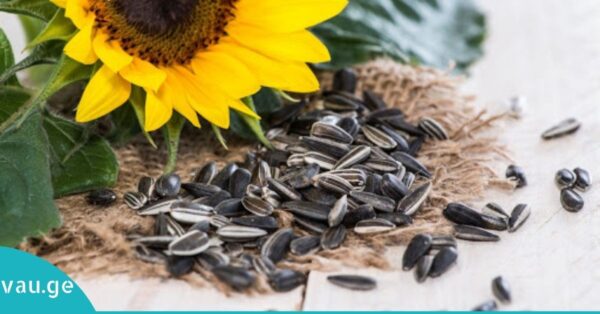
One of the most important characteristics of sunflower seeds is their high content of plant-based fats, particularly unsaturated fatty acids. These beneficial fats play a significant role in slowing down the aging process, improving skin health, and supporting cardiovascular function. They also help reduce the level of harmful LDL cholesterol in the blood, which contributes to the prevention of atherosclerosis and other cardiovascular diseases. Because of these properties, sunflower seeds are often considered a natural supportive food for maintaining heart health.
Sunflower seeds are also an excellent preventive dietary component for several health conditions, including atherosclerosis, heart attacks, fractures, and certain infections. Their balanced combination of nutrients strengthens the immune system, improves tissue regeneration, and supports bone health. Regular consumption in moderate amounts may help the body maintain stronger defense mechanisms against environmental stressors and infections.
A key mineral found in sunflower seeds is magnesium. This mineral is essential for hundreds of biochemical processes in the human body. Magnesium plays an important role in glucose metabolism, the synthesis of nucleic acids, and the formation of protein molecules. It also supports proper nerve function, muscle relaxation, and the maintenance of stable heart rhythms. Remarkably, sunflower seeds contain significantly more magnesium than many traditional foods. In fact, they may contain several times more magnesium than rye bread or other grain products. Consuming approximately 50 grams of raw sunflower seeds per day may help address magnesium deficiency and support the proper functioning of the nervous and muscular systems.
In addition to magnesium, sunflower seeds contain a wide range of important vitamins. These include beta-carotene, which supports vision and immune function; thiamine (vitamin B1), which helps convert food into energy and supports nervous system health; riboflavin (vitamin B2), essential for metabolism and cellular growth; and choline, which plays a role in brain function and liver health. They also contain pantothenic acid, which assists in hormone production and energy metabolism; pyridoxine (vitamin B6), which supports neurotransmitter production and immune health; and folic acid, which is essential for DNA synthesis and especially important during pregnancy for proper fetal development.
These nutrients together ensure the proper functioning of many physiological processes. Sunflower seeds support metabolic balance, enhance energy production, and contribute to the healthy functioning of the cardiovascular, nervous, and digestive systems. Because they are plant-based, they also provide a valuable nutritional option for individuals who follow vegetarian or plant-focused diets.
Another important benefit of sunflower seeds is their positive effect on hormonal balance and reproductive health. The vitamins, antioxidants, and healthy fats they contain may contribute to improved reproductive system function in both men and women. In men, certain nutrients found in sunflower seeds support healthy circulation and hormonal regulation, which may have a positive influence on overall vitality. In women, the vitamin and mineral profile supports hormonal stability and contributes to reproductive system health.
The high magnesium content in sunflower seeds is particularly important for maintaining normal heart muscle function. Magnesium helps regulate heart rhythm, relax blood vessels, and support healthy blood pressure levels. Adequate magnesium intake is associated with a lower risk of cardiovascular complications, including arrhythmias and hypertension. Therefore, including sunflower seeds in a balanced diet can be a simple nutritional step toward supporting long-term heart health.
Despite their numerous benefits, sunflower seeds should still be consumed in moderation, as they are calorie-dense due to their fat content. However, the fats they contain are primarily beneficial unsaturated fats, which are important for maintaining energy balance and supporting the absorption of fat-soluble vitamins. When eaten in reasonable amounts, sunflower seeds can be an excellent addition to salads, yogurt, cereals, baked goods, or healthy snack mixes.
As with any food product, sunflower seeds may also have certain contraindications. Individuals who suffer from gastric ulcers, gout, or enterocolitis are often advised to limit or avoid their consumption, especially in large quantities, as the seeds may irritate sensitive digestive systems or exacerbate certain medical conditions. Additionally, salted sunflower seeds should be consumed cautiously, as excessive salt intake can negatively affect blood pressure and cardiovascular health. Choosing raw or lightly roasted unsalted seeds is generally the healthier option.
From a nutritional perspective, sunflower seeds offer an impressive combination of essential nutrients that support overall vitality. Their antioxidant compounds help protect the body from oxidative stress, which plays a role in aging and the development of many chronic diseases. Their fiber content supports digestive health and helps maintain healthy cholesterol levels, while their protein contributes to muscle maintenance and tissue repair.
Another advantage of sunflower seeds is their accessibility and affordability. They are widely available, easy to store, and convenient to include in daily meals without requiring complex preparation. Because of their versatility, they can be incorporated into both savory and sweet dishes, providing not only nutritional value but also flavor and texture. This makes them a practical choice for individuals seeking simple ways to improve their diet.
Incorporating sunflower seeds into a balanced lifestyle that includes regular physical activity, adequate hydration, and varied nutrition can contribute to improved health outcomes over time. While they are not a substitute for medical treatment, their nutritional richness makes them an excellent supportive dietary component that helps maintain overall well-being.
Vau.ge is a platform that offers advice on health, personal care, and everyday activities. Its mission is to provide information about natural remedies, nutritional products, and simple home-based methods that help people improve their health, enhance their appearance, and simplify daily routines. By using affordable and accessible ingredients commonly found in the kitchen or garden, individuals can take practical steps toward maintaining their well-being while saving money and enjoying the process of self-care.
Many of the ideas and recommendations shared through such platforms can become part of daily habits, encouraging people to adopt healthier lifestyles and share useful experiences with their families and communities. The central message is that maintaining health does not always require expensive procedures or complex treatments. Often, consistent small steps—such as adding nutrient-rich foods like sunflower seeds to the diet—can make a meaningful difference in long-term wellness.
In conclusion, sunflower seeds are a highly nutritious natural product rich in vitamins, minerals, antioxidants, and beneficial fatty acids. Their regular moderate consumption may support heart health, metabolic balance, immune function, and overall vitality. With their accessibility, versatility, and nutritional density, sunflower seeds represent a simple yet powerful addition to a healthy diet, helping individuals maintain energy, strength, and long-term well-being.