













The structure of a joint is far more complex than it may seem at first glance. A healthy joint depends on the proper functioning of multiple components, including bones, cartilage, ligaments, tendons, and the synovial membrane. All these elements must work together in harmony to ensure smooth and painless movement. However, this delicate mechanism can often become disrupted due to aging, injury, inflammation, or chronic diseases, making movement difficult and sometimes painful. Restoring the proper function of joints may require medical treatment, lifestyle adjustments, and, in some cases, supportive home remedies that help relieve discomfort.
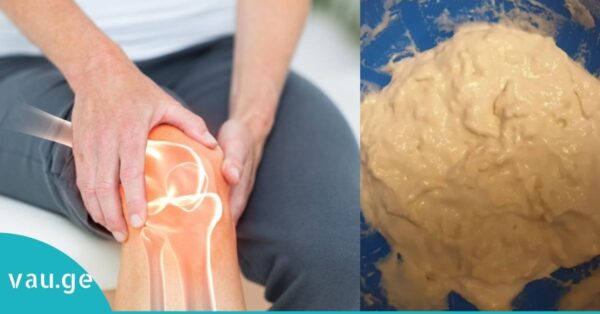
As people age, almost everyone begins to experience certain health-related changes. One of the most common complaints is joint pain, especially in the knees, arms, shoulders, and elbows. These discomforts may be caused by arthritis, rheumatism, previous injuries, excessive physical strain, or even long-term sedentary lifestyles. Joint pain not only limits physical activity but also significantly affects quality of life, reducing mobility and causing fatigue, sleep disturbances, and decreased daily productivity. Because of this, many individuals look for simple and accessible methods that may help ease discomfort alongside professional medical care.
One traditional home remedy often mentioned in folk medicine is a dough-based compress that is believed to help relieve joint pain. The recipe is associated with Gennady Malakhov, a writer who has published more than sixty books about folk medicine, many of which have sold millions of copies. Although such remedies should not replace professional medical treatment, some people use them as supportive methods for temporary relief.
The Compress Recipe
In the evening, before going to bed, prepare the following compress:
Mix equal amounts of honey, flour, apple cider vinegar, and vodka. Stir the ingredients thoroughly until they form a soft dough. If the mixture is too liquid, add a small amount of flour until a workable consistency is achieved. Once the dough is ready, flatten it into a thin layer and place it gently on the painful joint area. Cover the compress with plastic wrap to keep it in place and prevent drying. Then secure it with a cotton cloth or bandage so that it remains comfortably positioned throughout the night.
Leave the compress on the affected area overnight. In the morning, remove it and gently clean the skin with warm water. It is important not to reuse the same dough for another application; a fresh mixture should be prepared each time if the method is repeated.
Some people believe that the warmth created by the compress, combined with the natural properties of honey and vinegar, may help improve local circulation and temporarily reduce stiffness or discomfort. Honey is widely known for its soothing and moisturizing properties, while apple cider vinegar is often used in traditional remedies due to its mild anti-inflammatory potential. Flour serves mainly as a base that allows the mixture to maintain a stable form, while vodka is thought to enhance the warming effect. Although scientific evidence supporting such remedies is limited, many individuals use them as complementary approaches to comfort sore joints.
Supporting Joint Health Through Lifestyle
While home remedies can provide temporary comfort, long-term joint health depends primarily on lifestyle habits. Individuals who experience joint discomfort are strongly encouraged to maintain a healthy body weight, as excess weight increases pressure on joints—especially the knees and hips—accelerating wear and tear. Regular physical activity also plays a key role. Gentle exercises such as walking, stretching, swimming, and low-impact strength training help maintain flexibility, strengthen surrounding muscles, and improve circulation, all of which support joint function.
Swimming, in particular, is often recommended because it allows the body to move without placing heavy stress on joints. Water supports body weight, reducing the load on the musculoskeletal system while still providing beneficial resistance for muscles. Similarly, daily stretching routines can help prevent stiffness and maintain mobility, which is especially important for people who spend long hours sitting.
Balanced nutrition is another essential factor. Diets rich in fruits, vegetables, whole grains, lean proteins, and healthy fats provide the vitamins and minerals necessary for maintaining bones and connective tissues. Nutrients such as vitamin D, calcium, magnesium, and omega-3 fatty acids are particularly important for supporting joint and bone health. Staying hydrated is also essential, as proper hydration helps maintain the lubrication of joints through synovial fluid.
Equally important is seeking professional medical advice when persistent or severe joint pain occurs. Early diagnosis of conditions such as arthritis can help prevent progression and reduce long-term complications. Specialists may recommend physical therapy, medication, or specific rehabilitation exercises tailored to the individual’s needs. Combining professional care with healthy lifestyle habits often yields the best long-term outcomes.
A Practical and Accessible Home Method
One of the reasons why traditional compress recipes remain popular is their accessibility. The ingredients required for the dough compress—honey, flour, apple cider vinegar, and vodka—are commonly available in most households. Preparing the compress takes only a few minutes, making it a convenient method for those who prefer simple home-based supportive care. When used responsibly and combined with medical guidance, such practices may help individuals feel more comfortable and engaged in their daily activities.
However, it is important to remember that natural remedies are not universal solutions. Individuals with sensitive skin, allergies, or certain medical conditions should test the mixture on a small area of skin before applying it widely. If irritation occurs, the compress should not be used. Additionally, persistent joint pain should never be ignored, as it may signal underlying conditions requiring medical evaluation.
About Vau.ge
Vau.ge is a platform that offers practical advice on health, personal care, and everyday living. Its goal is to provide readers with information about natural remedies, simple home recipes, and daily-life solutions that can help improve well-being, enhance personal care routines, and simplify household tasks. Many of the methods presented are designed to be easy to perform at home using affordable, accessible ingredients.
By sharing practical information and traditional knowledge, the platform encourages people to adopt healthier lifestyles while enjoying the process of self-care and saving money. Many of the tips provided can become part of everyday routines, allowing readers to share useful experiences with family and friends and help others simplify their daily lives as well. The platform emphasizes that achieving good health, personal comfort, and a pleasant home environment does not always require expensive procedures or costly products. Often, simple solutions found in the kitchen or garden can provide meaningful support.
At the same time, it is strongly recommended that individuals consult a healthcare professional before using any medicinal recipe, especially if they have chronic illnesses, are pregnant, or are taking prescribed medications. Responsible use of home remedies, combined with professional medical supervision, ensures the safest and most effective approach to maintaining health.
Final Thoughts
Joint pain is a widespread issue that can significantly affect comfort, mobility, and overall quality of life. While modern medicine provides many effective treatments, supportive home remedies such as a dough compress may offer temporary relief for some individuals when used carefully. Maintaining a healthy lifestyle—balanced nutrition, regular exercise, weight control, and timely medical consultation—remains the foundation of long-term joint health. By combining professional care with safe and thoughtful home practices, individuals can take meaningful steps toward preserving mobility, reducing discomfort, and improving daily well-being.