







Birch leaves have been valued in traditional and folk medicine for centuries due to their wide range of beneficial properties. Various cultures have used birch leaves in the form of teas, infusions, compresses, and extracts to support overall health, strengthen the body, and help manage certain minor ailments. Even today, herbal practitioners and supporters of natural wellness continue to explore the healing potential of this remarkable plant.
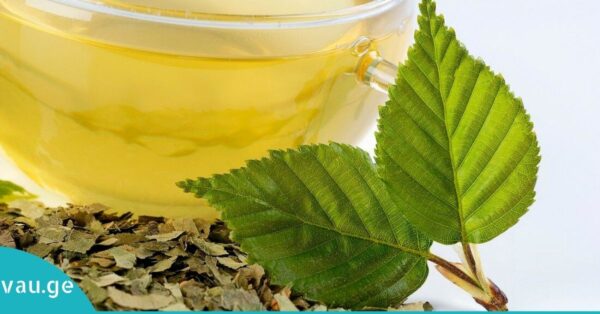
Birch leaves contain biologically active substances such as essential oils, flavonoids, tannins, saponins, vitamin C, and various minerals. These components contribute to their anti-inflammatory, antiseptic, diuretic, and detoxifying effects. Because of this complex chemical composition, birch leaves are often used as supportive remedies for skin problems, joint discomfort, respiratory issues, and general body cleansing.
In folk medicine, birch leaf infusions and decoctions are traditionally used as mild diuretics to help eliminate excess fluids from the body. This effect may support kidney function and reduce mild swelling associated with fluid retention. Additionally, birch leaves are considered to have a mild choleretic action, meaning they may help stimulate bile flow, which supports digestion and liver function. For this reason, herbalists sometimes include birch leaf preparations in detox or digestive-support routines.
Steamed birch leaves have also been traditionally used to relieve muscle and joint pain. When applied externally as warm compresses, the leaves may help reduce stiffness, improve circulation in the affected area, and provide soothing comfort. This practice has been especially common in traditional bathhouse rituals in Eastern Europe, where birch branches are used during steam treatments to stimulate blood flow and relax muscles.
The essential oils found in birch leaves may also have a positive influence on the respiratory system. Herbal teas prepared from young birch leaves are sometimes consumed to support the body during seasonal colds, mild respiratory discomfort, or fatigue. While such remedies are not substitutes for medical treatment, they are often used as supportive measures to help the body recover more comfortably.
Below are several traditional ways birch leaves have been used in home remedies.
1. For Skin Irritation, Acne, and Rashes
Birch leaves are known for their mild antiseptic and anti-inflammatory properties, which may help soothe irritated skin and reduce minor breakouts.
Preparation:
Take 2 tablespoons of crushed birch leaves and pour 2 cups of boiling water over them. Heat the mixture gently in a water bath for about 30 minutes, then allow it to cool to room temperature and strain. The resulting liquid can be used as a gentle skin rinse or applied with cotton pads to irritated areas. Regular application may help calm redness and cleanse the skin.
2. For Bone and Joint Discomfort
Birch leaf tinctures are sometimes used externally for joint stiffness or muscle soreness.
Preparation:
Pour 1 cup of 70% alcohol over 2 tablespoons of crushed birch leaves and leave the mixture in a dark place for one week. After straining, the tincture can be used for compresses or gentle rubbing of the affected areas. Such applications are traditionally believed to improve local circulation and reduce discomfort associated with fatigue or overexertion.
3. Compresses Made from Fresh Birch Leaves
Fresh birch leaves are frequently used in traditional remedies for conditions such as arthritis, rheumatism, or lower back discomfort.
Method:
Before going to sleep, place fresh birch leaves over the painful area and wrap it with a woolen scarf or cloth to retain warmth. Leave the compress overnight. The warmth, combined with the plant’s natural compounds, may help relax the muscles and provide temporary relief from stiffness.
4. For Hair Strengthening and Shine
Birch leaves are also widely used in natural hair care to support scalp health, reduce hair loss, and add shine.
Preparation:
Pour 1 cup of cold water over 2 tablespoons of crushed leaves and bring the mixture to a gentle boil. Simmer for 3–4 minutes, then allow it to cool and strain. After washing the hair, use the liquid as a final rinse. Regular use may help strengthen hair roots and improve the appearance of the hair.
Additional Potential Benefits
Birch leaves are often included in herbal wellness practices aimed at supporting the body’s natural cleansing processes. Because of their mild diuretic effect, they are sometimes used in detoxifying herbal blends intended to assist the removal of metabolic waste products. Some traditional herbal texts also describe their use in supporting skin clarity, maintaining urinary tract health, and promoting general vitality.
Another traditional application involves adding birch leaves to warm baths. Such baths are believed to help relax the body, improve circulation, and soften the skin. The mild aromatic components released in warm water can also create a calming sensory experience that supports relaxation after a stressful day.
Birch leaf tea is sometimes prepared using young, freshly collected leaves during the spring season. These young leaves are considered especially rich in nutrients and plant compounds. When consumed in moderate amounts, herbal teas made from birch leaves are traditionally used to support digestion, hydration, and general well-being.
Safety Considerations
Although birch leaves are widely used in herbal traditions, it is important to remember that natural remedies should be used responsibly. Individuals with chronic medical conditions, kidney problems, allergies to birch pollen, or those taking prescription medications should consult a healthcare professional before using herbal preparations. Pregnant and breastfeeding women should also seek medical advice before using any medicinal herbs.
Herbal remedies are generally intended as supportive approaches and should not replace professional medical treatment when needed. If symptoms persist or worsen, professional medical care should always be sought.
About the Source
Many wellness platforms and traditional health communities provide information about natural remedies and household recipes intended to support everyday health. Their goal is often to share accessible knowledge about simple ingredients that people can use at home to care for themselves naturally. Such resources emphasize that maintaining health does not always require expensive procedures or products, and that many beneficial practices can be incorporated into daily routines using simple, natural materials found in the kitchen or garden.
At the same time, responsible health information sources remind readers that any therapeutic recipe should be used thoughtfully and, whenever possible, discussed with a healthcare professional. Even natural substances can cause allergic reactions or interact with medications, so basic precautions are essential.
In conclusion, birch leaves represent a traditional herbal remedy with a long history of use in supporting skin health, relieving minor joint discomfort, strengthening hair, and promoting gentle cleansing processes in the body. Their versatility, availability, and natural composition make them a valuable component of many traditional wellness practices. When used carefully and responsibly, birch leaves can serve as a simple natural addition to everyday self-care routines, helping people reconnect with time-honored herbal traditions while maintaining a balanced and mindful approach to health.