










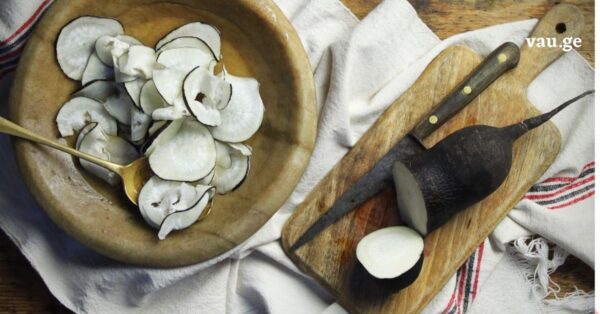
Black radish has long been used in traditional medicine across many cultures as a natural remedy for respiratory problems, digestive disorders, and general immune support. Rich in vitamins, minerals, sulfur compounds, and antioxidants, black radish is considered one of the most powerful root vegetables used for therapeutic purposes. Folk medicine traditions frequently recommend black radish preparations for coughs, bronchitis, liver problems, and metabolic support. Below is an expanded guide explaining the traditional black radish remedy, its preparation, potential benefits, and important precautions.
Traditional Use of Black Radish
Black radish has historically been used in the treatment of various liver and stomach disorders, including jaundice (historically referred to as Botkin’s disease). Both the root and the leaves have been used in traditional healing practices, although the root is most commonly used in medicinal recipes. Because of its strong natural compounds, black radish has been valued for its ability to stimulate digestion, support bile production, and help cleanse the respiratory system.
In addition to digestive support, black radish is widely known as a natural remedy for coughs, bronchial asthma, respiratory infections, and bronchitis. The vegetable contains natural expectorant compounds that may help loosen mucus, making it easier to clear the airways. For this reason, black radish syrup combined with honey is a well-known household remedy in many regions.
Black Radish and Honey Remedy for Cough and Respiratory Problems
One of the most popular traditional preparations involves combining black radish with honey to create a natural syrup.
Preparation method:
Take a large black radish (it is often recommended to prepare several at once).
Wash it thoroughly and cut off the top.
Carefully remove the inner core to create a hollow space.
Fill the hollow with natural honey (sugar may be used if honey is unavailable, although honey is preferred).
Let the radish sit for at least 4 hours, allowing the honey to mix with the radish juice and form a natural medicinal syrup.
The liquid that forms inside the radish is then ready for use.
Recommended intake:
Adults: 1 tablespoon several times per day, approximately 40 minutes before meals
Children: 1 teaspoon several times per day
This preparation is traditionally used for relieving cough, soothing throat irritation, and supporting respiratory recovery during bronchitis or seasonal respiratory illnesses.
Skin Care and External Uses
Black radish is also used externally for certain skin conditions. Grated black radish can be applied as a natural facial or skin mask. Traditionally, it is believed to stimulate circulation in the skin, improve skin tone, and help reduce certain types of rashes or minor blemishes. Because the root contains active compounds that can be strong for sensitive skin, it is recommended to test a small area first before broader application.
Another traditional use of black radish juice is for insect bites, including bee and wasp stings. Applying a small amount of fresh radish juice to the affected area is believed to reduce swelling, relieve pain, and calm irritation. While modern medical care should always be sought in cases of allergic reactions, mild bites may sometimes benefit from this traditional soothing application.
Additional Traditional Health Benefits
Black radish is often described in traditional herbal medicine as a natural support for several bodily systems:
Supports liver and gallbladder function
Improves breathing and respiratory comfort
Acts as a mild digestive stimulant
Helps regulate metabolism
Supports circulation
May help reduce mild headaches
May ease nausea and throat discomfort
Supports the immune system due to its nutrient content
Because black radish stimulates bile flow, it has historically been used to support fat digestion and improve appetite in individuals with sluggish digestion. Its sulfur compounds are also believed to contribute to detoxification processes in the liver.
Black Radish as a Fever-Support Remedy
In folk traditions, black radish has also been used as a supportive remedy during fever-related infections. Some preparations combine radish with a small amount of salt, based on the belief that this combination may help the body fight infection-related fever symptoms. Although modern medical care should always be prioritized during high fever, traditional remedies were often used as supportive home treatments.
Safety Considerations and Contraindications
Despite its many traditional uses, black radish is not suitable for everyone. It should not be used in cases of severe gastrointestinal disorders, acute stomach or intestinal inflammation, or during complications involving the kidneys or liver without medical consultation. Because the vegetable stimulates digestive secretions, it may irritate sensitive digestive systems.
Pregnancy requires special caution. On one hand, black radish has been considered beneficial for helping manage fluid retention and maintaining healthy weight, particularly in later pregnancy stages. On the other hand, some traditional medical sources suggest that it may increase uterine tone, which could potentially pose risks to the fetus. For this reason, pregnant individuals should always consult a healthcare professional before using medicinal amounts of black radish.
Nutritional Value of Black Radish
Beyond its traditional medicinal uses, black radish is nutritionally valuable. It contains:
Vitamin C
B-group vitamins
Potassium
Calcium
Magnesium
Iron
Antioxidants
Fiber
These nutrients contribute to immune support, digestive health, and overall metabolic balance. Consuming black radish in moderate dietary amounts, whether raw, grated, or added to salads, may provide general health benefits even outside medicinal use.
Integrating Traditional Remedies with Modern Health Practices
While traditional recipes such as black radish with honey have been used for generations, they should be viewed as supportive remedies rather than replacements for professional medical care. Persistent cough, severe respiratory symptoms, liver disease, or prolonged digestive problems always require proper medical evaluation. However, when used responsibly and with proper guidance, traditional natural preparations may complement a healthy lifestyle and medical treatment plans.
About Vau.ge
Vau.ge is a platform that offers practical information about health, personal care, and everyday living. Our goal is to provide accessible knowledge about natural remedies, home recipes, and lifestyle habits that may help individuals improve their well-being, enhance personal care routines, and simplify daily tasks. Many of the methods shared on the platform are designed to be prepared at home using simple ingredients commonly found in kitchens or gardens.
Much of the information you learn from our website can become part of your daily routine. By sharing your experiences with friends and family, you can help others discover simple, affordable ways to care for their health and maintain balance in everyday life. Vau.ge emphasizes that maintaining health and beauty does not always require expensive procedures or products. Often, effective solutions can be created using natural ingredients that are readily available.
The recipes and health suggestions published on Vau.ge are not intended to harm health; however, it is recommended to consult a healthcare professional before using any medicinal recipe, especially if you have chronic conditions, take medications, or belong to a sensitive health group such as pregnant individuals, elderly patients, or young children.
Final Thoughts
Black radish remains one of the most respected traditional natural remedies, valued for its potential benefits in respiratory health, digestion, liver support, and skin care. The classic black radish and honey preparation continues to be widely used as a simple home remedy for coughs and seasonal respiratory discomfort. When used responsibly and combined with proper medical guidance, traditional herbal practices such as this can become part of a balanced, health-supportive lifestyle that integrates both natural wisdom and modern medical knowledge.