















Recognizing the early symptoms of a heart attack is extremely important, especially for women, because the signs are often different from the “classic” symptoms typically associated with men. Many women experience less obvious warning signs, which can lead to delayed medical attention and increased risk of serious complications. Paying attention to the body’s signals and seeking medical help in time can save lives. The following symptoms should be taken seriously, as they may indicate the onset of a heart attack or an increased cardiovascular risk.
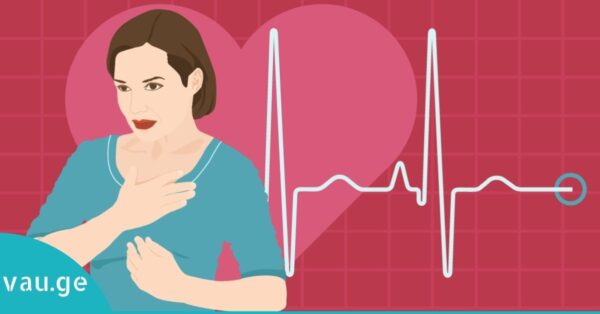
Pain or Discomfort in the Center of the Chest
One of the most common symptoms is discomfort or pain in the center of the chest. However, in women this sensation is not always described as sharp pain. Instead, it may feel like pressure, squeezing, fullness, burning, or mild but persistent discomfort. The pain may come and go, lasting several minutes at a time, or it may remain constant. Some women mistakenly attribute this sensation to indigestion, fatigue, or stress, which can delay seeking help. Any unusual or persistent chest discomfort should be evaluated by a healthcare professional immediately, especially if accompanied by other symptoms such as shortness of breath, sweating, or dizziness.
Heaviness in the Head and Shortness of Breath
A feeling of heaviness in the head, dizziness, or difficulty breathing can also be an important warning sign. Women sometimes describe the sensation as feeling unusually exhausted or as if they have just completed intense physical activity, even when they have not exerted themselves. Shortness of breath may occur with or without chest pain. If you suddenly feel unable to take a full breath, feel faint, or experience unusual fatigue along with breathing difficulties, it is essential to contact a doctor or emergency service immediately.
Nausea and General Weakness
Nausea, vomiting, and a sudden feeling of weakness are symptoms that are more frequently reported by women than men during heart attacks. According to the American Heart Association, symptoms such as difficulty breathing, nausea, pain in the back, bones, or lower back, and unexplained fatigue can all be linked to heart problems. Because these symptoms resemble digestive issues or viral illnesses, many women underestimate their seriousness. However, when nausea or weakness appears suddenly, especially alongside other unusual sensations, it should not be ignored.
Abdominal Discomfort
Abdominal discomfort is another symptom that can signal heart trouble in women. This discomfort may feel like indigestion, stomach pressure, burning, or bloating. Some women describe it as persistent stomach upset or pain in the upper abdomen. Because these sensations are often mistaken for gastrointestinal issues, women may try to treat them with home remedies instead of seeking medical attention. If abdominal discomfort occurs together with fatigue, sweating, chest pressure, or breathing problems, it may be related to the heart and should be checked immediately.
Pain in the Neck, Shoulders, Back, or Jaw
Pain that spreads to the neck, shoulders, upper back, arms, or jaw is particularly important to recognize. Unlike the sudden, intense chest pain often described in men, women may experience a dull ache or gradual discomfort in these areas. Shoulder and neck pain, especially when it appears without an obvious physical cause, may serve as an early warning signal. If the pain is accompanied by chest discomfort, fatigue, or nausea, it is essential to consult a doctor without delay.
Extreme Fatigue and Unusual Weakness
Many women report feeling overwhelming fatigue days or even weeks before a heart attack occurs. This fatigue is often different from normal tiredness—it may feel sudden, intense, and unrelated to physical activity. Simple daily tasks may become unusually difficult, and the individual may feel drained even after adequate rest. Persistent unexplained fatigue should always be taken seriously, particularly if other symptoms are present.
Cold Sweats, Anxiety, and Lightheadedness
Another group of symptoms that may appear includes cold sweats, sudden anxiety, and lightheadedness. Women sometimes describe a feeling of impending danger or unexplained nervousness before a cardiac event. While anxiety can occur for many reasons, when it appears suddenly together with sweating, chest discomfort, or shortness of breath, it may indicate a heart problem and requires immediate attention.
Why Women’s Symptoms Are Often Overlooked
Heart attack symptoms in women are often overlooked because they do not always match the classic textbook description. Cultural expectations, busy lifestyles, and the tendency to prioritize family responsibilities over personal health can also contribute to delayed treatment. Some women dismiss early warning signs as stress, hormonal changes, or fatigue, which can lead to dangerous delays. Education and awareness are therefore essential. Understanding that symptoms such as nausea, back pain, unusual fatigue, or breathing difficulties can be heart-related may encourage earlier medical evaluation and better outcomes.
When to Seek Medical Help
Immediate medical attention is crucial if any combination of the following symptoms occurs:
Chest discomfort or pressure
Shortness of breath
Sudden fatigue or weakness
Nausea or vomiting
Pain in the neck, jaw, shoulders, or back
Dizziness or fainting
Cold sweats
Even if the symptoms seem mild, it is better to seek medical advice than to wait. Early treatment significantly increases survival rates and reduces long-term heart damage.
Healthy Lifestyle and Prevention
Although recognizing symptoms is vital, prevention is equally important. Maintaining a balanced diet rich in vegetables, fruits, whole grains, and healthy fats supports cardiovascular health. Regular physical activity, stress management, adequate sleep, and avoiding smoking all contribute to reducing the risk of heart disease. Regular medical checkups, blood pressure monitoring, and cholesterol testing can help detect potential problems early.
Join Our Public Community for Health Tips
Join our public community dedicated to natural health advice and self-care. By participating, you can receive useful recommendations about maintaining well-being, improving daily habits, and supporting long-term health. Sharing experiences and learning from reliable information sources can help individuals make informed decisions about their lifestyle.
About Vau.ge
Vau.ge is a platform that offers tips related to health, personal care, and everyday living. Our goal is to provide accessible information about natural remedies, practical recipes, and lifestyle strategies that may help people improve their health and simplify daily routines. Many of the suggestions shared on the platform are designed to be implemented at home, allowing individuals to enjoy the process while also saving money.
Much of the information you discover through our website can become part of your everyday habits. By sharing your experiences with friends and family, you can help even more people adopt healthier lifestyles. Vau.ge emphasizes that expensive procedures or costly products are not always necessary to maintain health and well-being. In many cases, useful solutions can be found using simple ingredients available in most kitchens or gardens.
The recipes and tips published on Vau.ge are not intended to harm health; however, it is always recommended to consult a physician before using any therapeutic remedy, especially if you have existing medical conditions or are taking medication. Professional medical guidance ensures that any health practice you adopt is safe and appropriate for your individual needs.
Final Thoughts
Heart disease remains one of the leading causes of death among women worldwide, yet early recognition of symptoms can dramatically improve survival rates. Paying attention to subtle warning signs—such as unusual fatigue, nausea, breathing difficulties, or discomfort in the neck and shoulders—can make a crucial difference. Awareness, prevention, and timely medical consultation together form the strongest protection against serious cardiac events. By staying informed and listening carefully to your body, you can take an active role in protecting your heart health and overall well-being.








































