









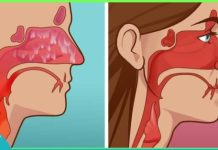





Iodine is an extremely important element for the human body, and its role in maintaining overall health cannot be overstated. A deficiency of iodine does not affect just one organ or system; instead, it can influence the entire body. It has a direct impact on brain functioning, energy levels, metabolism, and even mental and emotional health. When the body does not receive enough iodine, many vital processes begin to slow down or function improperly, often without obvious symptoms at the beginning.

Most importantly, the proper functioning of the thyroid gland depends on iodine. The thyroid gland uses iodine to produce thyroid hormones, which regulate metabolism, body temperature, heart rate, and growth and development. These hormones also play a crucial role in cognitive processes, concentration, memory, and emotional stability. Without sufficient iodine, the thyroid gland cannot produce enough hormones, which may lead to various health problems.
Why iodine is essential for the body
Iodine is a trace element, meaning the body needs it in small amounts, but those small amounts are absolutely vital. It is especially important during periods of growth, such as childhood, adolescence, pregnancy, and breastfeeding. During these stages, iodine deficiency can have long-term consequences, including delayed physical development and impaired intellectual abilities.
In adults, iodine deficiency can lead to fatigue, weakness, weight gain, dry skin, hair loss, cold intolerance, and decreased mental performance. In more severe cases, prolonged iodine deficiency can cause goiter, which is an enlargement of the thyroid gland. This occurs because the thyroid tries to compensate for the lack of iodine by growing larger in an attempt to capture more iodine from the bloodstream.
Iodine and mental health
One of the less commonly discussed but very important effects of iodine deficiency is its influence on mental health. Since thyroid hormones are closely linked to brain function, insufficient iodine levels can contribute to mood changes, depression, anxiety, irritability, and difficulty concentrating. People may feel mentally slow, forgetful, or emotionally unstable without realizing that the root cause could be a simple micronutrient deficiency.
Maintaining adequate iodine levels supports not only physical health but also psychological well-being. This is why monitoring iodine intake is especially important in today’s world, where dietary habits have changed and many people consume processed foods that may not contain enough iodine.
Iodine deficiency
It is very important to check iodine levels in the body in a timely manner. Early detection of iodine deficiency allows you to take simple steps to correct it before serious health problems develop. One of the easiest and most popular ways to get a rough idea of iodine levels at home is by using a simple iodine test on the skin. While this test is not a medical diagnosis, it can serve as an initial indicator that helps you decide whether further examination is needed.
Simple iodine test at home
You can perform a simple test in the evening using ordinary iodine and a cotton swab:
In the evening, apply iodine to your wrists using a cotton swab. Draw three lines: one thin line, one medium-thickness line, and one thick line. Make sure the skin is clean and dry before applying the iodine.
Leave the iodine on overnight without washing the area.
In the morning, carefully examine the lines on your skin.
Interpreting the results
If by morning none of the three lines are visible on your skin, this may indicate a significant iodine deficiency. In this case, it is strongly recommended to consult an endocrinologist. A specialist can order proper laboratory tests, evaluate your thyroid function, and provide professional guidance or treatment if necessary.
If only one line remains visible, this suggests a mild iodine deficiency. In such a case, it is advisable to review and adjust your diet. You can increase your iodine intake by consuming foods rich in iodine, such as seaweed, various types of sea fish, shrimp, feijoa, and eggs. Including these foods regularly in your meals can help restore iodine balance naturally.
If the thinnest line has disappeared but the thicker lines remain, this usually means that the iodine level in your body is within the normal range. This result suggests that your body is absorbing iodine at a healthy rate and that your iodine intake is likely sufficient.
Dietary sources of iodine
Nutrition plays a key role in preventing iodine deficiency. One of the simplest and most effective ways to ensure adequate iodine intake is by using iodized salt. Replacing regular salt with iodized salt in daily cooking can significantly reduce the risk of iodine deficiency, especially in regions where iodine levels in soil and water are low.
Other natural sources of iodine include seafood, such as fish, shrimp, and shellfish, as well as seaweed, which is one of the richest sources of iodine. Dairy products and eggs also contain iodine, although the amount may vary depending on animal feed and farming practices.
It is important to maintain a balanced diet and avoid extreme dietary restrictions that may eliminate iodine-rich foods altogether. People who follow strict vegetarian or vegan diets should pay special attention to iodine intake and consider fortified foods if necessary.
Precautions and important notes
While iodine is essential, excessive iodine intake can also be harmful. Too much iodine may disrupt thyroid function and cause symptoms similar to iodine deficiency. Therefore, moderation is key. The skin test described above is only a preliminary method and should not replace medical testing or professional advice.
If you experience symptoms such as persistent fatigue, unexplained weight changes, mood disturbances, or neck swelling, you should seek medical evaluation regardless of the test results. Blood tests and ultrasound examinations provide accurate information about thyroid health and iodine status.
Conclusion
Iodine is a vital element that supports the proper functioning of the thyroid gland, brain, metabolism, and overall health. Its deficiency can affect both physical and mental well-being, often in subtle ways at first. Regularly monitoring iodine intake, using iodized salt, and consuming iodine-rich foods can help prevent deficiency and maintain good health.
Taking care of your iodine levels is a simple yet powerful step toward protecting your body and mind. By being attentive to your nutrition and health signals, you can avoid iodine deficiency and support long-term well-being.