














Back acne is a common and often frustrating skin problem that affects people of all ages. It can be painful, uncomfortable, and emotionally distressing, especially during warmer months when lighter clothing exposes the skin. Understanding why acne appears on the back and how to address it properly is the first step toward clearer, healthier skin.
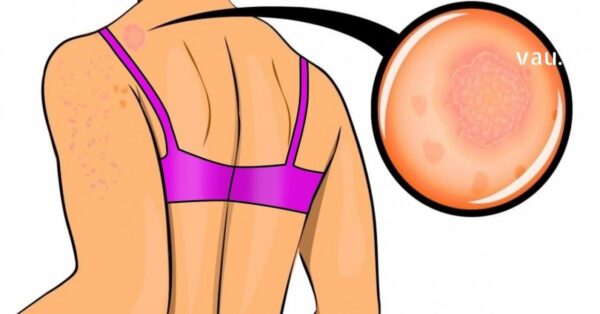
Why Does Back Acne Appear?
Back acne can develop for two main reasons: external factors and internal factors. Often, these causes overlap, which makes the condition more persistent if not addressed comprehensively.
External Causes of Back Acne
External factors are related to lifestyle, hygiene, clothing, and skincare habits. These causes are among the most common and, fortunately, the easiest to control.
1. Insufficient or Improper Hygiene
Poor hygiene is one of the leading causes of back acne. The shoulder and upper back area contains a high concentration of sebaceous (oil) glands, which produce sebum. When sweat, dead skin cells, and oil accumulate, acne-causing bacteria multiply rapidly.
However, over-cleansing can be just as harmful. If you scrub your skin too aggressively or wash too frequently, you may strip away the skin’s natural protective oils. In response, the body produces even more oil, which can worsen acne.
2. Inappropriate Clothing
Synthetic fabrics and very tight clothing prevent the skin from breathing and increase sweating. When sweat becomes trapped against the skin, it creates an ideal environment for bacteria to grow, leading to clogged pores and breakouts.
Tight straps from backpacks, bras, or sportswear can also cause friction and irritation, triggering a form of acne known as acne mechanica.
3. Improper Care of Long Hair
Long hair that is not washed regularly can transfer oil, dirt, and styling product residue onto the back, clogging pores. On the other hand, washing hair too often can also contribute to acne: shampoo and conditioner residue running down the back during showers may block pores and irritate the skin.
4. Incorrect Use of Cosmetics
Just as unsuitable cosmetics can cause facial acne, body lotions, oils, sunscreens, and makeup that are not right for your skin type can irritate the skin on your back. Products that are too heavy or comedogenic can clog pores and lead to inflammation.
Internal Causes of Back Acne
Internal causes are related to processes happening inside the body and often require more time and attention to address.
1. Genetics
If one or both of your parents experienced acne, there is a higher chance that you may also struggle with it. Genetic factors influence how much oil your skin produces and how your body responds to inflammation.
2. Diet
Poor nutrition is one of the most common internal causes of acne, including back acne. Diets high in fatty foods, refined carbohydrates, sugar, and processed products can disrupt hormonal balance and increase inflammation, leading to breakouts.
Foods with a high glycemic index can cause spikes in blood sugar and insulin levels, which may stimulate excess sebum production.
3. Stress
Severe emotional stress and chronic anxiety can affect the endocrine system. Stress hormones, particularly cortisol, can increase oil production and trigger inflammatory responses in the skin, making acne worse.
4. Diseases of Internal Organs
Certain health conditions may manifest through skin problems. These include:
Diabetes
Liver disorders
Digestive system issues
Genitourinary system diseases
Endocrine system imbalances
In such cases, acne is often a symptom rather than the root problem.
How to Get Rid of Back Acne
If you have back acne, there are several steps you can take to manage and reduce it on your own. Consistency and patience are key.
1. Shower Regularly
Always shower after physical activity and before going to bed. Sweat left on the skin allows bacteria to thrive. You may also use antibacterial wet wipes when showering is not immediately possible.
2. Use Antibacterial Hygiene Products
Dermatologists do not recommend using antibacterial soaps or shower gels every day for healthy skin. However, if you have active back acne, temporarily switching to antibacterial cleansers may help reduce bacteria and inflammation.
Choose gentle products and avoid harsh scrubs that can irritate the skin.
3. Reduce Hair-to-Skin Contact
If you have long hair, consider tying it up or wearing it in styles that minimize contact with your back. A more drastic but effective solution is cutting your hair shorter. The goal is to prevent oils, dirt, and hair products from transferring onto the skin.
4. Wear Loose Clothing Made from Natural Fabrics
If your acne is triggered by sweating or synthetic fabrics, switch to loose-fitting clothes made from cotton, linen, or other breathable materials. These fabrics allow air circulation and help keep the skin dry.
5. Review and Improve Your Diet
Eliminate or significantly reduce:
Simple carbohydrates
Sugar
Fried and fast foods
Instead, focus on a balanced diet rich in vegetables, fruits, whole grains, lean proteins, and healthy fats. Drinking enough water also helps flush toxins from the body and supports skin health.
Additional Helpful Tips
Change bed sheets and towels regularly
Avoid picking or squeezing acne, as this can cause scarring
Use non-comedogenic skincare products
Manage stress through rest, exercise, or relaxation techniques
If acne persists or worsens, consult a dermatologist
Final Thoughts
Back acne is an unpleasant but manageable condition. By identifying both external and internal causes and addressing them systematically, you can significantly improve your skin’s condition. Simple lifestyle changes, proper hygiene, suitable clothing, and a balanced diet can make a noticeable difference over time.
Remember, your skin often reflects your overall health. Taking care of your body from the inside out is the most effective long-term solution for clear, healthy skin.








































