












Savory is a plant the ancient Greeks called a blessed herb. This unique medicinal plant has been known to humanity since ancient times and has been highly valued for both its intense aroma and its powerful healing properties. Throughout history, savory has been used not only as a culinary herb but also as a natural remedy for a wide range of physical and emotional conditions.
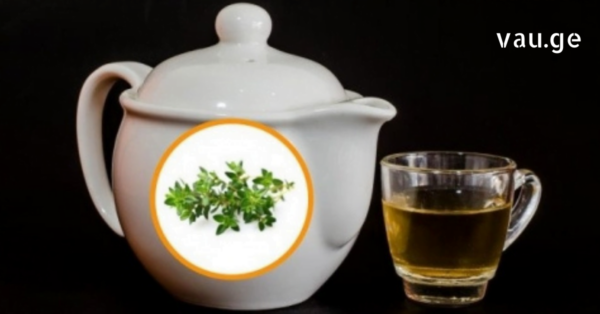
Savory possesses bactericidal, wound-healing, soothing, expectorant, bronchodilatory, antispasmodic, and many other beneficial properties. In addition, it helps normalize metabolism, which is especially important for people who follow an active lifestyle or struggle with metabolic imbalance. Thanks to its rich chemical composition, savory has earned a respected place in both traditional folk medicine and modern herbal therapy.
Savory Tea – A Natural Treasure for Health
The benefits of savory tea are difficult to fully describe, as this drink is a true reservoir of vitamins, essential oils, tannins, and organic acids. Savory contains biologically active compounds that support the body on multiple levels, making it a powerful natural tonic.
Savory is popular not only in folk medicine; it is also officially recognized by modern medicine for its therapeutic value. Herbalists and physicians alike acknowledge its effectiveness in supporting the nervous system, respiratory health, digestion, and immune function.
Tea made from dried savory flowers is especially recommended for people suffering from insomnia. It has a mild calming effect on the nervous system and helps promote deeper, more restful sleep. At the same time, savory tea effectively relieves pain associated with rheumatism and arthritis by reducing inflammation and muscle tension.
Support for the Respiratory System
Savory is widely used in the treatment of various lung and respiratory conditions, including asthma, bronchitis, and persistent cough. Its bronchodilatory and expectorant properties help clear mucus from the airways, making breathing easier and relieving chest discomfort. For centuries, savory-based drinks have been used to support recovery from colds and respiratory infections.
Thanks to its antimicrobial action, savory helps fight bacteria that may cause infections in the respiratory tract. Regular consumption of savory tea during cold seasons may help strengthen resistance to illness and shorten recovery time.
Recipes for Savory Tea
Recipe 1
Add 1 teaspoon of dried savory to 1/4 cup of water. Bring to a boil, then let it simmer for about 10 minutes. Strain the liquid and pour it into a cup. Let it rest for another 5 minutes, then drink warm.
Recipe 2
Place 3 teaspoons of black tea and 2 teaspoons of dried savory into a teapot. Pour boiling water over the mixture and allow it to steep. Add sugar or honey to taste. This tea combines the stimulating effect of black tea with the healing properties of savory.
Recipe 3
Mix savory and mint in equal amounts. Place the mixture into a teapot and pour boiling water over it. This drink is a fast-acting remedy for neurosis, insomnia, low mood, emotional instability, and increased fatigue. The combination of savory and mint creates a balanced effect—calming yet refreshing.
Chemical Composition and Medicinal Value
Savory is rich in essential oils, the main components of which include carvacrol, cymene, borneol, cineole, pinene, and other terpenes. These compounds are responsible for savory’s strong aroma and its powerful antimicrobial and anti-inflammatory properties.
In addition to essential oils, savory contains resins and tannins, which contribute to its astringent and digestive-supporting effects. These substances help reduce intestinal spasms, combat diarrhea, and improve overall gastrointestinal function.
Because of its intense and distinctive aroma, savory is widely used in cooking. Both fresh young leaves and dried leaves and stems are used to flavor various dishes. In Mediterranean cuisine, savory is often added to meat, legumes, sauces, and vegetable dishes to enhance flavor and aid digestion.
Use in Medicine and Folk Healing
In medicine, savory is often used in combination with other medicinal plants to treat meteorism (bloating), diarrhea, gastrointestinal spasms, and intestinal parasites. It is also considered beneficial for people with diabetes, as it may help regulate blood sugar levels when used responsibly.
Savory is also used to support bile flow and is helpful in certain biliary tract disorders. By stimulating digestion and improving liver and gallbladder function, savory contributes to better nutrient absorption and overall digestive comfort.
Effects on the Nervous System and Mood
One of the lesser-known but highly valuable benefits of savory tea is its positive effect on the nervous system. It helps reduce stress, nervous tension, and emotional exhaustion. People who experience chronic fatigue, irritability, or mood swings may benefit from incorporating savory tea into their daily routine.
The calming yet balancing properties of savory make it particularly useful during periods of mental overload or emotional instability. Unlike strong sedatives, savory does not cause drowsiness or dependence when consumed in moderation.
Contraindications and Precautions
Due to its high content of thymol, savory is not recommended for people suffering from gastritis, stomach ulcers, hyperthyroidism, or diabetes without prior medical consultation. Excessive consumption may irritate the stomach lining in sensitive individuals.
Pregnant women and children should consume savory-based drinks only after consulting a healthcare professional to determine appropriate dosage and safety. As with any medicinal herb, moderation and individual tolerance are key.
A Drink You Will Love Forever
Once you taste savory tea, it is very likely to become a permanent favorite. Its rich aroma, pleasant bitterness, and warming effect make it not only a healing beverage but also a source of comfort and enjoyment.
This ancient Greek drink is more than just a tea—it is a connection to centuries of herbal wisdom and natural healing. By incorporating savory tea into your routine, you support your body, calm your mind, and embrace a natural approach to health and well-being that has stood the test of time.
In a world where stress, poor diet, and environmental factors constantly challenge our health, rediscovering such traditional remedies can be a simple yet powerful step toward balance and vitality.