














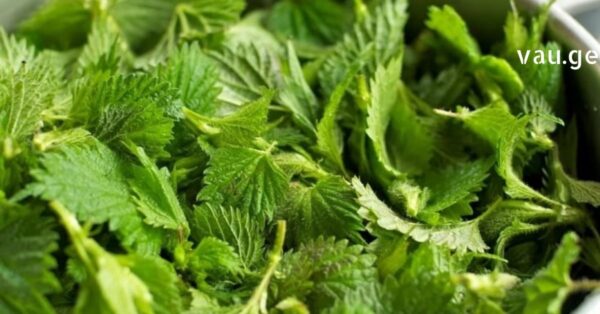
Nettle is one of those plants that has been both feared and respected throughout history. Its leaves and stems are covered with tiny, sharp hairs that sting the skin upon contact. These hairs break easily and inject a fluid containing formic acid, which causes a strong burning sensation. This painful reaction is what makes nettle notorious, especially among those who accidentally brush against it while walking through the forest.
However, beyond its painful sting, nettle has long been recognized as a powerful medicinal plant. Ancient healers and scholars were aware of its benefits. The famous Persian physician Avicenna wrote: “Nettle leaves, when applied, stop bleeding from the nose.” This is a strong testament to the plant’s healing power and its historical significance.
Nettle in History: From Ancient Remedies to Modern Medicine
Nettle has been used as a healing plant for centuries. In the 16th century, nettle leaf broth was widely used to stop bleeding from the lungs, gastrointestinal tract, and uterus. It was a common remedy in folk medicine for internal bleeding and other conditions.
However, during the early 20th century, nettle was largely forgotten as modern medicine advanced. Traditional remedies were replaced by new pharmaceuticals, and nettle lost its popularity.
The plant returned to the spotlight during the Second World War. The demand for blood-clotting agents increased sharply, and scientists began searching for natural sources that could be used in hospitals. Nettle was remembered again for its strong hemostatic properties. Researchers developed a liquid extract from nettle leaves, which was then used in medical settings to stop bleeding and support recovery.
Why Nettle Stops Bleeding
The blood-clotting effect of nettle is due to its high content of vitamin K. Vitamin K is essential for the normal blood clotting process, and it is found in significant quantities only in a few plants. Among these plants, nettle is one of the richest sources of vitamin K.
Other plants rich in vitamin K include spinach and horse chestnut leaves. However, nettle stands out because it also contains a large number of other vitamins and nutrients.
In addition to vitamin K, nettle contains:
Up to 200 mg% of vitamin C
Carotene
B-group vitamins
Organic acids
Various minerals and trace elements
This rich composition makes nettle a powerful medicinal plant with multiple health benefits.
Medicinal Uses of Nettle
Nettle is recommended for the treatment and prevention of a wide range of diseases and conditions, including:
Anemia
Hemorrhoids
Bleeding from the uterus, gastrointestinal tract, lungs, kidneys, liver, and nose
Joint diseases
Wounds, burns, and skin infections
Gastrointestinal diseases such as colitis, constipation, digestive disorders, liver anomalies, and bile duct diseases
Diabetes
Bronchitis
Menstrual cycle disorders
Rickets
Uterine involution after childbirth
Gum and throat diseases
Nettle is particularly valued for its ability to support the body’s metabolic processes and strengthen the immune system.
How to Prepare Nettle Infusion
Nettle infusion is a simple and effective way to use this plant. The preparation method is as follows:
Take 1 tablespoon of chopped dry nettle leaves.
Pour 1 cup of boiling water over the leaves.
Let it steep for 10 minutes.
Strain the infusion.
Dosage: Take 1 tablespoon of the infusion three times a day.
This infusion can be used to support overall health and to treat specific conditions such as anemia, atherosclerosis, rheumatism, liver diseases, bile duct disorders, hemorrhoids, constipation, and digestive problems. It is also recommended for improving lactation in nursing mothers.
Nettle and Metabolism: Bulgarian Scientists’ Opinion
Bulgarian scientists believe that nettle positively affects metabolic processes in the body. This means that nettle can help improve digestion, enhance nutrient absorption, and support the body’s natural detoxification systems.
Therefore, nettle infusion is recommended for the following conditions:
Anemia
Atherosclerosis
Rheumatism
Bile duct and liver diseases
Hemorrhoids
Constipation and digestive problems
Poor appetite
Lactation improvement
Nettle is considered a valuable supportive remedy because it provides essential nutrients while improving the body’s metabolic balance.
Nettle in Modern Medicine
In modern medicine, nettle is often used as a supportive remedy rather than a primary treatment. It is commonly used in herbal teas, supplements, and topical applications.
Nettle’s high vitamin and mineral content makes it beneficial for:
Strengthening the immune system
Improving blood health
Supporting healthy skin and hair
Enhancing energy and vitality
Reducing inflammation and pain
Important Notes and Safety
While nettle is a powerful medicinal plant, it should be used carefully. Some people may be allergic to nettle or experience skin irritation. If you are pregnant, breastfeeding, or taking medications such as blood thinners, it is essential to consult a healthcare professional before using nettle.
Also, nettle should not be used as a substitute for medical treatment in serious conditions such as severe bleeding, infections, or chronic diseases. It is best used as a supportive remedy alongside professional medical care.
Conclusion
Nettle broth is truly a rare natural phenomenon because of its medicinal properties. Although it is famous for its painful sting, nettle is also one of the most beneficial plants in nature. Its long history of use in traditional medicine and its rich nutritional composition make it a powerful tool for improving health.
From stopping bleeding to treating anemia, supporting liver function, and improving digestion, nettle has a wide range of applications. Its return to medical use during the Second World War proves that nature often holds solutions that modern science can recognize and appreciate.
If you want to support your health naturally, nettle is one of the best options. It is easy to prepare, widely available, and has a long history of healing properties.
Note: Recommended Reading
You might also find it interesting to read about the amazing properties of bay leaves, which can even help reduce deep wrinkles.
About Vau.ge
Vau.ge is a platform that offers advice on health, self-care, and everyday life. Our goal is to provide information about natural remedies and simple recipes that help you improve your health, enhance your beauty, and simplify daily tasks. The best part is that you can do all of this at home, enjoy the process, and save a significant amount of money.








































