









An ointment made from conifer resin has long been considered a unique natural remedy in traditional medicine. For centuries, people living in forested regions have used resin from coniferous trees such as pine, fir, spruce, and cedar for healing purposes. This natural substance is believed to cleanse the liver and blood vessels, reduce joint pain, and support the body in many different conditions. It has been traditionally used in cases of anemia, ulcerative diseases of the stomach and intestines, hemorrhoids, psoriasis, various skin conditions, as well as disorders of the cardiovascular and respiratory systems.
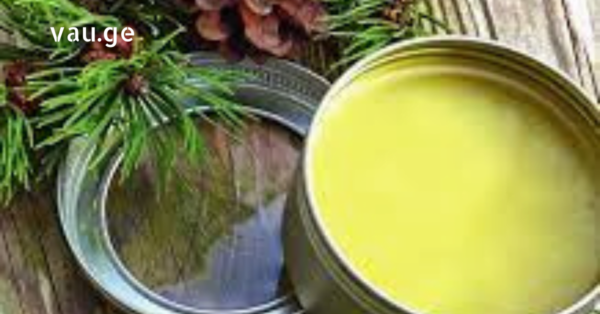
In addition to its therapeutic uses, this ointment is also known for its rejuvenating effect. Supporters of traditional medicine believe that regular and proper use of conifer resin ointment can improve overall vitality, strengthen the body, and slow down aging processes by supporting internal cleansing and tissue regeneration.
Why Conifer Resin Is Valued in Folk Medicine
Conifer resin is a sticky, aromatic substance produced by trees as a natural defense mechanism. It protects the tree from infections, insects, and physical damage. Because of its strong antimicrobial and restorative properties, resin has been used by humans for healing wounds, treating infections, and relieving pain since ancient times.
Conifer resin contains biologically active compounds such as essential oils, terpenes, resin acids, and natural antiseptics. These substances are believed to support circulation, reduce inflammation, promote tissue healing, and help the body eliminate harmful substances.
When combined with other natural ingredients like butter, beeswax, and honey, resin becomes easier to use and more effective as a healing ointment.
Claimed Benefits of Conifer Resin Ointment
According to traditional knowledge, this ointment may help with:
Cleansing the liver and blood vessels
Reducing joint and muscle pain
Supporting the treatment of anemia
Helping with ulcerative conditions of the stomach and intestines
Relieving hemorrhoids
Improving skin conditions such as psoriasis, eczema, and wounds
Supporting cardiovascular health
Helping with respiratory system conditions
Promoting rejuvenation and overall vitality
It is important to note that these benefits are based on folk medicine and traditional use, not modern clinical trials.
Ingredients
To prepare the conifer resin ointment, you will need the following natural ingredients:
Butter – 1 teacup
Beeswax (natural candle wax) – the size of 2 matchboxes
Conifer resin – the size of 2 matchboxes
Honey – 1 teaspoon
You may use resin from pine, fir, spruce, cedar, or similar coniferous trees.
Preparation Method
Step 1: Clarifying the Butter
The first step is to purify the butter by removing impurities. Place the butter in an enamel-coated pot and gently melt it over low heat. Do not let it boil. Carefully remove any foam that forms on the surface, then strain the melted butter into another container. This process helps ensure a clean and stable base for the ointment.
Step 2: Preparing the Resin
Before making the ointment, it is recommended to freeze the conifer resin in the freezer. Freezing makes it easier to crush or chop the resin into smaller pieces.
Step 3: Melting and Mixing
Take one teacup of clarified butter and place it in a suitable pot. Add the crushed conifer resin and gently heat the mixture. Stir carefully with a stainless-steel fork until the resin is completely dissolved in the butter.
Next, add the finely crushed beeswax. Continue stirring gently until the wax is fully melted. It is very important that the mixture does not boil. The temperature should not exceed approximately 80°C (176°F).
Step 4: Cooling and Adding Honey
Remove the mixture from heat and allow it to cool slightly until it begins to thicken. At this stage, add one teaspoon of honey and whisk thoroughly to ensure it is evenly incorporated.
Step 5: Straining (If Necessary)
If the beeswax or resin is not sufficiently clean and contains impurities, strain the hot mixture through a double layer of cheesecloth before it fully cools.
The final product should be a cream-like ointment with a strong coniferous aroma and a slightly bitter taste. Store the ointment in the refrigerator or freezer to preserve its properties.
How to Use the Ointment
External Use
For external application, take one teaspoon of the ointment and warm it over steam until it melts. Gently rub it into the affected areas.
For joint problems: Apply the ointment to the joints, wrap them warmly, and leave overnight.
For skin conditions: Apply the ointment directly to the affected areas of the skin and cover with a bandage if needed.
For muscle pain: Massage the ointment into sore muscles to relieve tension and discomfort.
Internal Use
For internal use, take a walnut-sized piece of frozen ointment, crush it, and swallow it. Be sure to drink hot milk or water afterward to help it pass easily.
During colds or respiratory discomfort, rub the ointment onto the chest, back, or soles of the feet, then keep warm. This method is traditionally believed to help relieve symptoms and support recovery.
Storage
The ointment should be stored in the refrigerator or freezer. Proper storage helps maintain its consistency and effectiveness over time.
Important Precautions
Although this ointment is made from natural ingredients, it is not suitable for everyone. People with allergies to resin, honey, or bee products should avoid using it. Internal use should be approached with caution, especially for individuals with chronic illnesses, digestive sensitivities, or those taking medication.
Always consult a healthcare professional before using traditional remedies internally, especially if you have serious medical conditions.
Final Thoughts
Conifer resin ointment represents the wisdom of traditional medicine passed down through generations. Its popularity lies in its natural composition, versatility, and long history of use. While modern medicine relies on scientific research and clinical evidence, many people continue to value traditional remedies as supportive tools for overall well-being.
When used responsibly and with proper understanding, this unique ointment may help support the body’s natural healing processes, promote balance, and contribute to a healthier lifestyle.