










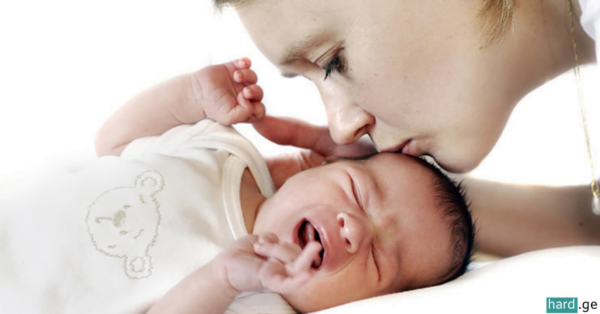
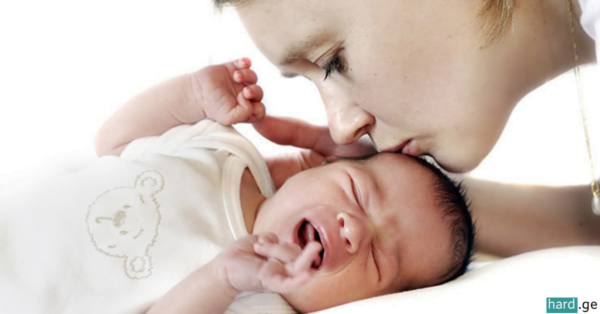
Caring for a crying baby can be stressful for any parent. Babies cry for many reasons: teething pain, digestive discomfort, colds, or simply needing comfort. One of the most effective and natural ways to soothe a baby is through massage. Gentle stimulation of specific areas of the feet and body can provide relief from pain, improve circulation, and help your baby feel secure and calm.
Reflexology and foot massage techniques for children are based on the principle that specific points on the feet correspond to different organs and systems in the body. By massaging these points carefully, parents can provide targeted relief for common discomforts. Here are the most effective zones and techniques for massaging a baby to stop crying and promote comfort.
1. Head and Teeth
When babies are teething, their gums can become inflamed, causing pain that leads to persistent crying. Massaging the reflex zones on the feet connected to the head and teeth can help alleviate this discomfort.
Technique: Use gentle circular motions with your thumb on the balls of the feet, focusing on the area under the toes.
Effect: Stimulates circulation in the jaw and gums, reduces teething pain, and can calm irritability.
Additional Tips: Combine the massage with teething rings or chilled gel packs for enhanced relief.
2. Sinuses
The middle part of the toes corresponds to the sinuses. If your baby sneezes frequently, has nasal congestion, or experiences difficulty breathing, massaging these zones can help.
Technique: Lightly press and massage the center of each toe in small circular motions.
Effect: Helps clear nasal passages, reduces sinus pressure, and improves breathing.
Additional Tips: Ensure your baby is sitting upright during the massage to aid drainage and avoid discomfort.
3. Lungs
Colds and respiratory infections can cause congestion and chest discomfort in babies. Massaging the reflex zones for the lungs can help alleviate these symptoms, improving breathing, feeding, and sleep.
Technique: Use gentle pressure on the ball of the foot, slightly below the toes, following the shape of the foot.
Effect: Encourages relaxation of the chest area, supports lung function, and reduces coughing and congestion.
Additional Tips: Pair the massage with a warm bath or humidified room to enhance relief.
4. Solar Plexus
The solar plexus is a nerve complex located just above the stomach. Babies experiencing spasms, digestive discomfort, or difficulty breathing can benefit from massaging this zone.
Technique: Press gently in the center of the foot, just below the ball of the foot, using small circular movements.
Effect: Promotes relaxation, reduces tension, and can help calm a fussy or colicky baby.
Additional Tips: Perform the massage when your baby is calm or after feeding to enhance its soothing effect.
5. Upper Abdomen
If a baby experiences bloating or difficulty with digestion, massaging the upper abdominal reflex zones on the feet can provide relief.
Technique: Gently rub the middle section of the foot, moving toward the arch. Use slow, even pressure without causing discomfort.
Effect: Stimulates the stomach and intestines, encourages proper digestion, and can reduce discomfort from gas.
Additional Tips: Keep the baby in a relaxed position, and use warm hands to avoid startling them.
6. Lower Abdomen
Massaging the lower abdominal reflex zones can help relieve discomfort caused by constipation or bowel irregularities.
Technique: Apply gentle pressure to the arch of the foot, moving from the heel toward the ball of the foot.
Effect: Supports healthy bowel movement, reduces cramping, and can prevent colic.
Additional Tips: Pair the massage with bicycle leg movements to further relieve digestive discomfort.
7. Pelvic Area
The heel of the foot corresponds to the pelvic region. If a baby has pain in the hips, lower back, or abdominal area, massaging the heels can provide relief.
Technique: Use gentle circular motions on the heel of the foot with your thumb.
Effect: Relieves tension in the pelvic area, supports lower back comfort, and can ease urinary or digestive discomfort.
Additional Tips: Always ensure the baby’s legs are supported and relaxed to avoid unnecessary strain.
Additional Tips for Parents:
Stay Calm: Babies can sense tension. A calm parent enhances the effectiveness of the massage.
Use Warm Hands: Cold hands may startle the baby. Warm your hands by rubbing them together before starting.
Short Sessions: Begin with 5–10 minutes per foot or body area. Gradually increase if the baby enjoys it.
Observe Baby’s Response: Not all babies respond the same way. Stop if the baby seems uncomfortable or cries more.
Consistency: Regular massage can help improve sleep, digestion, and overall mood over time.
Combine With Other Soothing Techniques: Rocking, soft music, and gentle talking can enhance relaxation.
Safety Considerations:
Do not apply excessive pressure; infants’ bones and tissues are delicate.
Avoid massaging if the baby has a fever, infection, or injury without consulting a pediatrician.
Always use clean hands and a calm environment to prevent overstimulation.
Conclusion
Foot and body massage is a safe, natural, and highly effective way to soothe a crying baby. By targeting specific reflex zones related to the head, teeth, sinuses, lungs, abdomen, and pelvic area, parents can provide relief from pain, colic, digestive discomfort, and irritability.
Regular massage not only calms the baby but also strengthens parent-child bonding, promotes relaxation, and supports overall physical and emotional health. With patience, gentle pressure, and consistency, even the most fussy babies can find comfort and sleep better.
This method is timeless, easy to perform at home, and does not require special equipment. With a few minutes each day, parents can make a significant difference in their child’s comfort and well-being.