














Every day, millions of people around the world reach for antibacterial soap, believing it is a safe and effective way to prevent infections and keep their hands clean. It is widely advertised as a healthier alternative to regular soap because it contains special chemical agents that kill bacteria. However, recent studies suggest that one common ingredient in many antibacterial soaps—triclosan—may actually pose serious health risks.
Triclosan is a synthetic chemical widely used in personal care products, including soaps, hand sanitizers, toothpaste, and even some household items. While it is effective at killing bacteria, research has shown that its effects on human health may be far more dangerous than most people realize. Specifically, triclosan has been linked to liver damage and cancer risk. In June 2014, a groundbreaking study conducted by the National Academies of Sciences revealed alarming findings about the chemical’s impact on the liver.
In the study, laboratory mice were exposed to triclosan for six months. Compared to mice that were not exposed, these mice developed significantly more tumors, indicating that prolonged exposure to triclosan may disrupt the liver’s chemical balance and increase the risk of cancer. Researchers involved in the project believe that triclosan may trigger mutations in liver cells and even promote fibrosis, a serious condition in which the liver tissue becomes scarred and permanently damaged.
The study also highlighted another concerning point: triclosan does not always provide a clear advantage in preventing illness. Colin Rogers, a microbiologist who has studied antibacterial agents extensively, explains that when it comes to disease prevention, antibacterial soaps are not necessarily more effective than regular soap. In other words, the perceived benefits of using antibacterial soap may not outweigh the potential health risks.
Despite these warnings, many people continue to use antibacterial soap daily, unaware of the long-term consequences. Triclosan can accumulate in the body over time, as it is absorbed through the skin or ingested accidentally. Once in the body, it can interfere with hormonal balance, disrupt normal cell function, and even weaken the immune system. Some studies suggest that long-term exposure may contribute to an increased risk of liver cancer, thyroid dysfunction, and reproductive health problems.
The effects observed in laboratory mice are particularly concerning because the liver is a vital organ responsible for detoxifying the body, metabolizing nutrients, and maintaining overall chemical balance. Any disruption to these processes can have far-reaching consequences for overall health. The fact that triclosan has been shown to cause liver tumors in animal studies raises serious questions about its safety for humans, especially with repeated daily use.
Health experts warn that the use of triclosan in personal care products should be reconsidered. In fact, some regulatory agencies around the world have already taken steps to limit its use. For example, in the United States, the Food and Drug Administration (FDA) issued a ruling stating that triclosan is no longer generally recognized as safe and effective for use in consumer antiseptic washes. This decision reflects growing concerns about its potential to harm human health over time.
One of the main issues with triclosan is that it may alter the liver’s natural chemical environment, leading to a cascade of negative effects. When liver cells are exposed to the chemical repeatedly, they may experience oxidative stress, DNA damage, and abnormal cell growth. This, in turn, increases the likelihood of tumor development and can even make the liver more susceptible to other diseases. Additionally, the fibrotic changes observed in animal studies suggest that triclosan exposure could lead to chronic liver disease, a condition that is difficult to treat and can significantly reduce quality of life.
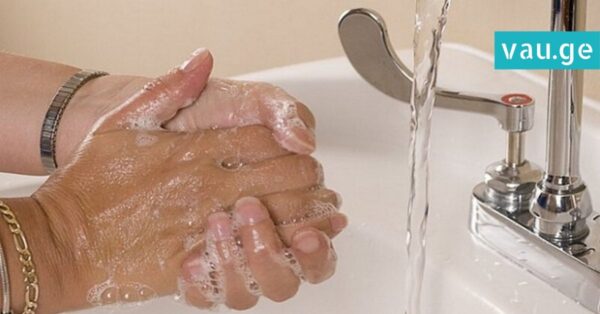
Moreover, triclosan does not appear to be as effective as the marketing claims suggest. Many studies have found that regular soap and water are just as effective at removing bacteria from hands as antibacterial soaps containing triclosan. Proper handwashing technique, including scrubbing for at least 20 seconds, is sufficient to prevent the spread of most common pathogens, including bacteria and viruses. This means that the potential risks of triclosan are unnecessary for daily hygiene when safer alternatives are available.
Parents, in particular, should take note. Children are especially vulnerable to chemicals that can disrupt cellular function and hormonal balance. Daily use of antibacterial soaps containing triclosan could potentially affect their liver development, immune function, and long-term health. It is crucial for families to consider safer alternatives, such as regular soap, alcohol-based hand sanitizers, or natural cleansing agents, which do not carry the same risks.
In addition to liver toxicity, triclosan has been linked to antibiotic resistance. Over time, bacteria exposed to triclosan may develop resistance not only to the chemical itself but also to other antibiotics, reducing the effectiveness of critical medical treatments. This is another reason why the widespread use of antibacterial soaps should be questioned.
So, what should you do to protect yourself and your family?
Check labels carefully – Avoid personal care products that contain triclosan or triclocarban. These ingredients are commonly found in antibacterial soaps, hand sanitizers, and even some toothpastes.
Use regular soap and water – For everyday hygiene, proper handwashing with regular soap is highly effective at removing germs.
Limit exposure – If you must use products with antibacterial agents, do so sparingly and follow safety guidelines. Avoid direct contact with the eyes, mouth, or broken skin.
Educate others – Share information with friends, family, and colleagues about the potential risks associated with triclosan. Awareness is the first step in preventing harm.
Consider natural alternatives – Ingredients such as tea tree oil, olive oil-based soaps, or other plant-based cleansers can provide antibacterial benefits without the health risks associated with synthetic chemicals.
The bottom line is that millions of people may be exposing themselves to unnecessary health risks every day without realizing it. Triclosan is not a harmless ingredient—it has the potential to disrupt liver function, promote mutations in cells, and increase the risk of serious diseases, including cancer.
Scientific research continues to highlight the dangers of this chemical, and regulatory agencies are taking steps to limit its use. However, it is ultimately up to individuals to make informed choices about their personal care products. By switching to safer alternatives and being aware of the potential hazards, you can protect your liver, support overall health, and avoid preventable risks.
Think carefully about your health and the products you use every day. Choosing safer, natural alternatives is not only better for your body, but it also reduces exposure to harmful chemicals that may have long-term consequences. Remember: just because a product is labeled “antibacterial” does not mean it is safe. In fact, it may be silently causing damage over time.
Millions of people are unknowingly using antibacterial soap daily, assuming it protects them, when in reality, it may be putting their liver and overall health at risk. Awareness is crucial. Take control of your health today—read labels, choose safer options, and protect yourself and your family from potentially harmful chemicals like triclosan.








































