















According to the Australian Broadcasting Corporation (ABC), a teenager from Tasmania lost 75% of his vision while playing with a laser. The incident highlights the extreme danger that seemingly harmless laser devices can pose, especially when used incorrectly. During the event, the teenager directed a laser beam into his own eyes, causing severe damage to his vision.
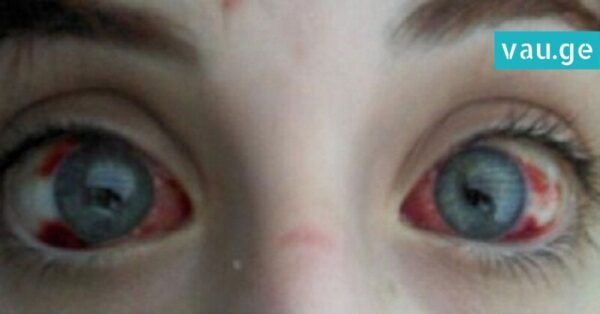
The boy was immediately taken to a doctor, Ben Armitage, who spoke with ABC about the case. Armitage explained that the 14-year-old adolescent arrived for a consultation on a Friday. Upon examination, it was found that the child had suffered a retinal burn, a serious eye injury caused by intense light exposure directly to the retina. Retinal burns can be devastating because the retina is responsible for capturing light and sending visual information to the brain. Damage to this area can lead to permanent vision loss, which, in this case, affected most of the boy’s eyesight.
Although the teenager did not initially feel any pain, the effects on his vision were immediate. Dr. Armitage stressed that the most concerning aspect of this injury is that corrective lenses or glasses cannot restore his lost vision. “Imagine that you have damaged the film in an old camera,” the doctor explained. “No matter how good the lens is, you will not be able to take high-quality photos again. That is exactly what happens when the retina is injured by a laser.”
Laser devices, especially handheld laser pointers, are extremely powerful and dangerous tools when not used responsibly. Many parents may assume that such devices are safe toys for children, but this incident proves otherwise. Even lasers with lower power outputs, which may appear harmless, can cause irreversible damage to the eyes in just a fraction of a second.
The incident raises serious concerns about the awareness and supervision of children when it comes to laser devices. Parents are often unaware that lasers can penetrate the eye and damage sensitive retinal tissue almost instantly. Unlike other accidents, where symptoms such as bleeding or bruising alert caregivers, laser injuries to the eyes can occur without immediate pain, making them even more dangerous. The teenager in Tasmania did not feel pain at the moment of the injury, which demonstrates how easily such accidents can happen even under casual circumstances.
Dr. Armitage emphasized the importance of understanding that lasers are not toys and should never be given to children without proper supervision. The incident in Tasmania serves as a cautionary tale for all families. He urges parents to educate their children about the risks associated with lasers, especially the long-term consequences of eye injuries.
Even a momentary exposure to a laser beam can lead to permanent vision impairment, as in this case. The teenager lost 75% of his vision, which will have a lasting impact on his daily life, school performance, and overall quality of life. Activities that require sharp vision, such as reading, sports, and using electronic devices, will now be significantly more challenging for him.
The incident also underlines the importance of strict safety regulations regarding the sale and use of laser devices. In many countries, lasers of high power can be legally sold to the public, even though they pose a high risk if misused. Experts recommend that any laser device capable of causing retinal damage should be kept out of the hands of children and only used by adults with proper protective equipment.
Eye injuries caused by lasers are not uncommon. Globally, ophthalmologists have reported numerous cases where children and teenagers have suffered permanent vision loss due to careless handling of laser pointers. Even brief exposure to a high-powered laser can burn the retina, creating a blind spot or permanent damage in central vision. This is why awareness and education are critical. Parents and guardians must actively teach children about the dangers of these devices.
The story of the Tasmanian teenager also demonstrates how quick action and medical consultation are vital. Although immediate medical attention cannot always restore lost vision, it is essential for minimizing further damage and ensuring the child receives appropriate support and therapy. Early consultation with an eye specialist can help detect the full extent of the injury, prevent additional complications, and provide guidance for adapting to permanent vision loss.
Additionally, this case highlights the psychological and emotional impact of sudden vision loss in teenagers. Losing a significant portion of sight at a young age can be distressing, affecting self-confidence, independence, and emotional well-being. Families must not only focus on physical treatment but also provide emotional support and rehabilitation strategies to help the child cope with the changes in vision.
The Tasmanian incident is a clear reminder that laser devices, while often marketed as fun gadgets, are highly dangerous tools. It is crucial to understand that lasers can produce concentrated beams of light that are far more intense than ordinary sunlight. When directed at the eyes, even for a brief moment, they can cause irreversible retinal burns, vision loss, and in severe cases, permanent blindness.
Parents are urged to monitor their children carefully and store lasers safely, ensuring they are never left within easy reach. Supervision is especially important for teenagers, who may underestimate the risks or experiment with laser devices out of curiosity. Educating children about the risks and potential consequences of laser exposure can prevent accidents before they occur.
In conclusion, the case of the Tasmanian teenager demonstrates the real and immediate danger posed by lasers. Losing 75% of vision is a life-altering event, and it underscores the importance of parental vigilance, proper education, and safety measures. Lasers are not toys; they are potent tools that require respect and caution. Parents and guardians must take every precaution to prevent similar accidents in their homes.
Remember: even a few seconds of exposure can permanently damage a child’s eyesight. Always supervise the use of lasers, educate your family on the risks, and treat these devices with the seriousness they deserve. What happened in Tasmania could happen anywhere, making awareness and prevention absolutely essential for every household.