












Depression and neurosis are conditions that many people experience at different stages of life. We often hear about so-called “spring depression,” a state that is commonly associated with prolonged fatigue, emotional exhaustion, hormonal changes, and a lack of essential vitamins after the long winter months. This condition tends to affect people with a more sensitive or unstable nervous system more strongly. I consider myself one of those people, which is why, every spring, I turn to traditional herbal infusions. In most cases, these remedies help significantly and restore my emotional balance.
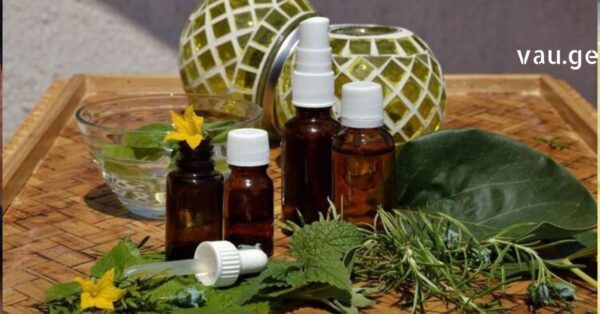
Springtime depression is not always dramatic or immediately obvious. Sometimes it manifests as constant tiredness, lack of motivation, irritability, sadness without a clear reason, sleep disturbances, or a feeling of heaviness that makes even the simplest daily tasks feel overwhelming. In more severe cases, people may find it difficult to get out of bed, communicate with others, or enjoy activities that once brought them happiness. Stress accumulated over months or years can intensify these symptoms and gradually lead to a state of emotional burnout.
Traditional medicine has long relied on medicinal plants to support the nervous system, calm the mind, and improve emotional well-being. While these remedies are not a substitute for professional medical care, many people use them as supportive measures, especially during periods of seasonal emotional instability.
Herbal Infusion for Stress, Depression, and Nervous Tension
To prepare this calming herbal infusion, I take equal amounts of the following plants:
Mint leaves
Motherwort stems
Hawthorn flowers
Calendula flowers
Cornflower blossoms
I mix these herbs thoroughly. Then, I take 1 tablespoon of the mixture and pour 1 cup of boiling water over it. I let the infusion steep for about 30 minutes, covered. After straining, I drink ½ cup 2–3 times a day before meals.
I usually begin taking this infusion at the end of winter, regardless of my emotional state at that moment. The goal is prevention as much as treatment. Over time, this practice helps stabilize mood, reduce anxiety, and prepare the nervous system for seasonal changes.
Hawthorn Infusion for Emotional Balance
Hawthorn is widely known in folk medicine for its calming effects on both the heart and nervous system.
Recipe 1:
Take 1 tablespoon of crushed hawthorn berries
Pour 1 teacup of boiling water over them
Cover, wrap, and let it steep for 2 hours
Strain the liquid
Take 1–2 tablespoons, 3 times a day before meals.
This infusion is especially useful for people who experience emotional tension accompanied by heart palpitations, restlessness, or anxiety.
Second Hawthorn-Based Calming Remedy
Another effective sedative remedy can be prepared using both hawthorn flowers and berries.
Mix red hawthorn flowers and fruits together
Take 2 tablespoons of the mixture
Pour 3 teacups of boiling water over it
Let it steep in a thermos for 2 hours
Drink ½ cup, 3 times a day, 30 minutes before meals.
This remedy is often recommended for people dealing with chronic stress, nervous exhaustion, and emotional instability.
Soothing Herbal Blend for the Nervous System
Here is another traditional recipe for a calming herbal infusion. Finely crush and mix the following ingredients:
30 g hawthorn berries and the same amount of hawthorn flowers
30 g St. John’s wort
30 g yarrow
20 g valerian root
Preparation:
Take 1 tablespoon of the mixture
Pour 1 cup of boiling water over it
Let it steep for 5–6 hours
Strain the infusion
Drink ¼ cup, 4 times a day, 30 minutes before meals.
It is important to note that this infusion should not be taken continuously. Prolonged use may negatively affect the nervous system. For this reason, it is recommended to take breaks of several weeks between courses. This remedy is also known to help regulate sleep and improve sleep quality.
Walnut Tincture for Nervous Exhaustion
Another powerful traditional remedy is a walnut-based tincture, often used to strengthen the nervous system and restore vitality.
Ingredients and Preparation:
Take 1 kg of walnuts, shell them, and pour boiling water over the kernels.
After 5 minutes, strain the water and grind the walnuts using a meat grinder.
Place the ground walnuts into a 3-liter glass jar.
Add 1 kg of powdered sugar.
Pour in 1 liter of vodka and let it stand for 3 days, stirring frequently.
After three days:
Pour the liquid into another container.
Add another 1 liter of vodka to the walnuts and let it stand for another 3 days.
Repeat this process a third time. Afterward, combine all three tinctures into one. The quantities of ingredients may be reduced, as long as the proportions remain the same.
Store the finished tincture in a glass container in the refrigerator.
How to use:
Drink 1 tablespoon, 3 times a day before meals. Be sure to shake the container well before each use.
Important Notes and Final Thoughts
These traditional remedies have been used for generations to support emotional health, calm the nervous system, and improve overall well-being. Many people report noticeable improvements in mood, energy levels, and sleep quality after consistent and mindful use.
However, it is essential to understand that depression and chronic stress are complex conditions. While herbal remedies can be supportive, they should not replace professional medical advice, especially in severe or long-lasting cases. If symptoms persist, worsen, or interfere significantly with daily life, consulting a healthcare professional or mental health specialist is strongly recommended.
That said, when used responsibly, traditional herbal infusions and tinctures can serve as gentle allies in restoring balance, strengthening resilience, and helping individuals regain control over their emotional and mental health—just as they did for the woman whose life changed so noticeably after finding relief from stress and depression.