











In this article, we will introduce you to harmful habits that can destroy your eyesight. One of the greatest gifts God has given to blessed humans is the eyes – they allow us to experience the beauty of this colorful world, admire stunning creatures, and enjoy the wonders of nature.
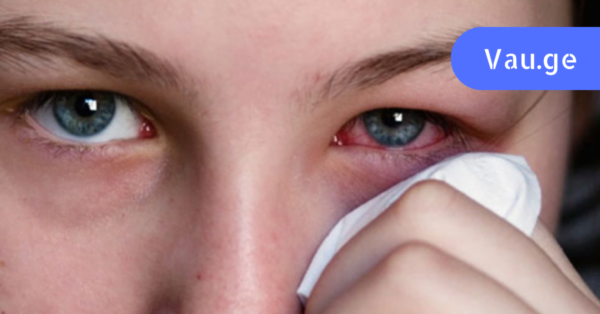
The eyes are arguably the most important organs of the human body, yet knowingly or unknowingly, we often harm this precious gift. Modern lifestyles, bad habits, and neglect can gradually damage eyesight and lead to serious problems. Today, we will discuss 10 harmful habits that damage eyesight and require either modification or complete cessation to maintain eye health.
1. Smoking Damages Eyesight
Smoking is not only harmful to the lungs and cardiovascular system but also severely impacts vision. Research shows that smoking doubles the risk of vision loss after the age of 50. It contributes to damage of the retina, which is the light-sensitive layer at the back of the eye. When retinal health begins to deteriorate, eyesight worsens, potentially leading to age-related macular degeneration or even blindness in severe cases. In addition, smoking reduces the levels of antioxidants in the eyes, making them more vulnerable to oxidative stress.
2. Incorrect Eye Rubbing and Touching
Many people are unaware of the damage caused by simply rubbing or pressing their eyes. Excessive rubbing can damage the cornea, the clear front surface of the eye, and may even rupture delicate blood vessels surrounding the eyes. Dirty hands also introduce bacteria and viruses to the eyes, increasing the risk of infections like conjunctivitis. It’s essential to handle the eyes gently and avoid touching or rubbing them unnecessarily.
3. Prolonged Screen Time
Spending too much time staring at computer screens, smartphones, or tablets can lead to Computer Vision Syndrome (CVS). CVS is a condition characterized by dry eyes, blurred vision, headaches, and eye strain. People who work with computers or devices for extended periods are especially vulnerable. Social media and entertainment have also contributed to excessive screen exposure, often exceeding two hours at a stretch, which dries out the eyes and fatigues the vision muscles. To prevent CVS, it’s recommended to take regular breaks from screens, look away periodically, and allow the eyes to relax and recover. The 20-20-20 rule is a good guideline: every 20 minutes, look at something 20 feet away for at least 20 seconds.
4. Excessive Alcohol Consumption
Alcohol negatively affects nearly every part of the body, including vision. Excessive drinking can lead to nutrient deficiencies, which are essential for eye health, and may accelerate vision deterioration. Alcohol can damage the optic nerve, disrupt tear production, and contribute to conditions like cataracts over time. Limiting alcohol consumption is crucial for maintaining long-term eye health.
5. Poor Diet
A poor diet can seriously affect vision. Good eyesight depends on proper nutrition and the intake of essential vitamins and minerals. Vitamin E, vitamin C, and omega-3 fatty acids are especially important for healthy eyes. A diet high in sodium leads to dehydration, which in turn can cause dry eyes and eye strain. Regular consumption of fresh fruits, vegetables, nuts, and fatty fish helps maintain eye health. Routine check-ups with an eye specialist are also important to detect early problems and ensure optimal vision.
6. Excessive Use of Makeup
Heavy makeup, particularly around the eyes, can harm vision if not used carefully. Eyes are extremely sensitive, and improper application or leaving makeup on overnight can lead to irritation, infections, and inflammation. Mascara, eyeliner, and eyeshadow can accumulate bacteria and debris, which may block tear ducts and cause styes or conjunctivitis. Minimizing eye makeup use, removing it thoroughly before sleeping, and using hypoallergenic products can significantly reduce the risk of damage.
7. Not Wearing Protective Eyewear
If you need corrective lenses or sunglasses, it is crucial to wear them consistently. Sunglasses protect your eyes from harmful ultraviolet (UV) rays, which can damage the cornea, lens, and retina. Prolonged sun exposure without protection may lead to cataracts, macular degeneration, and other vision problems. Prescription glasses or lenses also correct refractive errors and reduce eye strain. Protecting the eyes from environmental stressors is as important as proper nutrition and hygiene.
8. Misuse of Eye Drops
While eye drops are commonly used to relieve dryness or irritation, overuse can irritate the eyes and worsen symptoms. Some drops contain vasoconstrictors that may cause rebound redness or dependency if used too frequently. Using eye drops only as directed and consulting an eye specialist for persistent problems ensures safe and effective relief.
9. Watching TV or Screens Before Bed
Watching television or any type of screen in bed is harmful to eye health. Rapid changes in screen images force the eyes to work harder, leading to eye strain, headaches, and fatigue. Exposure to blue light from screens can also disrupt melatonin production, which affects sleep quality. Poor sleep, in turn, reduces the eyes’ ability to repair themselves overnight, leading to chronic dryness, irritation, and long-term vision problems. Limiting screen use before bed is essential for eye recovery and overall health.
10. Ignoring Regular Eye Exams
Many people neglect regular eye check-ups, which are crucial for detecting early signs of vision problems. Even if your eyesight seems fine, underlying conditions like glaucoma, cataracts, or macular degeneration may develop silently. Regular visits to an eye specialist allow for timely intervention, prevention of progressive vision loss, and maintenance of eye health over time.
Additional Tips to Protect Your Eyes
Blink regularly to maintain moisture in the eyes, especially when using screens.
Adjust lighting when reading or working to avoid strain.
Stay hydrated to prevent dry eyes.
Eat foods rich in lutein and zeaxanthin, such as spinach, kale, and eggs, which protect the retina.
Practice eye exercises and give your eyes regular breaks from close-up work.
Wear protective eyewear during sports, construction, or hazardous activities.
By being mindful of these habits and making small, consistent changes, you can protect your eyesight, reduce the risk of serious eye conditions, and maintain clear vision well into old age. Eyes are a priceless gift – treating them with care ensures you can enjoy the vibrant colors of life, admire nature’s beauty, and experience the world fully.